

 Water damage drying
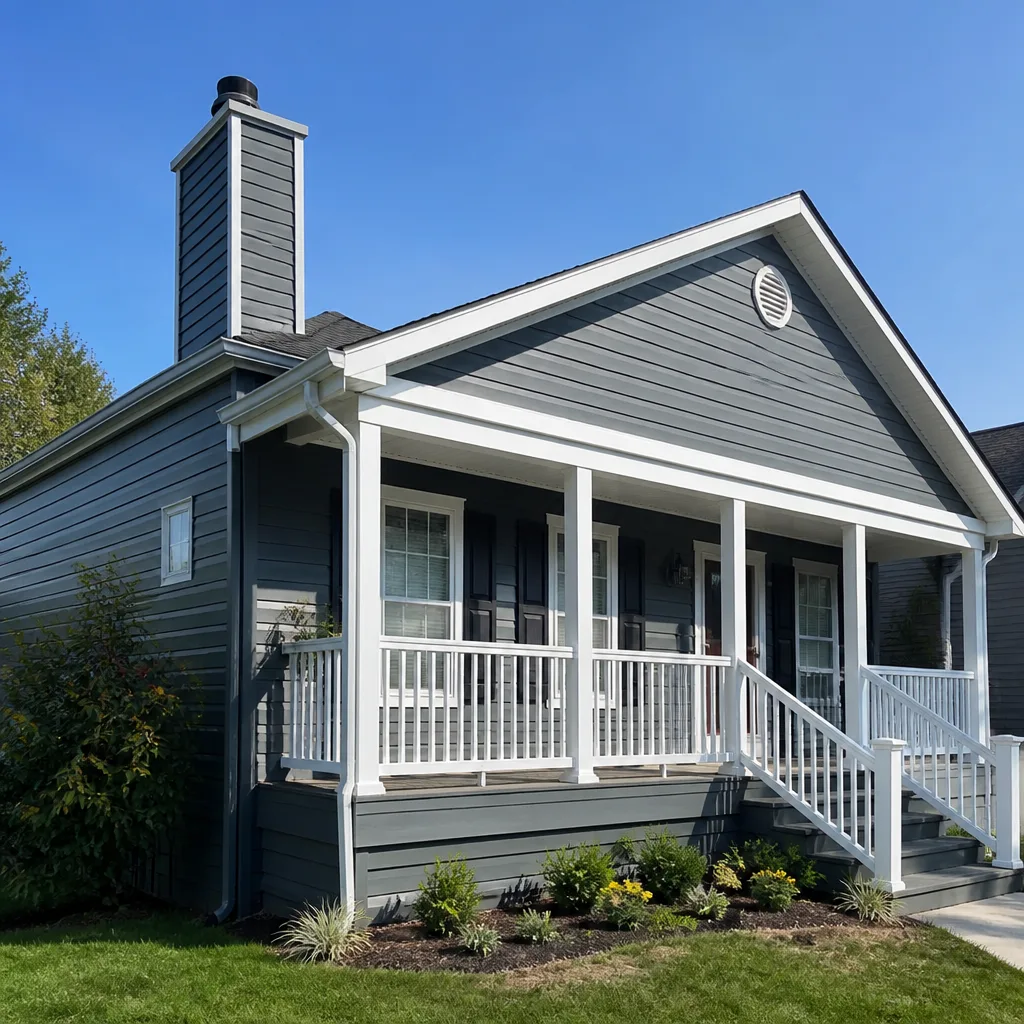 Fire & smoke cleanup
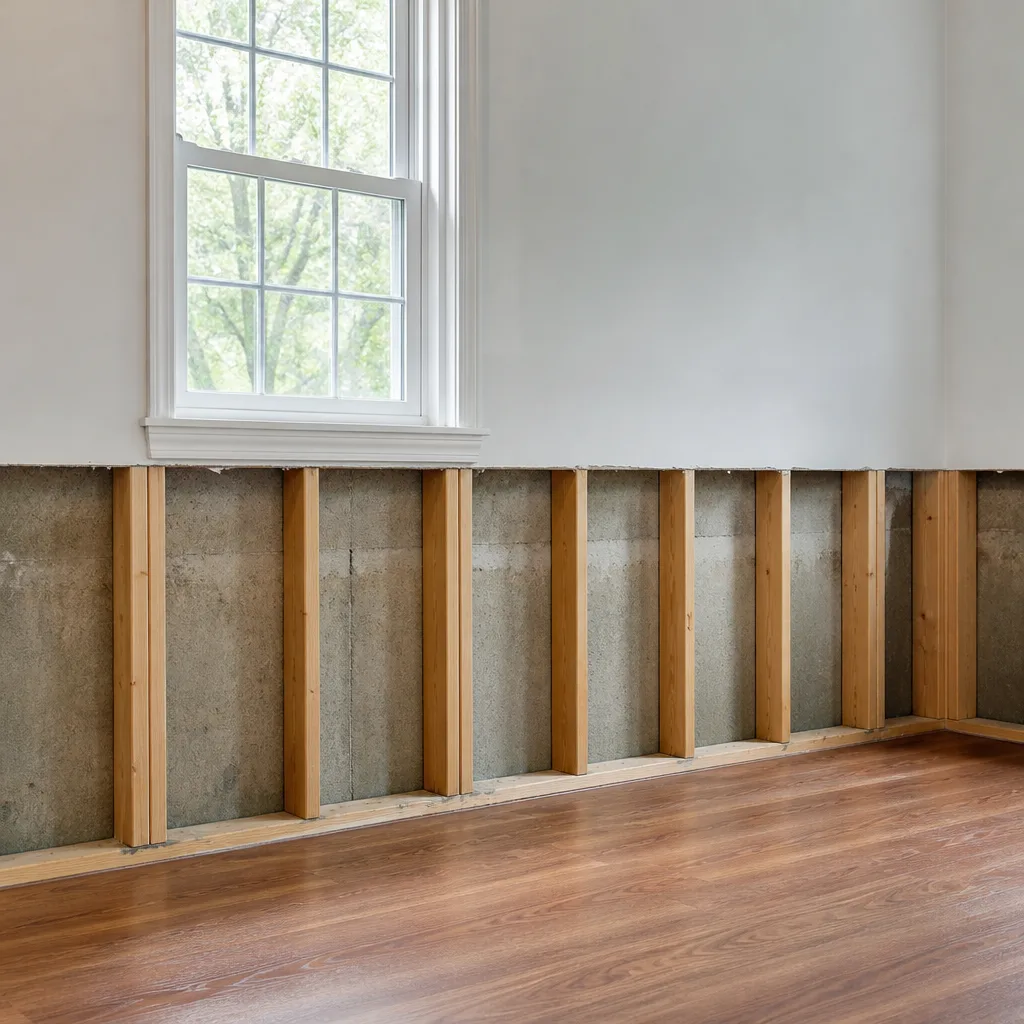 Mold remediation
 Storm response
 Sewage cleanup
 Reconstruction
Free visual inspection and a written scope of work before any mitigation begins - photos, moisture readings, and drying logs go in your claim file
The scope we write is the scope we bill. Anything new gets shown to you, in writing, before we touch it.
Get your free estimateStorm Damage Restoration in Fillmore: What It Costs and Who Shows Up
Storm damage restoration in Fillmore typically runs between $2,800 and $9,400 for a full-scope residential job, depending on whether you’re dealing with a flooded crawlspace, wind-driven rain intrusion, or post-fire debris flow. Most emergency extractions and initial mitigation on a single room start around $1,200 to $2,600, while whole-home drying after a flash flood along the Santa Clara River floodplain can reach $12,000 or more when structural components like sill plates need replacement. A live person answers our phones 24/7 at (559) 242-4307, and every Fillmore job gets a written price before any work begins.
Fillmore isn’t a generic suburb. It’s a river town with a specific set of problems: older wood-frame homes on raised foundations, neighborhoods in the historic floodplain, and a fire season that loosens the hillsides before winter rains send mud and silt downhill. That combination shapes how we approach storm damage here, and it’s why our technicians know the Avenue streets, the older downtown core, and the newer stucco developments on the east side as distinct work zones, each with its own failure patterns. This page exists to give you the Fillmore-specific numbers and answers you won’t find on a national franchise’s template. For a broader look at the service itself, see our Storm Damage Restoration hub.
Fast, Reliable Storm Damage Restoration Across Fillmore
When a storm hits Fillmore, the damage doesn’t wait, and neither do we. Our crews are dispatched from the Los Angeles coordination office directly to Fillmore neighborhoods, with a live person on the phone around the clock to take your call, not a voicemail system. We’ve worked in homes along Central Avenue, in the older blocks near Fillmore High School, and in the tract developments east of Heritage Valley Park, so we know how quickly water moves through the town’s older wood-framed houses and where it hides afterward. Local knowledge matters here: a crew that doesn’t know Fillmore’s floodplain boundaries might set drying equipment in the wrong place or miss silt intrusion in a raised foundation. Ours doesn’t. Call (559) 242-4307 the moment you see water where it shouldn’t be.
Fillmore’s geography makes storm response time critical. The town sits along the Santa Clara River with the Sespe Wilderness rising to the north, which means heavy rain doesn’t just fall, it runs down. Flash flooding from the foothills can hit low-lying neighborhoods fast, and every hour of delay means more water wicking up through drywall, into subfloors, and deep into the crawlspaces that sit under so many of Fillmore’s early-to-mid century homes. We treat storm calls in Fillmore as true emergencies, because the structure of the house is already working against you when the water is moving that fast.
Restoration work we handle
Why Marsh Water Damage Ventura Is Fillmore’s Preferred Storm Damage Restoration Company
We’ve been restoring storm-damaged homes since 2005, and Fillmore’s housing stock is one we know intimately. The town’s older wood-frame homes, many built between the 1910s and 1950s with raised foundations and original Douglas fir framing, behave differently under water than the stucco tract homes east of downtown. That experience shows in the work: we know where the water pools in a 1930s Avenue street house, how silt moves through a crawlspace after a flash flood, and what it takes to dry original heart-pine flooring without cupping it. Our reputation in Fillmore is built on that specificity, not on slogans.
Every technician we send to a Fillmore home is background-checked and identity-verified under our Threshold Verified protocol. Before the crew arrives, you get the name and photo of each technician coming to your door. When they knock, they show a photo ID badge. Always. That matters if you’re home alone during a storm, if you’ve got young children in the house, or if you just don’t want strangers walking through your home after a disaster. We’re the Storm Damage Restoration in Fillmore company that proves who’s coming before they arrive.
Our team holds IICRC, RIA, and IFA credentials, and we run Dri-Eaz, Phoenix, and XPOWER equipment on Fillmore jobs. The gear matters: commercial-grade air movers and dehumidifiers cut drying time by days compared to rental units, and when you’re racing mold that starts colonizing wet drywall within 24 to 48 hours, days are the difference between drying a wall and replacing it. Every job also carries our 365-Day Done Right Promise in writing: if the repair isn’t right within a full year, we make it right, with a free second visit included automatically.
Basement Flood Cleanup in Fillmore
Basement Flood Cleanup in Fillmore starts at $1,200 for a single-room extraction and drying setup, with most residential jobs running $2,200 to $4,800 depending on how much silt and debris came in with the water and whether the space is finished or raw. Fillmore’s basements are less common than its crawlspaces, but in the older homes that do have them, particularly along the central blocks north of Highway 126, they flood fast when storm drains back up or the water table rises after sustained rain. Our crews extract the standing water, remove contaminated silt and debris, set containment to keep mold from spreading, and dry the space with Phoenix or Dri-Eaz equipment until moisture readings come back dry.
Silt Removal and Category 3 Water
When a Fillmore basement floods after storm runoff from the Sespe foothills, the water often arrives black with silt and categorized as category 3, meaning it has picked up soil, debris, and potentially sewage. That’s not a mop-and-fan situation. We remove the contaminated water with truck-mounted or XPOWER extraction units, then physically remove silt that has settled into corners and wall cavities before drying begins. Skipping the silt removal is the most common mistake we see from general contractors; you end up with dry silt packed into a wall, which then feeds mold for months.
Raised Foundation and Sill Plate Drying
In a Fillmore basement or cellar, the lowest point of the structure is where water also collects against the sill plates, the horizontal timbers that sit on the foundation. After a flood, we map the moisture throughout the space and below it, because a wet sill plate inside a finished wall doesn’t reveal itself until the room starts smelling musty. If the sills are saturated, we address them before structural drying, which sometimes means removing and replacing them rather than trying to dry wood that has been stewing in floodwater for days.
Storm Damage Contractors in Fillmore
Storm Damage Contractors in Fillmore handle more than water. Wind-driven rain that strips shingles and floods an attic, a tree limb that punches through a roof during a winter storm, or a mudflow that pushes debris against an exterior wall all require a contractor who understands how Fillmore’s older homes fail under stress. Our storm damage restoration work in Fillmore typically runs $3,000 to $9,400 for a full-service response, including emergency board-up or tarping, water extraction, drying, and repairs to the building envelope. The scope gets agreed in writing before any work starts, so you know exactly what you’re paying for when the crew begins.
Roof Tarping and Board-Up Fillmore
After a storm opens a hole in a Fillmore roof, the first job is stopping the damage from spreading. We tarp damaged roof sections and board up broken windows the same day, so water from the next storm cell doesn’t pour through the opening while you’re still dealing with the first one. In the historic downtown core, where flat-roofed commercial buildings and older homes sit close together, that immediate protection is critical; a single open skylight or missing section of membrane can flood an entire second floor in one afternoon of rain.
Post-Storm Debris Flow and Exterior Flooding
Fillmore’s position against the Sespe Wilderness means storm damage here sometimes includes mud and debris flowing down from burn scars in the foothills. We remove the debris, pressure-wash exterior walls where mud has caked against the house, and then assess whether water penetrated the building envelope. Plywood sheathing behind stucco can stay wet for weeks after a mudflow, and in Fillmore’s older wood-frame homes, that hidden moisture rots framing and invites termites. We check for it, because most contractors don’t.
Trusted Brands We Service in Fillmore
We stock parts and run equipment that matches what major restoration franchises deploy, but we apply it to Fillmore’s specific building stock. Our drying fleet includes Dri-Eaz dehumidifiers and air movers, Phoenix axial fans, and XPOWER extraction units, the same gear used in large commercial losses, set up in Fillmore living rooms and crawlspaces. For a Fillmore homeowner with a 1940s raised foundation, that means we can dry the original framing and subfloor without tearing out floorboards unnecessarily. Our technicians, credentialed through IFA and the IICRC, know which unit goes where in a small Avenue street house with limited access, and we keep the common replacement parts on hand so restoration isn’t held up waiting for a shipment.
See the difference
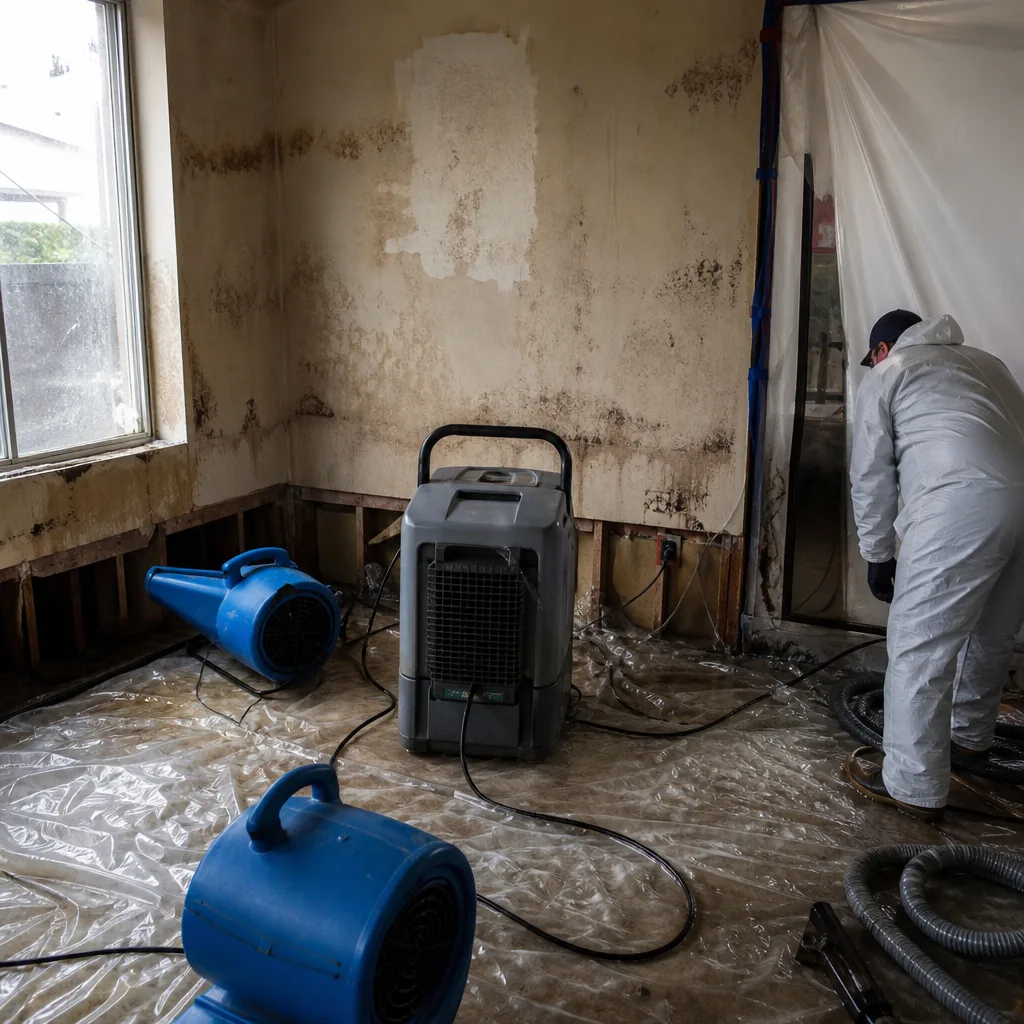 Before
 After
After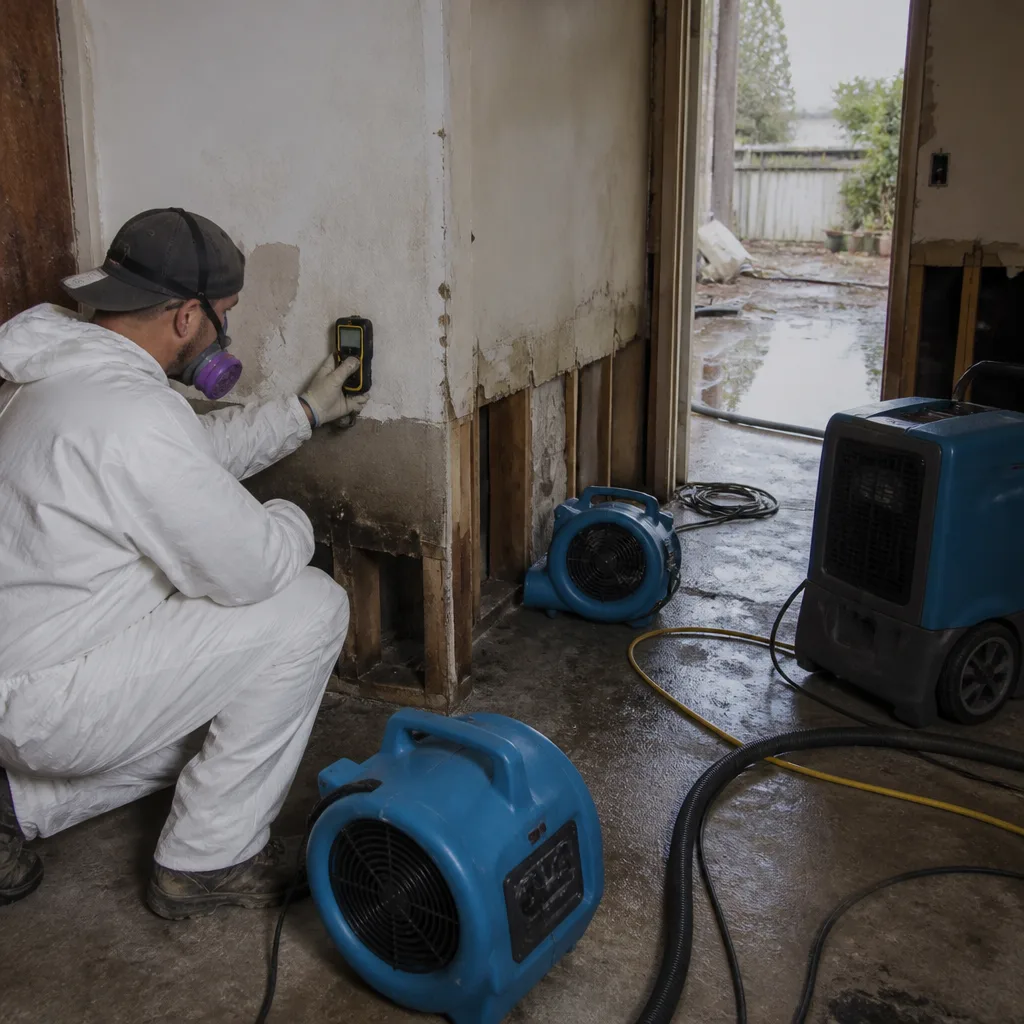 Before
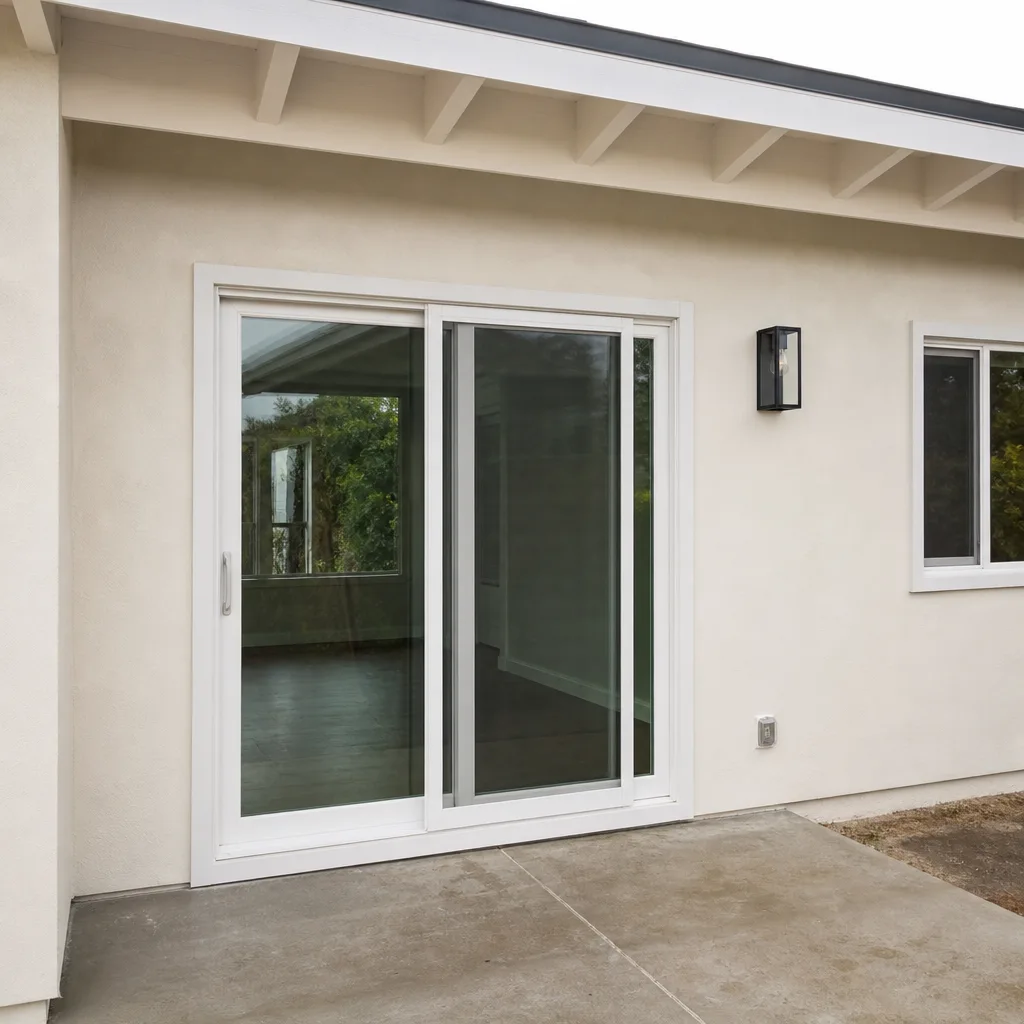 After
After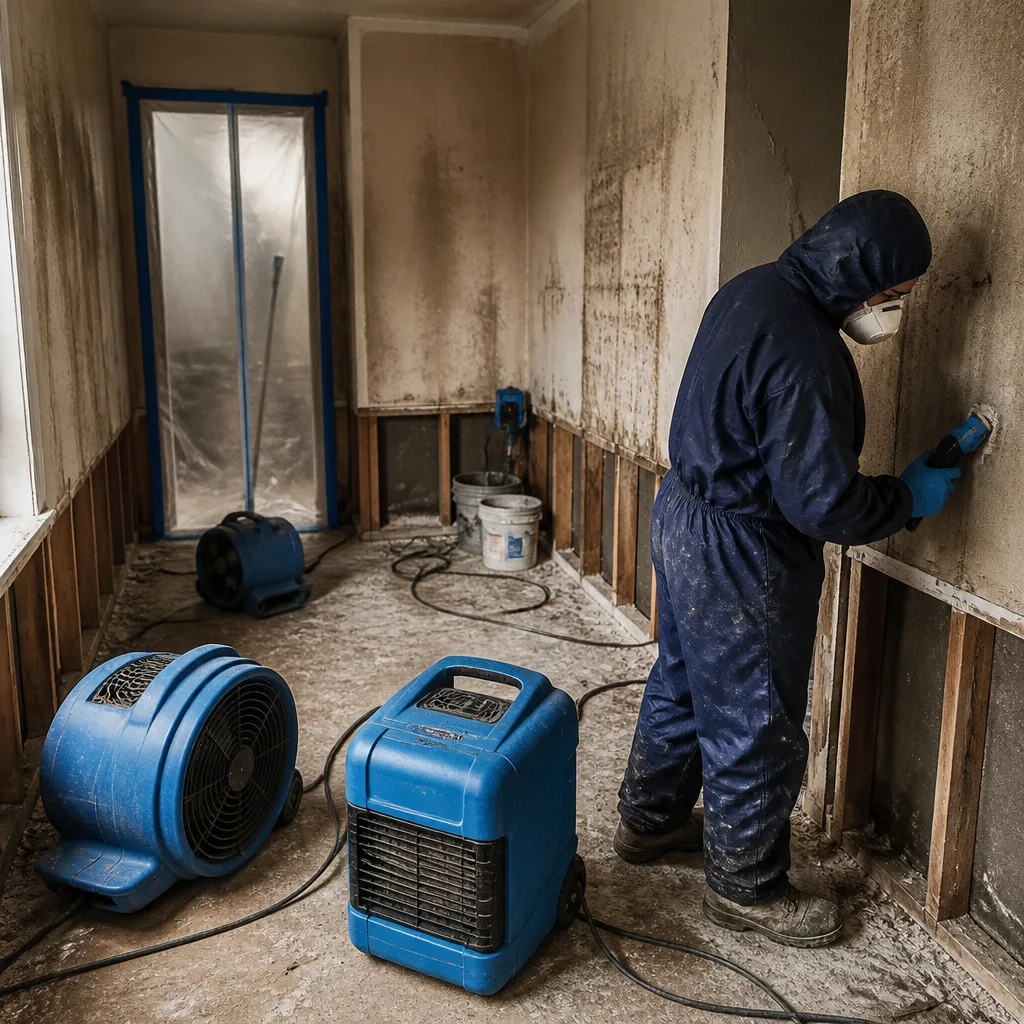 Before
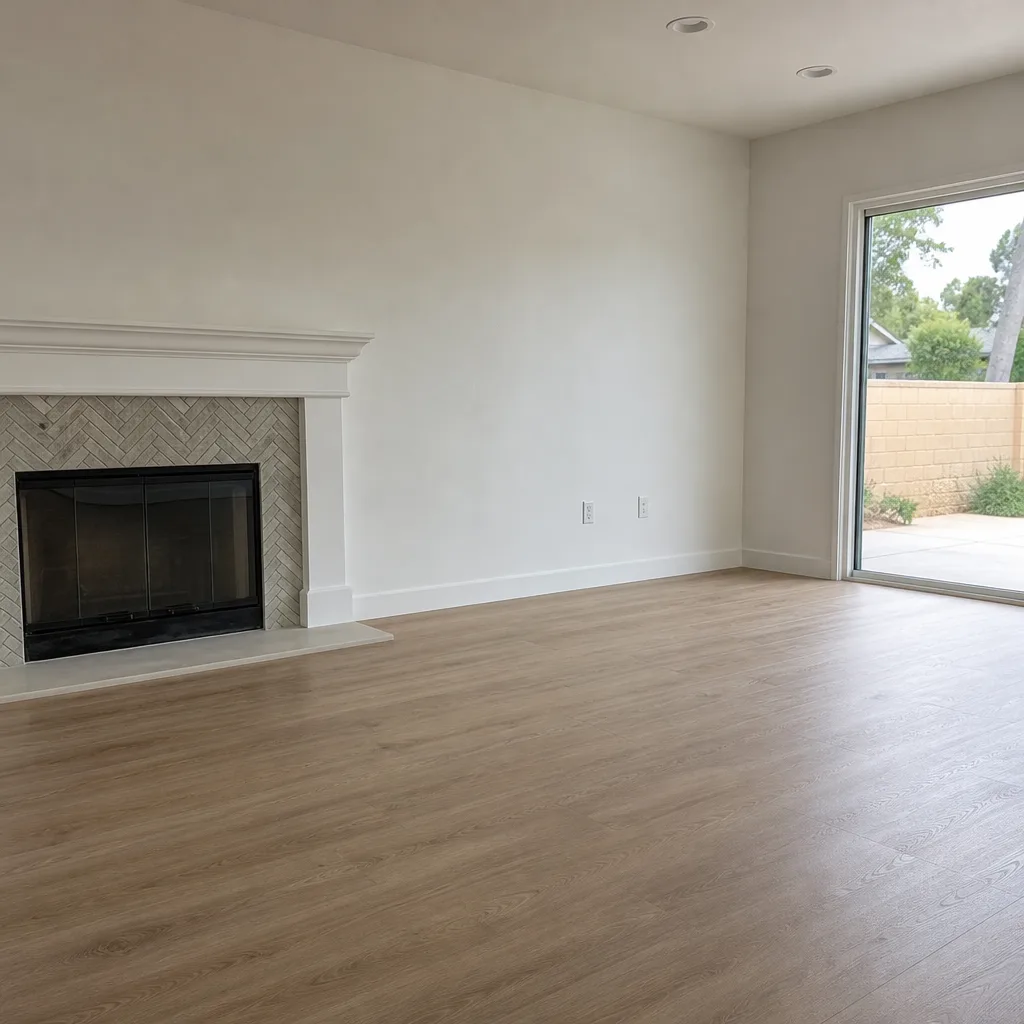 After
AfterCommon Storm Damage Restoration Problems We See in Fillmore Homes
- Crawlspace flooding along the Avenue streets: The older Fillmore homes north of downtown are built on raised foundations, and after every significant rainfall, silt-laden water runs into those low crawlspaces. We find saturated sill plates and standing water that homeowners often don’t discover for days, by which time mold has already started on the subfloor above.
- Mold on wet drywall in poorly ventilated older homes: Fillmore’s pre-1950s wood-framed houses often have minimal wall insulation and no vapor barriers, so once storm water gets into the wall cavity, it stays there. We routinely find mold growth on the back of drywall within 48 hours of a storm intrusion in these homes.
- Silt and debris in HVAC systems, especially downtown: The historic commercial buildings and older homes near Fillmore’s downtown core have flat roofs and aging plumbing, and when storm water runs through them, silt can enter floor and wall registers. That silt then recirculates through the house every time the system runs, leaving a fine grit on everything and compromising air quality until the ducts are cleaned or replaced.
- Flash flood damage in the Santa Clara River floodplain: Homes in the lowest-lying portions of Fillmore’s historic floodplain can take on water quickly when the river or local drainages overtop. In these cases, the water is always category 3, carrying soil, agricultural runoff, and debris, and requires full containment and disinfection, not just drying.
Pricing for Storm Damage Restoration in Fillmore, CA
Here’s what you can expect to pay for storm damage restoration in Fillmore, based on the work we’ve priced on real jobs in this town. A single-room extraction and drying after a roof leak runs $1,200 to $2,600. A full crawlspace flood cleanup underneath an Avenue street home, including silt removal and sill plate drying, runs $2,800 to $5,200. A whole-home response after a flash flood or major roof breach, with containment, drying, and structural repairs, runs $7,000 to $12,000 or more depending on square footage and the extent of replacement needed. What moves the number is the size of the affected area, the category of water involved, whether the original flooring or framing can be saved, and how long the water has been sitting. We give you a written price for the full scope before any work begins, and that price doesn’t balloon after demo starts. Call (559) 242-4307 for a free estimate on your Fillmore storm damage, and we’ll walk you through exactly what we’re seeing and what it will take.
We Also Serve Cities Near Fillmore
Our storm damage restoration crews serve Fillmore and the surrounding communities in the Santa Clara River Valley and eastern Ventura County. That includes Moorpark, Santa Paula, Somis, and Simi Valley. If you’re in a neighboring city and need storm response, we’ll apply the same written pricing and Threshold Verified technician protocol wherever the work takes us.
Serving Fillmore, CA - Our Local Coverage Area
We’re based in the Fillmore area and know this community well. Use the map below to see our service coverage - if you’re nearby, we can almost certainly help.
FAQs About Storm Damage Restoration in Fillmore
Older wood-frame homes in Fillmore, built mostly before 1960, sit on raised foundations with crawlspaces, and water enters those crawlspaces through every seam and vent during a storm, while the original plaster and lath walls wick moisture upward into the living space. The newer stucco tract homes on Fillmore’s east side are slab-on-grade with tighter building envelopes, so water damage there typically comes through the roof, windows, or a failed stucco detail, and it stays in the wall cavity rather than traveling through a crawlspace. In both cases, the fix is professional-grade drying and monitoring, but the older homes almost always require sill plate evaluation and crawlspace drying, which many storm damage contractors skip entirely. Call (559) 242-4307 and we’ll tell you which scenario you’re in after one look.
First, shut off power to any circuits running under the house, then call us at (559) 242-4307; do not enter a flooded crawlspace yourself, because the water is almost certainly category 3 fluid carrying silt, soil, and possibly sewage from the surrounding ground. We’ll extract the standing water, remove the silt, set up containment, and dry the space using Dri-Eaz or Phoenix equipment placed where the airflow actually reaches the wet framing, then take moisture readings until the wood is verified dry. Leaving a flooded Fillmore crawlspace alone means mold on the subfloor within days and rot in the sills within months.
Yes. After wildfires burn through the Sespe Wilderness and the surrounding foothills, the ground loses its ability to absorb rain, so winter storms send mud, ash, and debris flowing toward Fillmore with more force and volume than the same storm would produce in an unburned watershed. The water that reaches Fillmore homes in these events is heavily silted, carries burned organic material, and pushes into crawlspaces and foundations with enough force to saturate framing completely. That’s why our Fillmore responses after post-fire storms include debris removal and silt extraction as first steps, before drying can even begin.
In Fillmore’s older homes, which lack modern vapor barriers and have limited wall ventilation, mold can begin colonizing wet drywall and wood within 24 to 48 hours of a water intrusion, especially during the warmer months when interior temperatures are high. The window is shorter than in newer, tighter homes, which means the clock starts the moment the water enters. That’s why we send crews to Fillmore the same day you call, and why we set up drying equipment the day we arrive; every day of delay narrows your options from dry-and-restore to tear-out-and-replace.
Yes, the Avenue streets north of downtown Fillmore present a specific set of conditions: the homes are among the oldest in the city, built on raised foundations over low, flat ground that sits within the Santa Clara River’s historic floodplain, so the crawlspaces there flood more frequently and take longer to dry than those on higher ground. The original wood framing in these houses, often Douglas fir, is more prone to deep moisture retention and more vulnerable to rot once saturated, and the lots are tight, so access for equipment is cramped. We plan Avenue street jobs differently than east Fillmore jobs, because the structure dictates the pace.
Call Marsh Water Damage Ventura for Storm Damage Restoration in Fillmore
Fillmore’s storms are fast, and the water they bring finds every crack in an older house. We’ve been rebuilding and drying homes here since 2005, and we know what this town’s housing stock needs after a storm. A live person answers our phones around the clock, and when a crew comes to your Fillmore home, you’ll already know each technician’s name and face. We give you a written price before any work starts, we document everything for your insurer, and we stand behind the repair with our 365-Day Done Right Promise. Call (559) 242-4307 now for a free, no-obligation estimate on storm damage restoration in Fillmore.
Written by Tobias Reyner, Owner at Marsh Water Damage Ventura, serving Fillmore since 2005.