
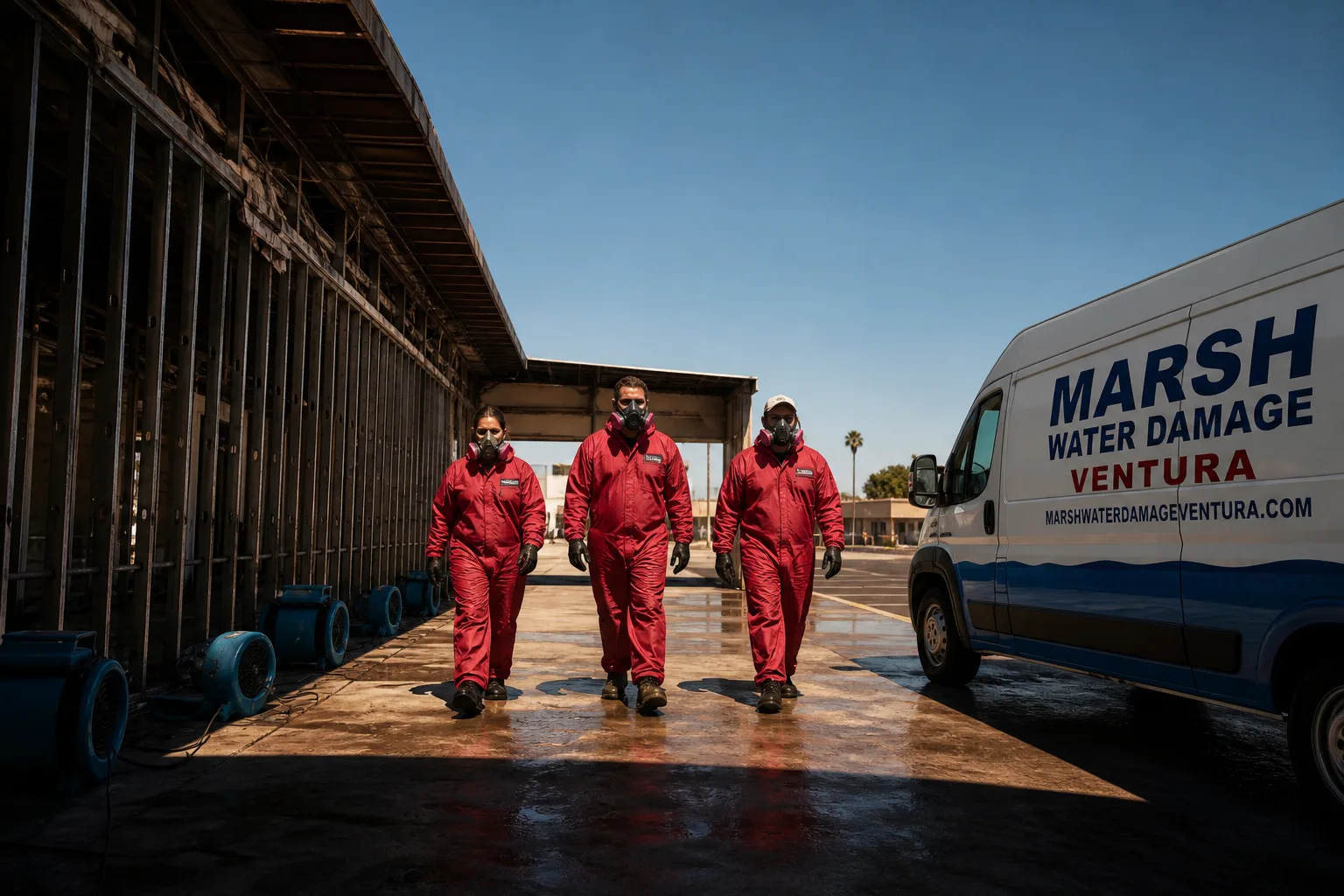
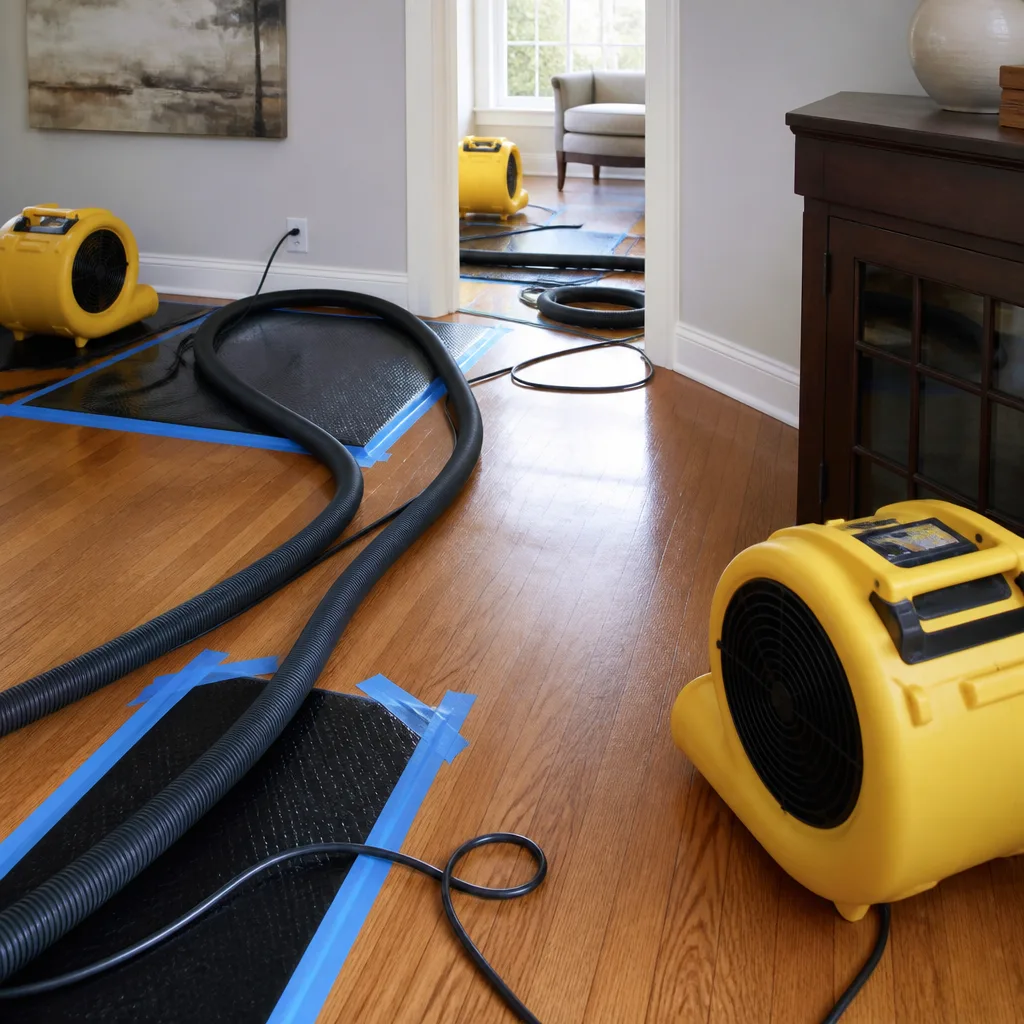
 Water damage drying
 Fire & smoke cleanup
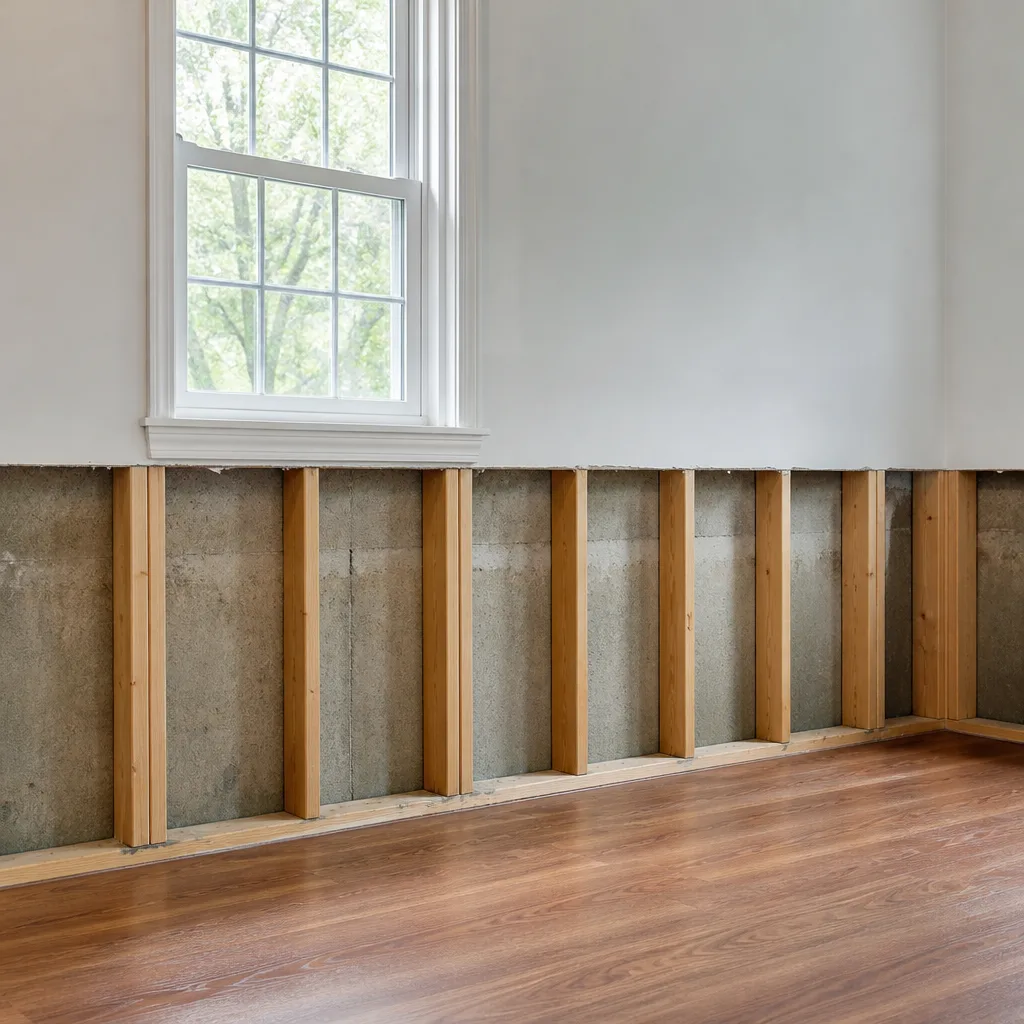 Mold remediation
 Storm response
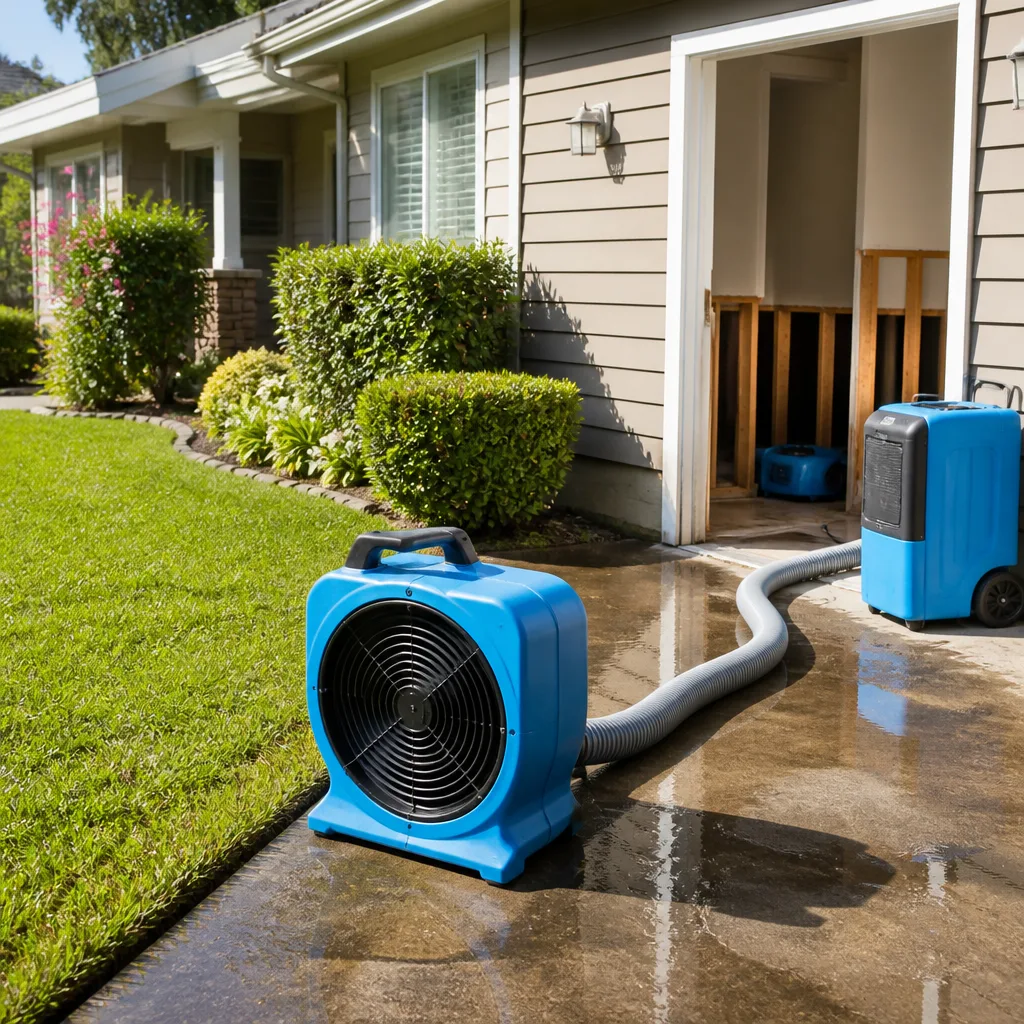 Sewage cleanup
 Reconstruction
Free visual inspection and a written scope of work before any mitigation begins - photos, moisture readings, and drying logs go in your claim file
The scope we write is the scope we bill. Anything new gets shown to you, in writing, before we touch it.
Get your free estimateFast, Reliable Water Damage Restoration Across Fillmore
Water damage in Fillmore moves fast, and so do we. Most residential water extractions in Fillmore run between $1,800 and $4,200 before drying equipment is set, and our crews typically reach homes in the Avenue district, downtown, or the newer east-side subdivisions within 60 to 90 minutes. We know the Santa Clara River floodplain, the older crawlspaces, and the way winter storms hit the Sespe foothills. If you’re standing in water right now, call (559) 242-4307 and a live person answers, day or night.
Why Marsh Water Damage Ventura Is Fillmore’s Preferred Water Damage Restoration Company
Fillmore homeowners call us because we show up fast and we tell you exactly who is coming. Every technician is background-checked, identity-verified, and sent to you by name and photo before the visit under the Threshold Verified standard. When the knock comes, the person at the door matches the photo and the ID badge. That matters in a town where neighbors know each other and nobody wants a stranger with a fan walking through the kitchen.
Our teams have worked on early-20th century wood-frame homes on Fillmore’s Avenues, stucco tract homes on the east side, and the flat-roof commercial buildings downtown. We know where water hides in a raised foundation, how silt from the Santa Clara River behaves in a crawlspace, and why surface drying alone fails in older plaster walls. Tobias Reyner leads our crews with the same standard applied to every job: a written price before work starts, a written guarantee on every repair, and the 365-Day Done Right Promise printed on the work order.
Restoration work we handle
Flood Damage Restoration in Fillmore
Flood Damage Restoration in Fillmore means more than pulling water out of a living room. Homes along the Santa Clara River’s historic floodplain, especially the older Avenue streets, take in silt, mud, and debris that a typical wet-dry vacuum won’t touch. Flash flooding from the Sespe foothills after intense winter storms pushes water into crawlspaces and low-lying yards, and that water carries fine sediment that traps moisture against floor joists for months if it isn’t extracted properly.
Crawlspace Silt Extraction and Structural Drying
In Fillmore’s floodplain homes, standing water is only half the problem. The silt left behind holds water like a sponge and keeps the subfloor wet long after the surface looks dry. We use truck-mounted extraction followed by Injectidry systems to pull moisture from tight crawlspace cavities, then map moisture levels with meters until the numbers confirm the structure is dry, not just dry to the touch.
Mud and Debris Removal from Flooded Interiors
When flash floods push mud into a home on Fillmore’s Avenue streets, the cleanup sequence matters. We remove contaminated solids first, then extract, then dry. Skipping the debris phase forces drying equipment to work through a layer of silt, which slows everything down and raises the risk of mold in a warm California attic or wall cavity. Most flood cleanup jobs in Fillmore run $3,000 to $7,000 depending on how far the water traveled and what it carried in.
Water Damage Cleanup in Fillmore
Water Damage Cleanup in Fillmore often starts with a burst pipe or a failed water heater in an older wood-frame home, and the first 48 hours decide whether you’re dealing with a cleaning or a rebuild. We arrive with commercial extractors to remove standing water, then set drying equipment sized to the room, not the puddle. A typical water damage cleanup in Fillmore runs $1,800 to $4,200 before drying equipment is set, with structural drying adding another $900 to $2,400 depending on square footage and how long the water sat.
Hidden Moisture in Wood-Frame Walls
Fillmore’s older homes hide water behind plaster and lath. Surface drying makes the wall feel dry while moisture sits trapped inside, feeding rot and mold that shows up weeks later. We take psychrometric readings (measuring the moisture in the air) and use penetrating meters to find what the eye can’t, then place air movers and dehumidifiers where the water actually is, not where it looks wet.
Category 1 and Category 2 Water Classification
Clean water from a burst supply line is Category 1. Leave it sitting in a Fillmore basement for 48 hours and it degrades to Category 2, meaning it now carries bacteria and needs antimicrobial treatment on top of extraction. That classification shift is why we dispatch fast and why our 24/7 live answer line isn’t a call center script. A real person takes the call, every time, including holidays.
Trusted Brands We Service in Fillmore
We stock and service equipment from Phoenix, XPOWER, and Injectidry, the same commercial drying tools used on large loss sites. For Fillmore customers, that means we’re not waiting on a parts shipment from Los Angeles when a dehumidifier fails mid-job. We carry common replacement filters, hoses, and sensor parts locally, and our techs arrive with backup units so drying never stops because a single machine went down. Financing isn’t our game; written pricing and working equipment are.
See the difference
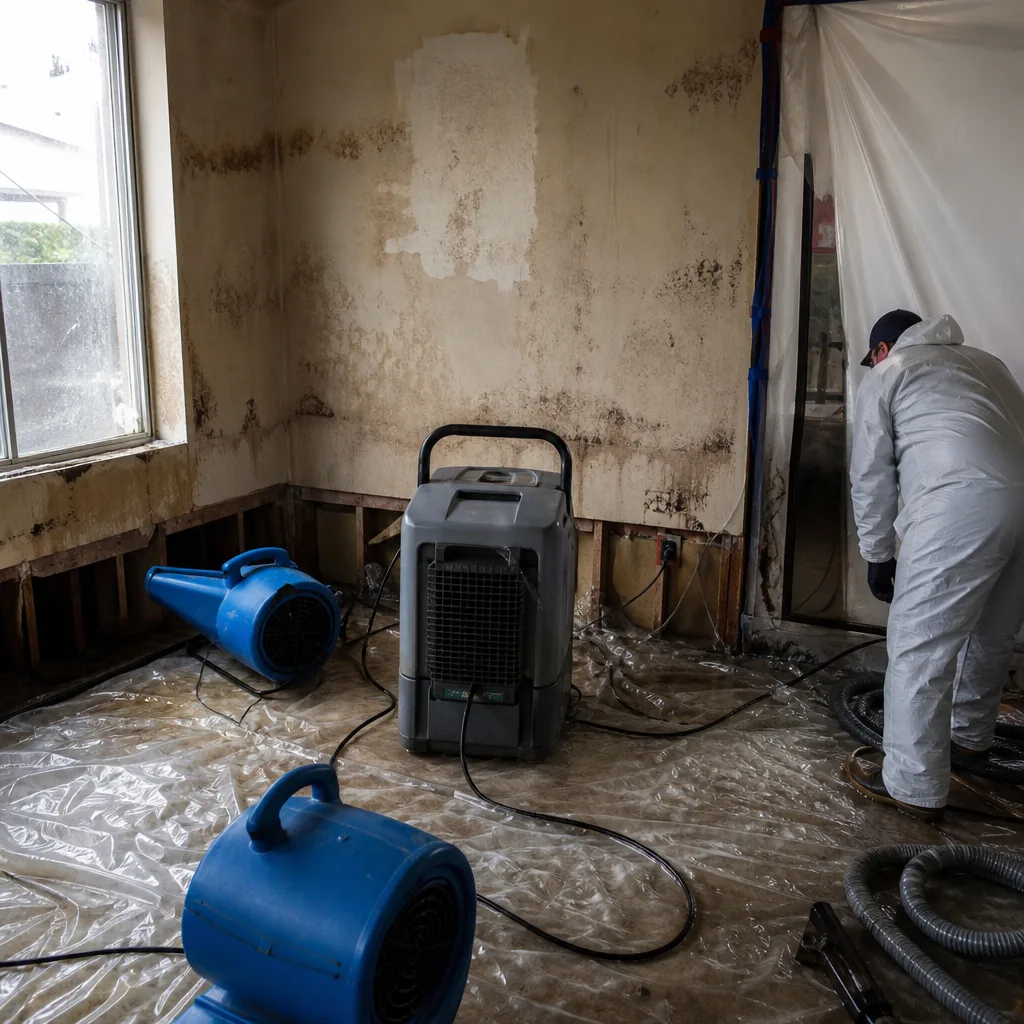 Before
 After
After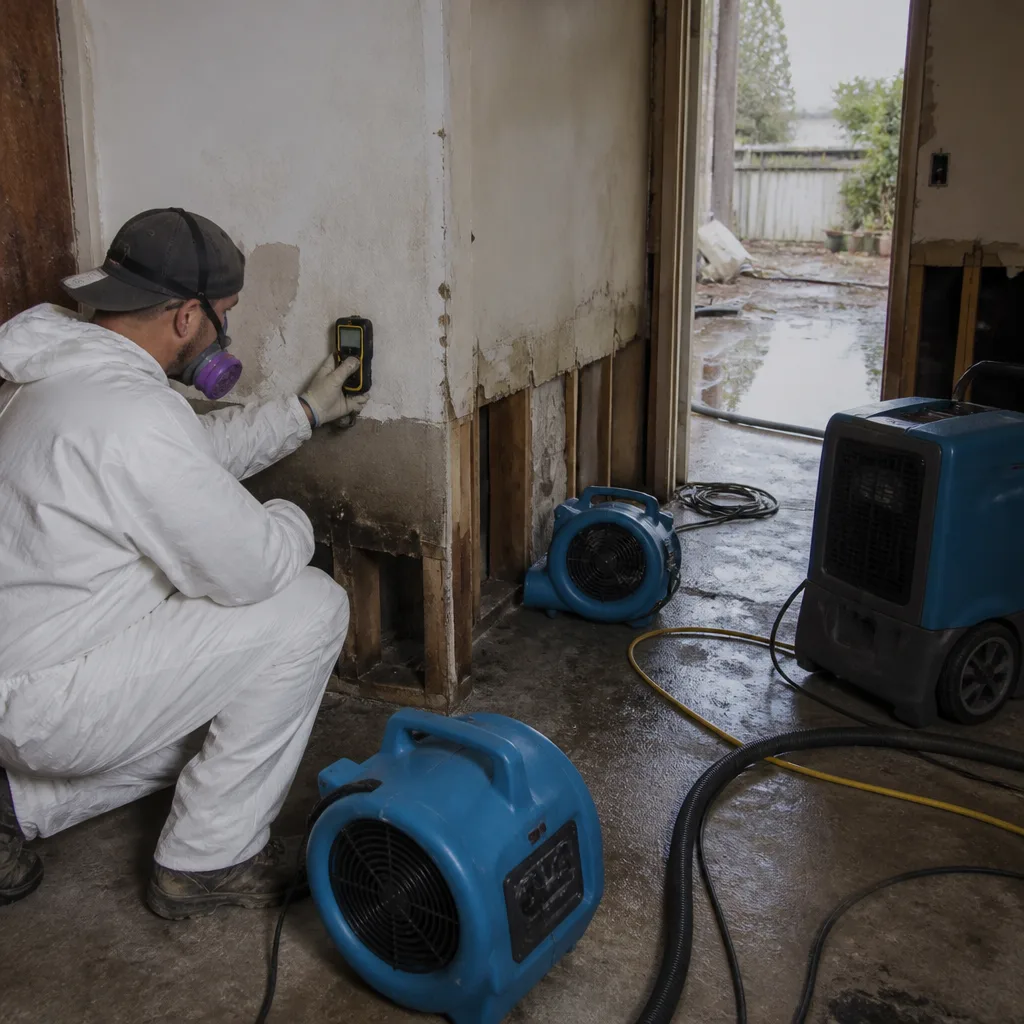 Before
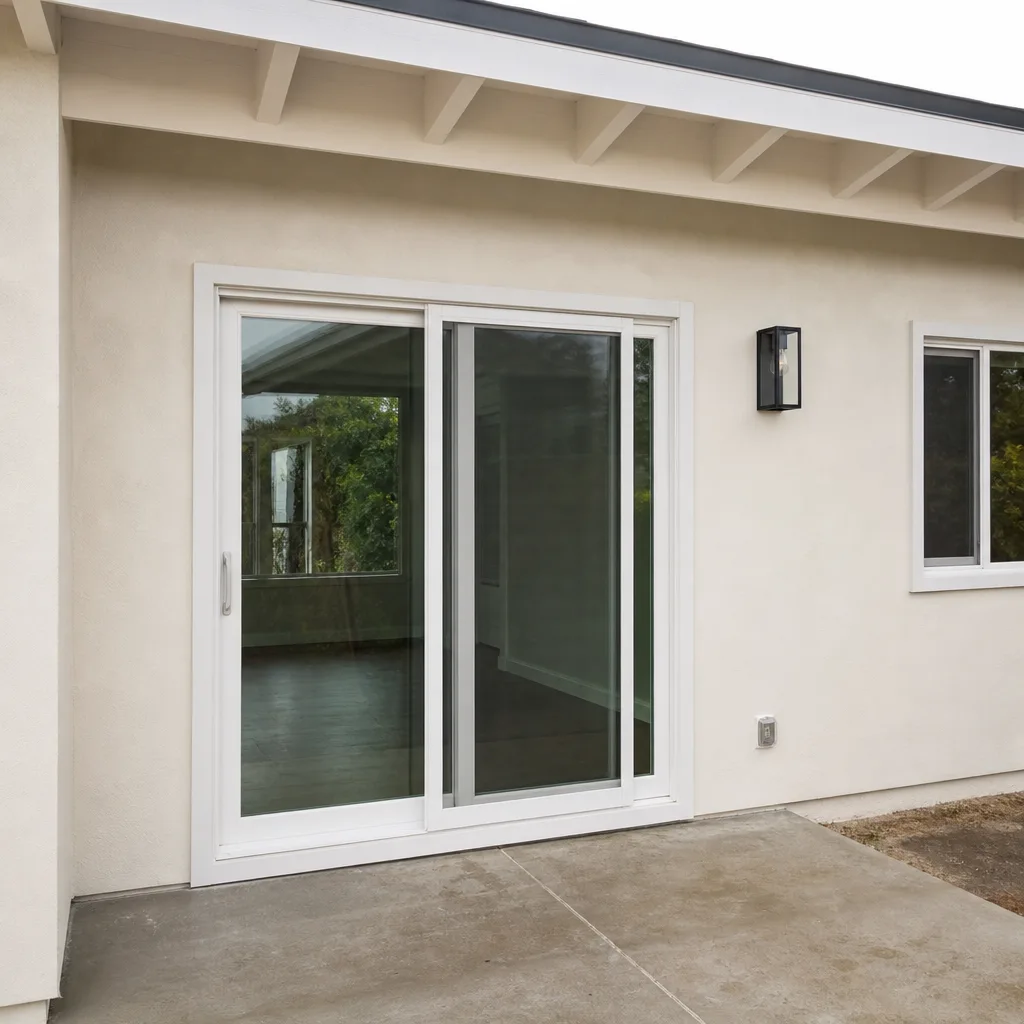 After
After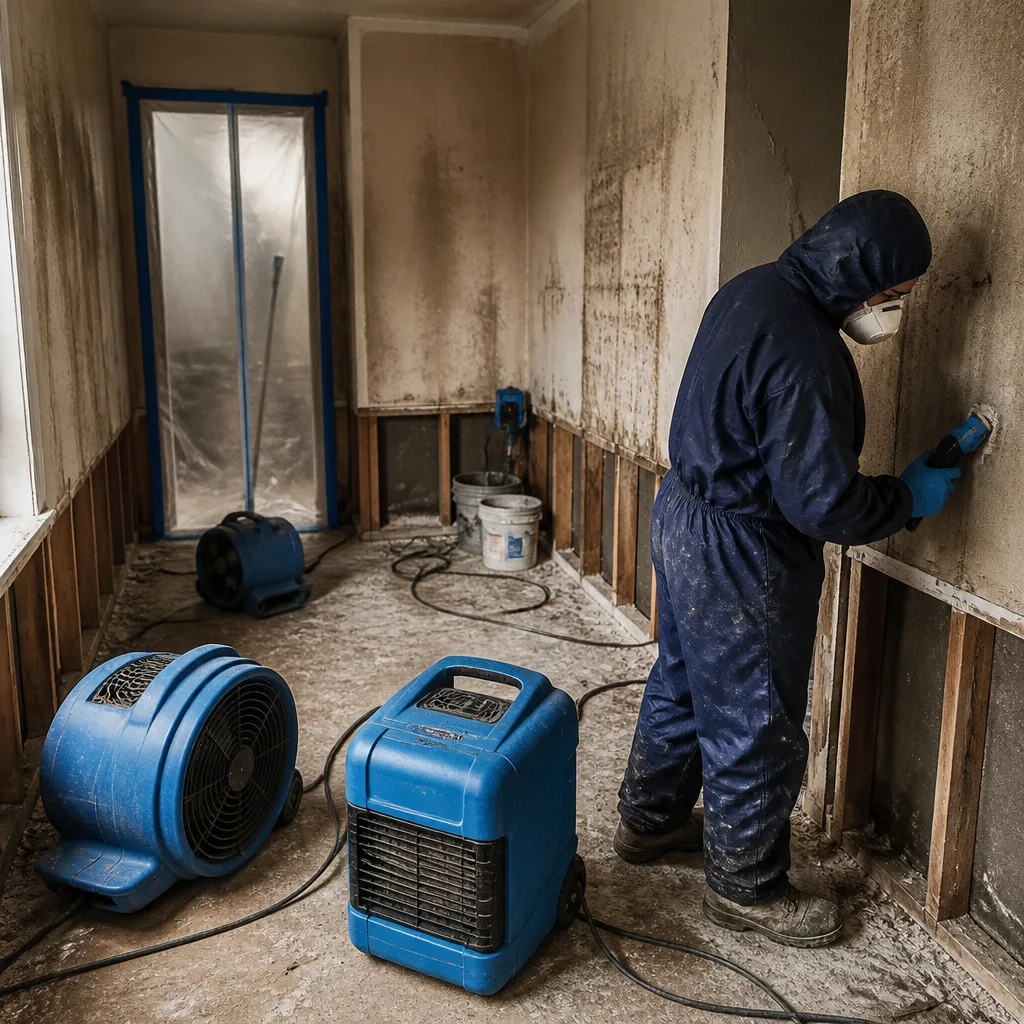 Before
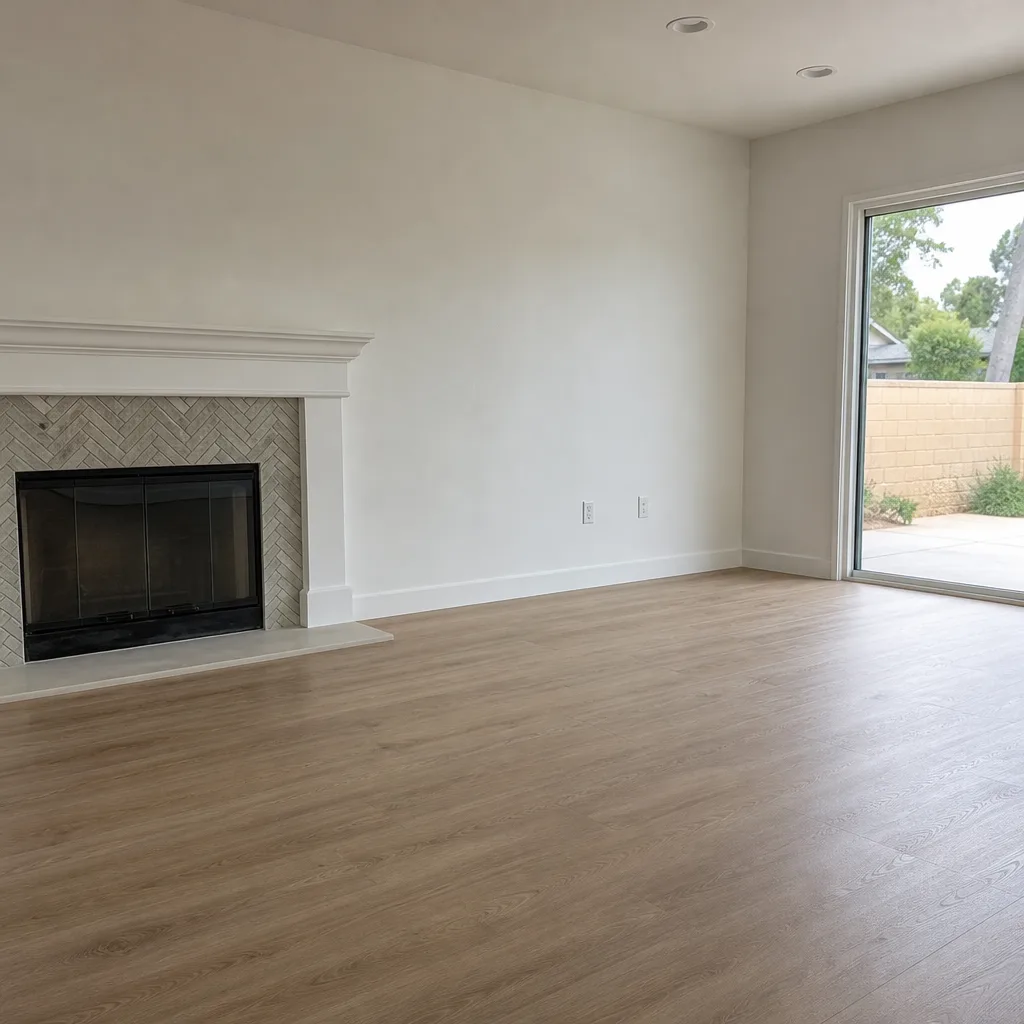 After
AfterCommon Water Damage Restoration Problems We See in Fillmore Homes
- Crawlspace silt intrusion in the floodplain: After any significant rainfall, homes along the Avenue streets collect fine river sediment under the floor. That silt holds moisture and rots joists slowly, often discovered only when the floor begins to sag.
- Wood rot in early-to-mid 20th century framing: Many Fillmore homes were built before modern moisture barriers. Water that sits against old-growth wood framing for even a few days starts the rot process, and replacing that framing costs far more than drying it properly the first time.
- Flat roof leaks in downtown commercial spaces: The historic downtown core has older buildings with flat roofs and aged plumbing. A slow leak through a flat roof can soak insulation and ceiling cavities for weeks before it appears as a stain, by which point the drying job is a full restoration.
- Fire-season water damage from neighbor runoff: Fillmore’s fall fire risk means defensible space and hillside clearing. When winter rain follows, burned slopes above town shed water and debris downhill, and houses that never flooded before suddenly take water through the garage.
Pricing for Water Damage Restoration in Fillmore, CA
Most water extractions in Fillmore run $1,800 to $4,200 before drying equipment is set. Flood cleanup with silt and debris removal runs $3,000 to $7,000 depending on how much sediment entered the home. Structural drying adds $900 to $2,400 based on square footage and material type. What changes the price: how long the water sat, whether it touched drywall or plaster, whether it reached the crawlspace, and whether it’s Category 1 or Category 2. Insurance claims with photo documentation and adjuster coordination are something we handle daily here. Call (559) 242-4307 for a free, written estimate with no obligation.
We Also Serve Cities Near Fillmore
Our crews handle Water Damage Restoration throughout the Santa Clara River Valley, including Moorpark, Santa Paula, Somis, and Simi Valley. If you’re on the edge of Fillmore or just outside city limits, we cover those areas too. For full service details across the region, see Water Damage Restoration in Fillmore and the surrounding communities we serve.
Serving Fillmore, CA - Our Local Coverage Area
We’re based in the Fillmore area and know this community well. Use the map below to see our service coverage - if you’re nearby, we can almost certainly help.
FAQs About Water Damage Restoration in Fillmore
Because those streets sit in the Santa Clara River floodplain, and the water that enters crawlspaces there carries fine silt that standard extraction misses. The silt holds moisture against floor joists for months, causing rot that appears long after the surface looks dry. Specialized extraction with Injectidry systems and moisture mapping is required to confirm the foundation is actually dry.
Burned slopes above Fillmore shed water and debris downhill during the first winter rains after a fire. Homes that never flooded before can take water through garages and low doorways because the ground above them no longer absorbs rainfall the way vegetated soil does. We see this pattern most in the east-side subdivisions near the foothills.
Yes. Our techs regularly work in alley-load garages and tight clearances on the Avenue streets, deploying XPOWER air movers and compact dehumidifiers sized for small crawlspaces and narrow side yards. We coordinate access and parking ahead of time so drying starts the same visit, not the next day.
Category 1 is clean water from a supply line or water heater. Category 2 is water that has sat long enough to pick up bacteria from the floor, walls, or silt, typically after 48 hours. A Category 2 flood in a Fillmore basement requires antimicrobial treatment on top of extraction and drying, which changes both the scope and the price.
Call immediately, because mold can begin in warm, wet Fillmore conditions within 24 to 48 hours. The faster extraction and drying start, the less likely you’ll need mold remediation on top of water damage restoration. Our line at (559) 242-4307 is answered by a live person 24/7, and crews can usually be in Fillmore within 90 minutes.
If water is where it shouldn’t be in Fillmore, call (559) 242-4307 now. We’ll tell you who is coming, what it will cost in writing before work starts, and we’ll stand behind the repair for a full year with the 365-Day Done Right Promise.
Written by Tobias Reyner, Owner at Marsh Water Damage Ventura, serving Fillmore and the Santa Clara River Valley.