
Last updated October 16, 2026
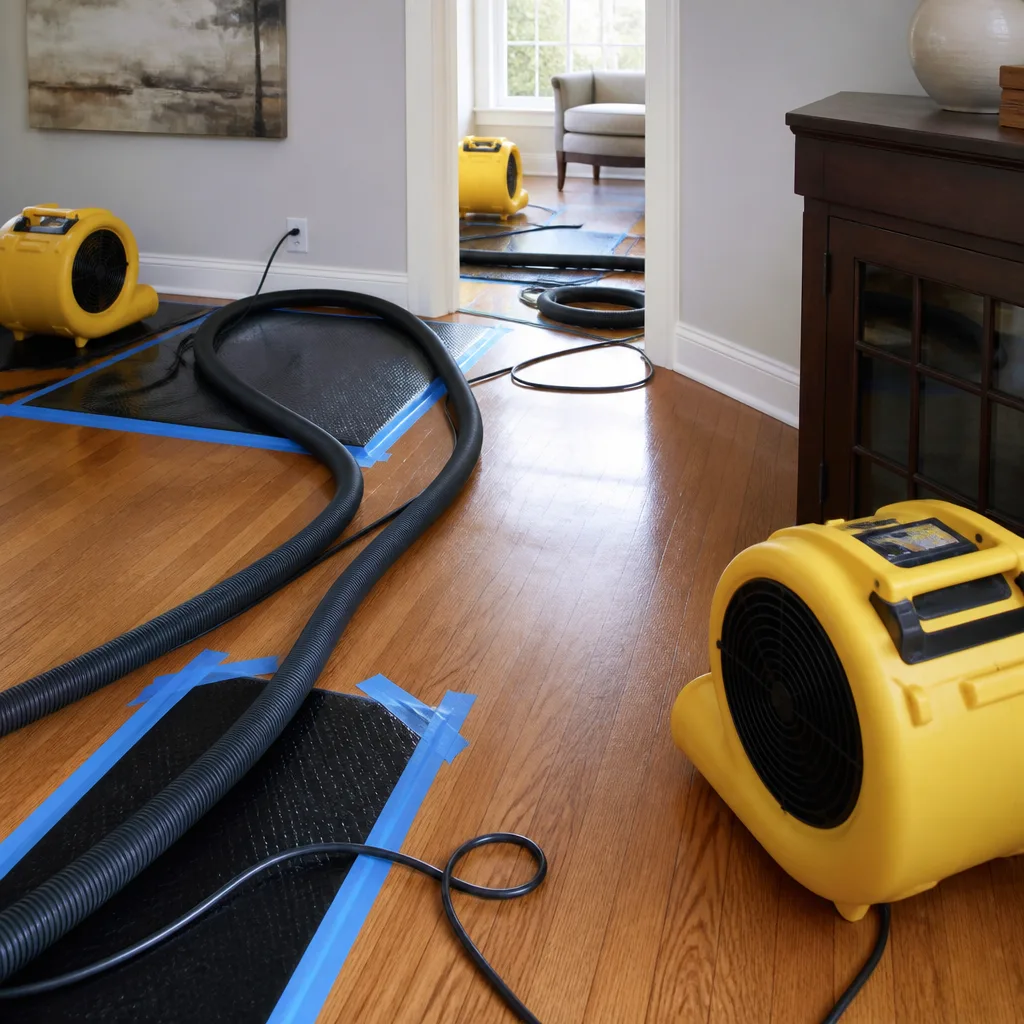 Water damage drying
 Fire & smoke cleanup
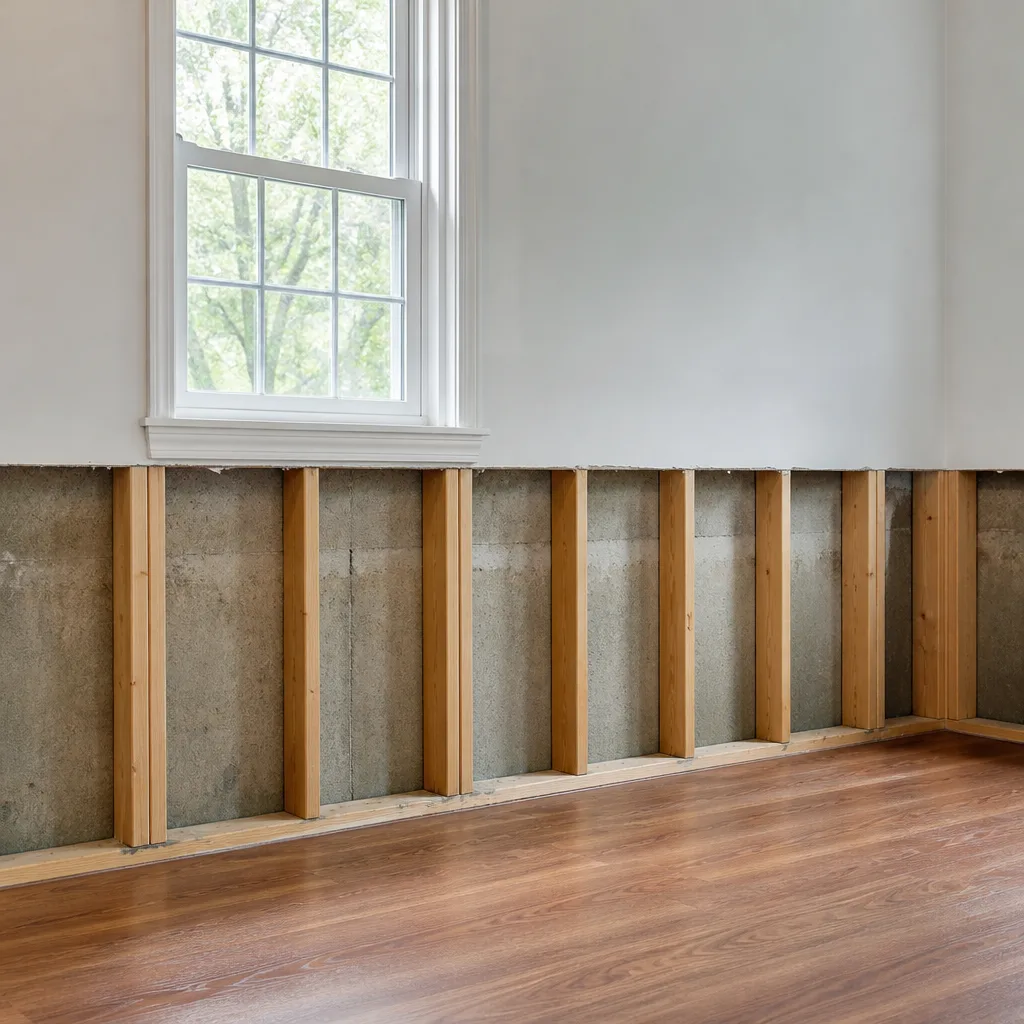 Mold remediation
 Storm response
 Sewage cleanup
 Reconstruction
Free visual inspection and a written scope of work before any mitigation begins - photos, moisture readings, and drying logs go in your claim file
The scope we write is the scope we bill. Anything new gets shown to you, in writing, before we touch it.
Get your free estimateDamage Restoration Permits, Codes & Inspections in CA: What You Need to Know
Last year, a homeowner in Ventura’s Midtown neighborhood sold her house and discovered at closing that an unpermitted water damage repair, completed by a licensed contractor three years earlier, had quietly voided her homeowner’s insurance coverage for that room the entire time. Nobody told her. Not the contractor, not the insurance company, not the title agent. She found out in escrow, and it cost her $18,000 to resolve before the buyer would sign. The lesson California keeps teaching: permits are not the contractor’s problem to handle. They are yours. Here’s exactly what you need to know so you never inherit that surprise.
Restoration work we handle
Quick Answer
In California, permits are legally required for most structural restoration work, including framing replacement, foundation repair, electrical rewiring, and plumbing repiping after water, fire, or storm damage. Cosmetic repairs like drywall patching, paint, flooring replacement, and mold cleaning on non-structural surfaces typically do not require permits. The property owner, not the contractor, carries the legal and financial liability if required permits are skipped, even when the contractor says permits are unnecessary. In Ventura, most water damage restoration under $500 in value is exempt, but any structural work over that threshold needs a permit from the City of Ventura Building and Safety Division.
Table of Contents
- Who Pulls the Permit in California: Owner vs. Contractor
- Ventura County Permit Thresholds: What Triggers a Permit and What Does Not
- When Mold Remediation Needs Its Own Permit
- How to Verify Your Ventura Address’s Permit History
- SB 800 Right to Repair Act: What Restoration Contractors Must Fix for Free
- Retroactive Permits: What to Do if the Work Is Already Done
- Common Mistakes to Avoid
- When to Call a Professional
- Frequently Asked Questions
- The Bottom Line
Who Pulls the Permit in California: Owner vs. Contractor
California Business and Professions Code section 7031 is blunt: any contractor doing work that requires a permit must be licensed for that specific trade, and the permit must be pulled before work begins. But here’s what most Ventura homeowners miss: the legal obligation to ensure permits are in place ultimately rests with the property owner. If a contractor tells you a permit is not needed and that turns out to be wrong, the City of Ventura will issue the correction notice to the person listed on the property deed, not the contractor’s business address.
Licensed general contractors in California are required to pull permits for work they perform. A qualified restoration company in Ventura will typically pull permits under their own license number, and they should be able to show you the permit application receipt before any demolition starts. If a contractor asks you to pull the permit yourself as the owner-builder, that is legal but it shifts all permit-related liability to you, including compliance with worker’s compensation insurance requirements and construction defect exposure, as explained in our DIY vs Professional Damage Restoration: The Ventura Homeowner’s Decision Guide.
In our experience restoring water-damaged homes across Ventura, we have seen homeowners sign contracts that included a line item for permit fees but no actual permit was ever filed. When the work was later inspected by a home inspector before resale, the repairs could not be verified. Request the permit number. Write it down. A legitimate restoration contractor will not hesitate to provide it.
There is one common exception. Emergency work, in this case stopping active water flow, removing standing water, cutting out saturated drywall to prevent mold from spreading, can proceed before a permit is pulled if it is truly necessary to protect life or property. California Health and Safety Code section 19850 and the California Building Code allow emergency stabilization. But the permit application must be submitted to the City of Ventura within a reasonable timeframe afterward, generally the next business day. Emergency work does not mean emergency completion. Once the immediate threat is stopped, permitted work resumes only with approval.
Ventura County Permit Thresholds: What Triggers a Permit and What Does Not
Ventura operates under the California Building Standards Code with local amendments in the Ventura Municipal Code, specifically Title 10, Chapter 24. The practical thresholds are these:
- Under $500 in total labor and materials: Generally exempt from a building permit for repair work that does not alter the structure’s load path. Swapping out a section of drywall, replacing baseboards, painting, and patching all fit here.
- $500 to $1,000: Gray zone. If the work is cosmetic, no permit. If it touches framing, electrical, plumbing, or ventilation, a permit is required regardless of dollar amount.
- Over $1,000: Almost always requires a permit when the work involves structural components, even partial framing replacement after water damage has rotted sill plates in a Ventura beach cottage.
- Any modification to load-bearing walls, floor joists, rafters, or foundation: Requires a permit at any dollar value. No exceptions.
- Electrical panel replacement, rewiring any circuit, or adding outlets: Requires a separate electrical permit from the Ventura Building and Safety Division.
- Water heater replacement, repiping supply lines, or moving drain lines after a slab leak: Requires a plumbing permit.
- Window or exterior door replacement when the opening changes size: Requires a permit. Same-size replacement typically does not, but flashing details in coastal Ventura zones must match code.
What never requires a building permit in Ventura: carpet and flooring replacement, painting interior or exterior, replacing cabinet doors, patching drywall seams, replacing light fixtures on an existing circuit, and cosmetic trim work. Mold cleaning on non-structural surfaces, like wiping down concrete or scrubbing tile, is also exempt as long as no drywall, insulation, or framing is removed.
Ventura’s coastal location adds one layer many other California cities avoid. Properties in the coastal zone, generally west of Highway 101 and within a few blocks of the shore, fall under California Coastal Commission jurisdiction for any exterior work that changes a building’s footprint, height, or drainage patterns. A storm damage repair that rebuilds a deck or replaces a rotted exterior wall section in Pierpont or the Keys may need a coastal development permit in addition to a standard building permit. This is not optional, and it cannot be waved away by a contractor who says the Coastal Act does not apply.
Here is a cost table for common Ventura restoration permits as of 2026:
| Permit Type | Typical Ventura Fee | Notes |
|---|---|---|
| Minor repair permit (drywall, trim, patch) | $85 to $180 | Valuation-based, under $1,000 |
| Residential remodel permit (kitchen, bath, structural) | $450 to $1,600 | Depends on square footage and valuation |
| Electrical permit (circuit, panel) | $110 to $350 | Separate from building permit |
| Plumbing permit (repair, repipe, water heater) | $120 to $320 | Separate from building permit |
| Retroactive permit (after unpermitted work) | $200 to $900 plus double fees | Penalty can double standard fee |
| Coastal development permit (exterior, coastal zone) | $500 to $3,000+ | Varies by scope, CCC review time |
These are current ranges for Ventura. Santa Barbara, Oxnard, and Camarillo each operate under their own fee schedules, but Ventura’s rules are what matter if your property is inside city limits. For Water Damage Restoration in Ventura, the most common permitted scope is structural drying verification and framing replacement when equilibrium moisture content readings, taken with Dri-Eaz and Phoenix meters, show that load-bearing wood has been saturated for more than 72 hours and has lost compressive strength. That is a permit situation every time when sill plates or rim joists are involved.
When Mold Remediation Needs Its Own Permit
Most mold remediation in Ventura does not require a separate permit. It is covered under the main restoration permit if the scope includes removing and replacing drywall, insulation, or framing. But there are three specific circumstances where mold work triggers its own regulatory path, and many contractors blur this distinction because the additional paperwork slows the job down.
- Mold contamination exceeding 10 square feet of contiguous visible growth. At this point, the California Department of Public Health published guidance, and many Ventura building officials default to the EPA mold remediation guidance, recommends or requires a written mold remediation plan. The plan must describe containment, negative air pressure, HEPA filtration, and clearance testing. While not technically a “permit,” the plan must be kept on site and shown to inspectors on request.
- HVAC system contamination. If mold has colonized inside air ducts, coils, or the air handler itself, the work often requires a mechanical permit because the system must be opened, cleaned, and recommissioned. Duct cleaning alone is not permitted work, but replacing sections of duct or modifying returns is.
- Structural wood remediation using soda blasting or dry ice blasting on load-bearing members. If blasting or manual wire brushing removes enough wood fiber to change member dimensions on beams, posts, or joists, the building official may require an engineer’s letter and an inspection. In older Ventura homes, especially 1920s and 1930s craftsmans in Midtown and the Avenues, this comes up more often than homeowners expect because the original framing was not up to modern load calculations even before mold got into it.
The state of California licenses mold assessors and mold remediators separately under the California Department of Public Health. A restoration company cannot legally do both for the same property, though an IICRC-certified firm with RIA-trained technicians can perform remediation while a third-party assessor handles clearance testing. When a Ventura contractor tells you mold remediation never needs a permit, what they are usually saying is that the project does not exceed 10 square feet and does not touch HVAC or structural wood. That may be true for your job. But make them state it in writing on the work order, because if the scope grows during demo, the rules change.
For homeowners dealing with this right now, our Mold Remediation in Ventura page covers remediation scope, containment, and clearance testing in plain language, including what an IICRC-certified team should do before anyone opens a wall cavity.
How to Verify Your Ventura Address’s Permit History
You do not need a contractor to check your permit history. It takes five minutes, and you should do it before buying a home, before listing, and after any restoration work is completed. Here is the step-by-step for the City of Ventura:
- Go to the City of Ventura’s online permit portal, called eTRAKIT, which you can find by searching “Ventura building permits eTRAKIT” or by calling the Building and Safety Division at Ventura City Hall on Poli Street.
- Enter your street address and parcel number. You can get your APN from your property tax bill or the Ventura County Assessor’s parcel viewer.
- Search the record by date range. Pull everything from the date the house was built to today. You want to see every permit ever filed: original construction, additions, electrical panel swaps, water heater replacements, reroofs, and any restoration work.
- Look for finaled vs. open permits. A finaled permit means an inspector signed off. An open permit is a warning sign. Open permits from years ago, even one the previous owner abandoned, can block a sale and may indicate work was never inspected.
- Cross-check against the contractor’s claims. If a previous owner or contractor said a permit was pulled for a water damage repair in 2019, it must appear in the portal. If it does not, the work was done unpermitted.
For Ventura County unincorporated areas, like the Ojai Valley, Oak View, and parts of the Saticoy corridor, permits go through Ventura County Building and Safety, not the city. The search system is different, accessible through the County’s Accela Citizen Access portal. If you are not sure which jurisdiction your property falls under, your address on the assessor’s page will say “City of Ventura” or “Unincorporated Ventura County.”
We recommend every homeowner run this check after any restoration project, even if you trust the contractor. It is your name on the deed. A permit verification call to the Building and Safety Division takes three minutes and confirms the permit number, the inspector’s name, and the final inspection date. Write all three in your home file. When you sell, the buyer’s inspector will ask for them.
SB 800 Right to Repair Act: What Restoration Contractors Must Fix for Free
California’s Right to Repair Act, known as SB 800 and codified in Civil Code section 895 through 945.5, applies to new residential construction sold after January 1, 2003. It does not apply to every restoration job on an older Ventura home. But it does apply in a very specific way that most homeowners never learn: when a restoration contractor performs work covered by SB 800 standards, that work must meet the same functionality standards for one year after completion, regardless of the age of the house.
In practice, here is what that means. If a restoration company replaces a section of copper water supply line after a slab leak, that new pipe section carries a one-year functionality standard under SB 800. If the new section leaks before the year is up, the contractor who installed it must repair it at no cost. If a restoration company replaces an exterior wall’s weatherproofing system after storm damage, and that system fails due to installation error within one year, the repair is the contractor’s obligation.
The catch is that the homeowner must provide written notice and allow a reasonable opportunity to repair. That is where most homeowners stumble. They call, leave a message, wait. SB 800 requires written notice delivered to the contractor’s address of record. Email counts in most California courts, but a certified letter does too and is harder to dispute. File a copy of the notice. If the contractor does not respond within 30 days or refuses the repair, the homeowner can proceed with another contractor and pursue recovery of costs.
A restoration company with strong local accountability practices makes this simple. For example, Marsh Water Damage Ventura, founded in 2005 as part of the Threshold Group family of restoration companies, includes a written guarantee on every work order, what we call the 365-Day Done Right Promise. If a repair fails within a year, we make it right, including a free second visit. No arguing, no re-quoting. The standard is stamped on the work order, because we want our customers to know exactly what they are getting before anything gets wet. Tobias Reyner, who leads our Ventura team, established that policy in 2005 and it has not changed once.
One specific SB 800 nuance for restoration work: the Act creates a functional warranty standard, not a cosmetic one. If a repaired wall shows a visible seam or slight texture mismatch, that is cosmetic and typically not covered unless it violates the stated installation standard. If a replacement window leaks during the first rain season after storm restoration, that is functional and is covered. Know the difference before you call.
Retroactive Permits: What to Do if the Work Is Already Done
If you discover that a previous contractor performed work without required permits, either during your ownership or on a home you just bought, you have options. The retroactive permit process in the City of Ventura exists specifically for this situation. Here is the real process and the real costs.
- Stop treating it as hidden. The Building and Safety Division is not going to fine you for coming forward. In Ventura, the culture around retroactive permits is pragmatic. They would rather bring work into compliance than chase prosecutions.
- Gather documentation. Photos of the work in progress if you have them, the contractor’s contract if you signed one, emails, text messages, and any receipts. If the work is hidden behind finished drywall, you will need to expose it for inspection regardless.
- File a retroactive permit application. This is done through eTRAKIT or in person at the Building and Safety counter. You describe the scope as “repair of existing construction, work performed prior to permit issuance.” The City will assign a plan review if needed and an inspection.
- Expect the fee penalty. Retroactive permits in Ventura carry a fee that is typically double the standard permit fee, known colloquially as the “penalty fee” or the “unpermitted work surcharge.” For a $1,000 drywall and framing repair, you are looking at roughly $350 to $700 in total permit costs rather than $175 to $350.
- Schedule the inspection. The inspector will open up enough of the work to verify framing, connections, electrical, and plumbing as applicable. If the work was done correctly, you get a finaled permit. If not, you get a correction notice and must fix the deficiencies.
- If the work was done badly, you may need a licensed contractor to correct it before the permit can final. This is the moment where the original contractor’s failure becomes a real bill. Document everything and consult a construction attorney if the correction cost is significant.
The uncomfortable truth: if a contractor told you a permit was not needed, and that was false, you can sue. California recognizes negligent misrepresentation and breach of contract in permit fraud cases. Contractors State License Board complaints can also trigger an investigation. But your immediate priority should be getting the property into compliance, because an unpermitted repair can affect your insurance (as in that Midtown Ventura sale), your ability to refinance, and your sale price.
This is exactly the scenario where having a restoration company that handles permitting as standard practice matters. At Marsh Water Damage Ventura, our position is simple: if the scope requires a permit, we tell you before work starts, we pull it under our license, and we hand you the permit number in writing. If it does not require a permit, we write that on the work order too, with the reason, so you are never left guessing. It is a small practice that prevents a large problem.
Common Mistakes to Avoid
- Believing the contractor when they say “this doesn’t need a permit” without checking. Contractors are incentivized to avoid permit delays. You are the one who pays if they are wrong. Call the Ventura Building and Safety Division yourself, give them the scope, and ask. The call takes five minutes.
- Accepting a verbal permit confirmation. If there is no permit number in writing, there is no permit. Permits in Ventura are issued electronically with a reference number. Demand it before demolition.
- Confusing emergency stabilization with completed work. Stopping active water damage is an emergency. Rebuilding after it is not. Emergency work cannot extend to framing replacement, electrical work, or plumbing modification without a permit application.
- Skipping final inspection. A permit that has not been finaled is an open liability. Inspectors in Ventura will not automatically chase you down. If your contractor files the permit but never pulls the final inspection, that is your problem at resale.
- Failing to verify mold clearance testing was performed by a third party. California requires that the company that performs mold remediation cannot also perform the clearance assessment. If the same firm did both without an independent assessor, the clearance document is worth less than the paper it is printed on, and an insurance adjuster will notice.
- Paying for restoration work before permits are verified. Some Ventura homeowners pay a contractor’s final invoice, then discover the permit was never finaled. Withhold final payment until you see the final inspection sign-off in the portal. Most legitimate contractors expect this.
- Ignoring open permits left by previous owners. When you buy a home in Ventura, run a permit history check before closing. An open permit from a 2017 reroof or a 2014 water heater swap can become your problem with the title company at zero hour.
When to Call a Professional
Call a restoration professional immediately if the damage involves load-bearing framing, any electrical wiring, supply plumbing lines, or any structural component that was submerged or saturated for more than three days. Call before you start tearing anything out if you see visible mold growth larger than a dinner plate, which in Ventura’s coastal humidity can spread through wall cavities in 48 to 72 hours. Call if your insurance adjuster has scheduled a visit, because professional restoration documentation, photo records, and accurate scope reports from the first day are worth far more in a claim than anything you can reconstruct later. And call if you are unsure whether a permit is required, because the wrong answer costs more than the phone call. Marsh Water Damage Ventura home offers free estimates in Ventura. Call (559) 242-4307 and a live person answers, 24/7.
Frequently Asked Questions
You need a permit for water damage restoration if the repair involves structural components like framing, joists, beams, or foundations, or if it requires electrical or plumbing modifications. Cosmetic repairs like drywall patching, painting, and flooring replacement typically do not require a permit. In Ventura, work valued over $500 generally requires a building permit if structural components are touched. Call (559) 242-4307 for guidance specific to your Ventura property.
California law requires sellers to disclose unpermitted work on the Transfer Disclosure Statement. If you fail to disclose it, the buyer can sue for damages, and many real estate transactions fall apart at the closing table when unpermitted work is discovered during inspection. The seller is legally responsible for the cost of retroactive permits and corrections, not the contractor who skipped the permit years earlier. If you know about unpermitted work before listing, file for a retroactive permit first.
Mold remediation itself typically does not require a separate building permit unless it exceeds 10 square feet of visible growth, involves HVAC contamination, or requires structural wood remediation on load-bearing members. However, a written mold remediation plan following California Department of Public Health guidelines is required for larger jobs, and clearance testing must be done by a licensed third-party assessor who is separate from the remediation company.
Use the City of Ventura’s eTRAKIT online portal to search by your street address and parcel number. Look for permits that are not marked as finaled. Any open permit, even from a previous owner, can block a refinance or sale. Call the Ventura Building and Safety Division at City Hall on Poli Street if you need help reading the portal.
SB 800 is a California law that requires builders and contractors to repair covered defects at no cost for one year after the work is completed. It applies to restoration work only when the repair installed new building components, like pipe sections, window flashing, or weatherproofing systems, and only to functional defects, not cosmetic ones. You must provide written notice to the contractor and give them 30 days to respond before pursuing repairs yourself.
Most water damage restoration companies in Ventura answer during business hours and return emergency calls within an hour or two. Marsh Water Damage Ventura answers every call with a live person 24 hours a day, 7 days a week, including holidays, because that is the standard every Storm Damage Restoration in Ventura project demands. The first technician typically arrives within 60 to 90 minutes in central Ventura, and the team arrives with Threshold Verified credentials, meaning you know exactly who is knocking before they do.
The Bottom Line
Permits are not the contractor’s problem to handle in California. They are yours. The property owner carries the legal and financial risk when work is done without required permits, and that risk surfaces at the worst possible moments: during insurance claims, refinances, and escrow. In Ventura, the rules are straightforward once you know the thresholds: under $500 is typically exempt, structural work always needs a permit, coastal properties face additional Coastal Commission review, and retroactive permits are available with a penalty fee. Verify your permit history before you buy or sell. Ask for a permit number in writing before any restoration work begins. If a contractor cannot produce one, call the Building and Safety Division yourself. Five minutes on the phone can save you $18,000 in escrow. For more guides & resources, explore our blog, or if you are ever unsure, call (559) 242-4307 and ask us directly, a live person answers, and we will tell you the truth even when the answer is that no permit is needed.
Written by Tobias Reyner, Owner at Marsh Water Damage Ventura, serving Ventura since 2005.
See the difference
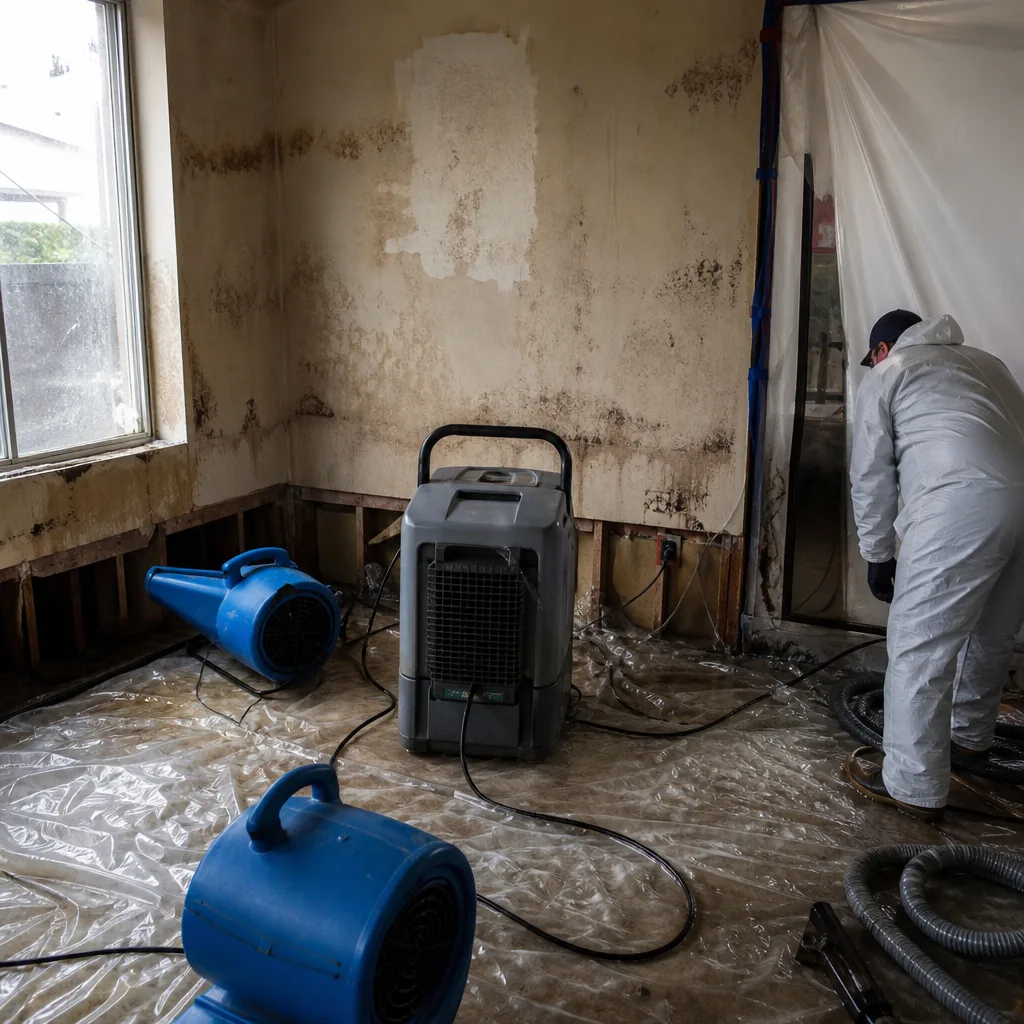 Before
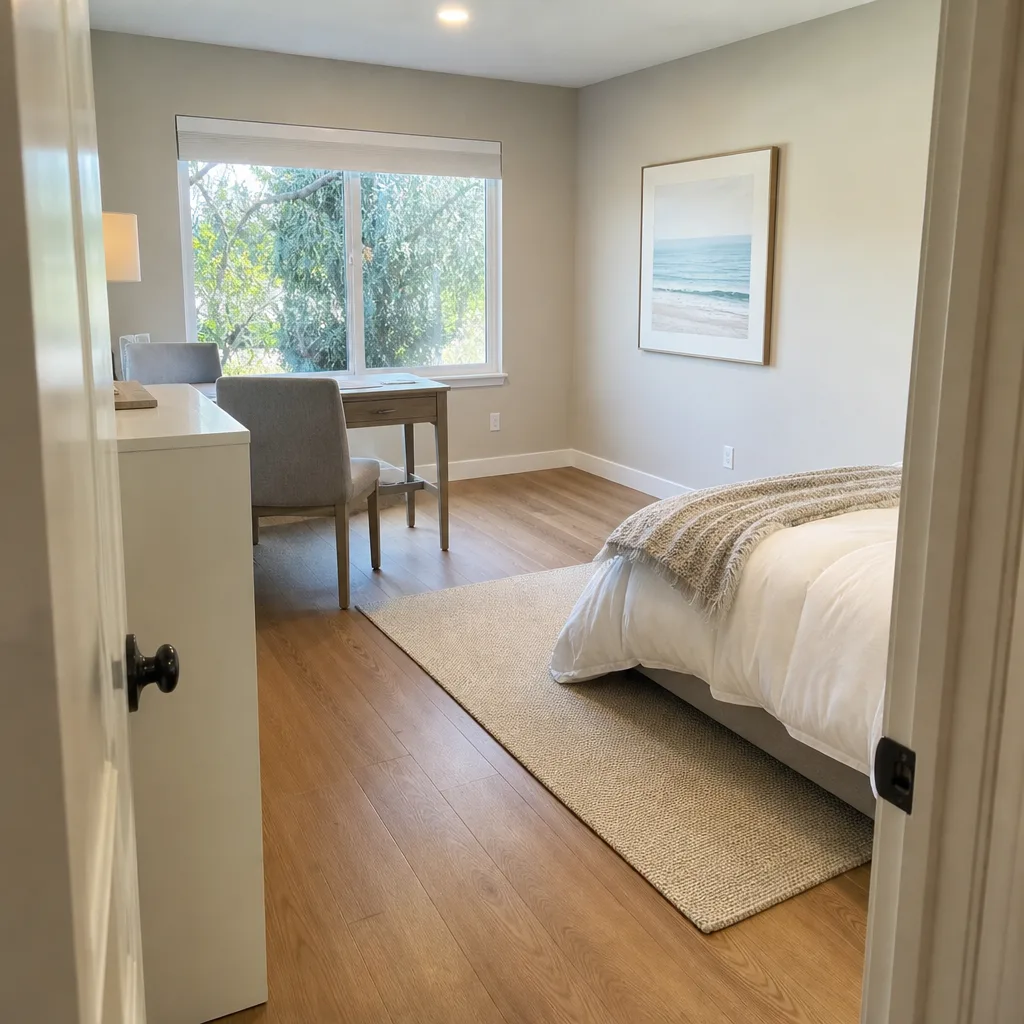 After
After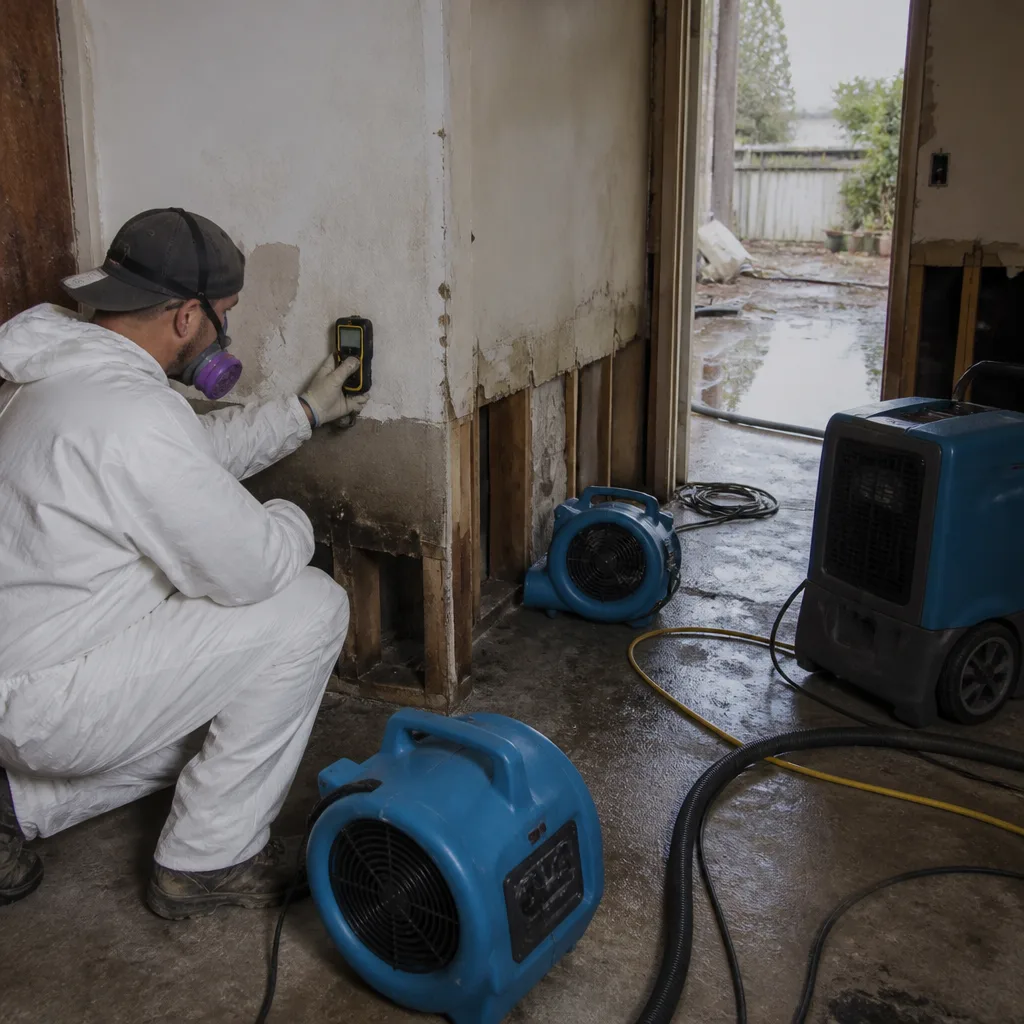 Before
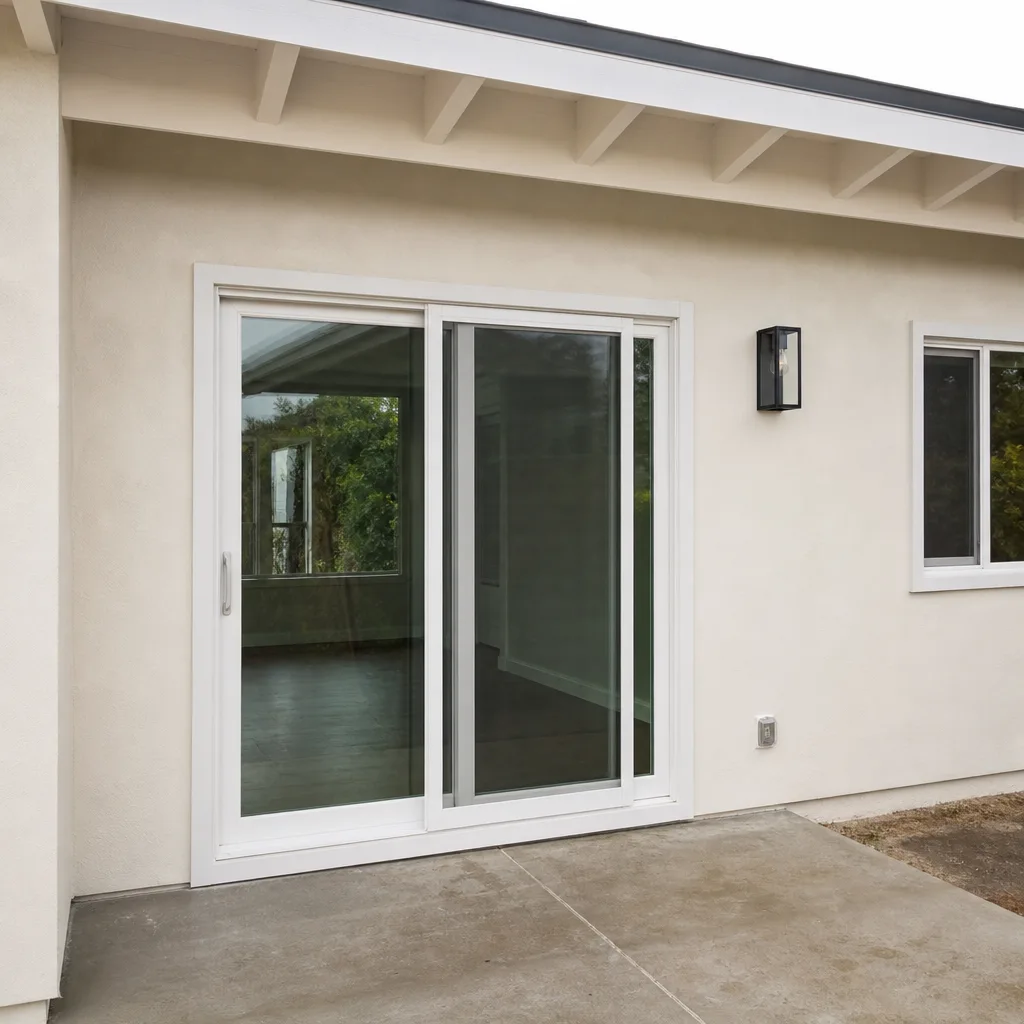 After
After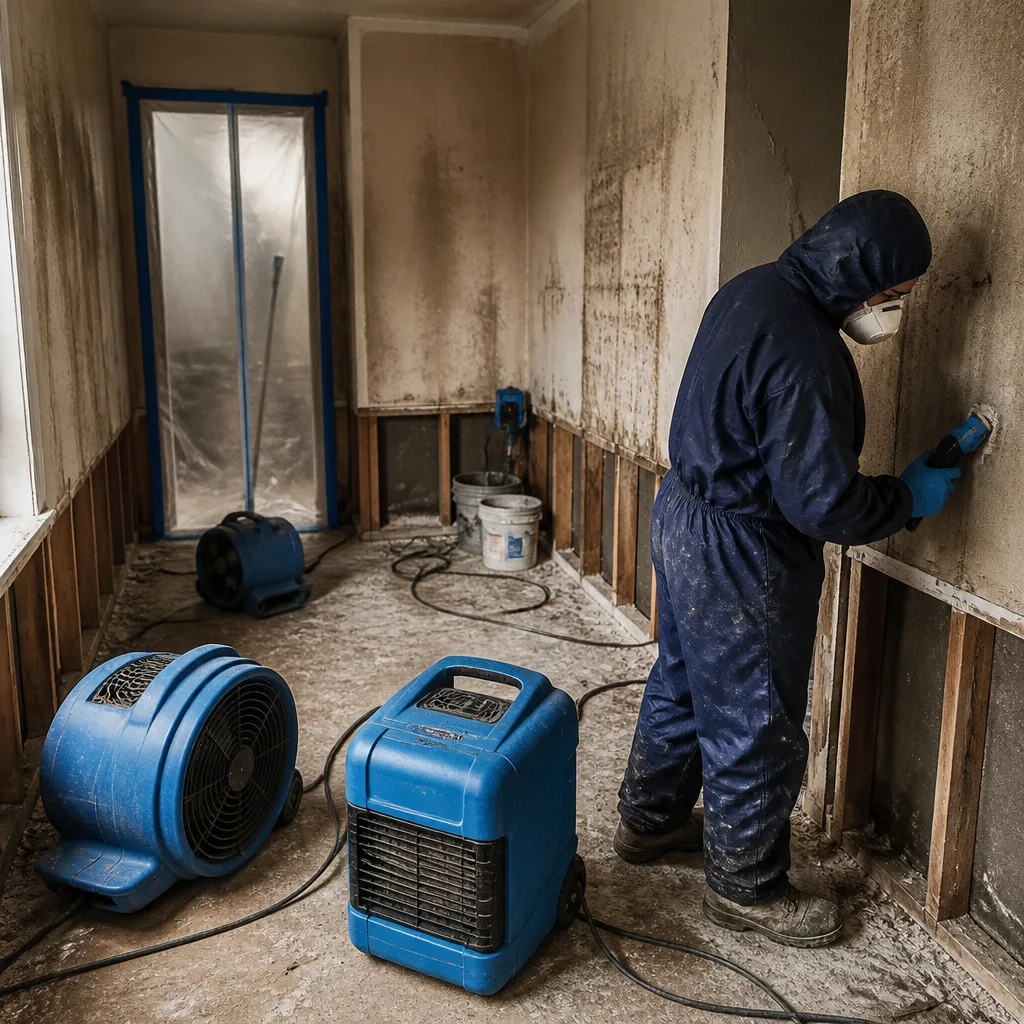 Before
 After
After