
Last updated October 16, 2026
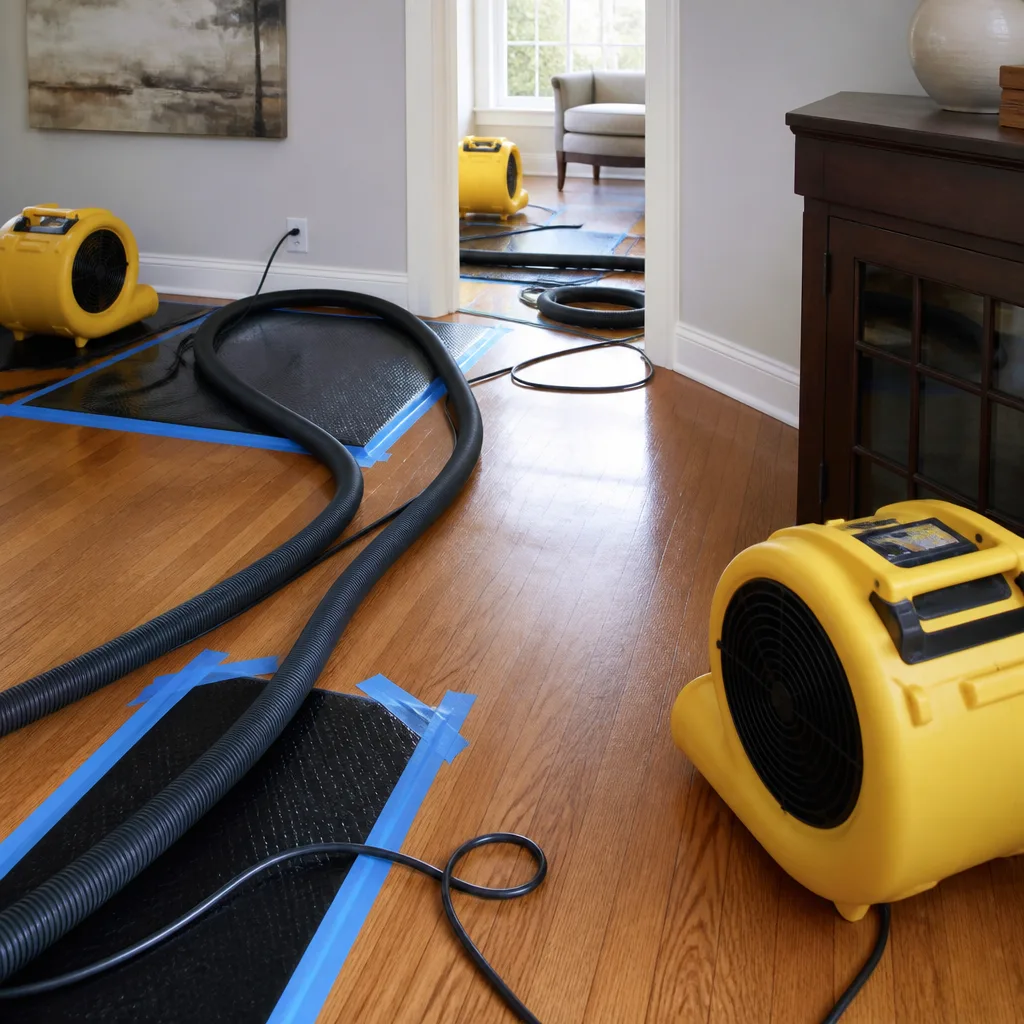 Water damage drying
 Fire & smoke cleanup
 Mold remediation
 Storm response
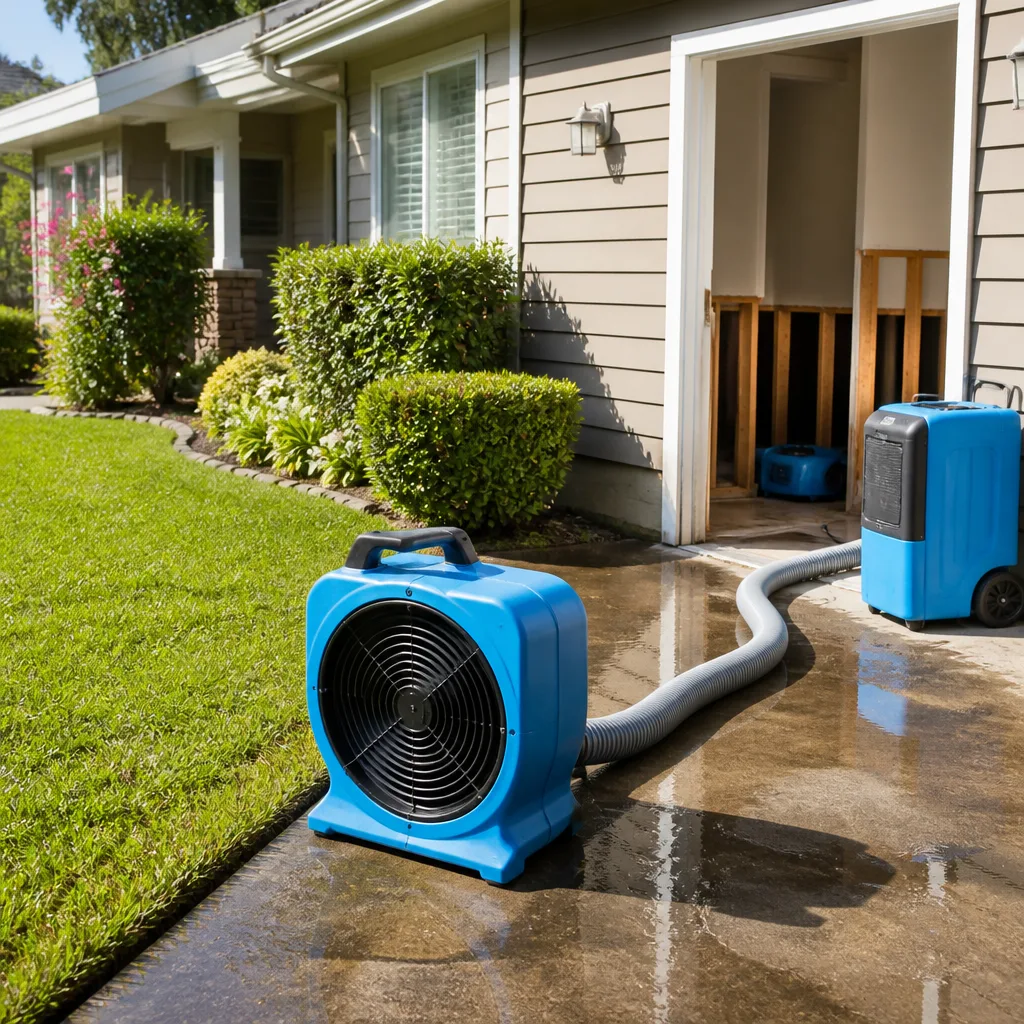 Sewage cleanup
 Reconstruction
Free visual inspection and a written scope of work before any mitigation begins - photos, moisture readings, and drying logs go in your claim file
The scope we write is the scope we bill. Anything new gets shown to you, in writing, before we touch it.
Get your free estimateDIY vs Professional Damage Restoration: The Ventura Homeowner’s Decision Guide
Every year, Ventura homeowners who successfully dry their own floors end up paying twice: once for the DIY attempt and once for the professional job. The surface felt dry, the dehumidifier ran for days, and the carpet looked fine, but the pad underneath stayed wet long enough to feed mold. This guide and our How to Hire a Damage Restoration Contractor in Ventura: A Step-by-Step Guide exist because the DIY-versus-professional question isn’t about how handy you are. It’s about moisture classification, material science, and California contractor law. We’ll show you exactly where the line is drawn, with real numbers, real scenarios, and a four-question decision tree you can use before you touch a single wet square foot.
Restoration work we handle
Quick Answer
DIY water damage restoration in Ventura is appropriate only for small, clean-water spills under roughly 10 square feet that you catch within 24 to 48 hours and can dry completely with fans and a properly sized dehumidifier. Anything involving gray or black water, hidden moisture in walls or under flooring, HVAC contamination, or affected areas larger than a small bathroom rug deserves a professional assessment. The line isn’t drawn by square footage alone. It’s drawn by moisture classification, and that’s what determines whether your insurance claim stays intact and your home stays mold-free.
Table of Contents
- Understanding Moisture Classification: The Real DIY Line
- When DIY Is Genuinely Appropriate in Ventura
- When DIY Becomes Illegal or Voids Your Insurance
- Consumer Dehumidifiers vs. Professional Drying Equipment
- California Contractor Law and Your Right to Self-Perform
- Insurance Claim Implications of Documented DIY Attempts
- The Four-Question Decision Tree
- Common Mistakes to Avoid
- When to Call a Professional
- Frequently Asked Questions
- The Bottom Line
Understanding Moisture Classification: The Real DIY Line
Before you decide whether to grab a shop vac or pick up the phone, you need to understand how restoration professionals categorize water. The IICRC (Institute of Inspection, Cleaning and Restoration Certification, the body that sets restoration standards for the industry) divides water damage into three categories. This classification, not the size of the puddle, is what tells you whether DIY is even on the table.
Category 1: Clean water. This comes from a broken supply line, a faucet left running, or rainwater that hasn’t touched contaminated surfaces. It poses no immediate health risk. If you catch it fast and dry it thoroughly, DIY can work.
Category 2: Gray water. This is water with some contamination: washing machine overflow, dishwasher discharge, toilet overflow with urine but no feces, or aquarium leaks. It carries microorganisms that can make people sick. DIY drying might remove the water, but it won’t remove the biological load. This category is where most DIY mistakes happen because the water looks clean.
Category 3: Black water. This is sewage, floodwater from rivers or storm surge, or any water that has sat long enough to grow bacteria. It contains pathogens, and anything it touches that’s porous (carpet, pad, drywall, upholstery) needs to be removed, not dried. There is no DIY version of Category 3 restoration. None. If you’ve had a sewage backup or storm surge in Ventura, you’re calling a professional, and your insurance company will expect it.
In our experience across Marsh Water Damage Ventura home service areas, we see the gray-water mistake more than any other. A homeowner dries a dishwasher overflow, the floor feels dry, and six weeks later there’s a musty smell behind the baseboard. By then, the repair bill is triple what the initial extraction would have cost.
When DIY Is Genuinely Appropriate in Ventura
This isn’t an argument that you should never do anything yourself. There are clear, specific scenarios where self-performing a water cleanup is reasonable and safe. Here’s what qualifies:
- The water is Category 1, no question. Clean supply line break, spilled water, rain through an open window onto tile.
- The affected area is under 10 square feet. A bathroom floor, a small entry mat, a patch of vinyl in the kitchen. If the wet area is larger than a standard interior door, professional extraction equipment starts to matter.
- The water hasn’t soaked into porous materials. Tile, sealed concrete, vinyl, or linoleum that got wet on the surface only. If carpet, pad, engineered wood, or drywall is saturated, the moisture has already migrated where your fan can’t push it.
- You catch it within 24 to 48 hours. Mold spores start germinating in 24 to 72 hours depending on temperature and humidity. Ventura’s coastal climate, with its 65 to 75 percent average relative humidity, pushes that window shorter. If you don’t start drying immediately, you’re fighting biology, not just dampness.
- You have the right tools, not just a fan. A box fan moves air but doesn’t remove moisture. You need a dehumidifier rated for the room’s square footage, a moisture meter (about $30 at a hardware store), and a plan to verify the area is dry below the surface, not just dry to the touch.
Even in these conditions, the burden is on you to verify dryness. That means taking moisture readings 24 hours after you think you’re done, and again 48 hours later. If the meter still registers elevated moisture in the material, you haven’t finished drying. You’ve just paused the process, and mold doesn’t pause.
When DIY Becomes Illegal or Voids Your Insurance
There’s a point where self-performing restoration crosses from “reasonable homeowner activity” into “unlicensed contracting on your own property,” and there’s a separate point where your insurer’s coverage becomes conditional. Knowing both points matters.
Mold remediation over 10 square feet. California’s Toxic Mold Protection Act (the 2001 state law governing mold assessment and remediation) and subsequent Department of Public Health guidance set thresholds for what constitutes a mold problem requiring professional handling. If visible mold covers more than 10 square feet, the California Department of Public Health recommends professional remediation. Smaller than that, you can clean it yourself with soap and water or a diluted bleach solution and proper PPE. Larger than that, and you’re dealing with containment, negative air pressure, and disposal requirements that no homeowner is equipped to handle. This is one area in the Mold Remediation in Ventura landscape where the rules are clear and enforced.
Sewage and Category 3 water. California Health and Safety Code sections on waste handling mean that sewage-contaminated materials can’t go into the regular trash. They require specific bagging, labeling, and disposal. A DIY sewage cleanup isn’t just unsafe; it’s technically improper disposal of biohazardous material. Your city or county contract for waste removal doesn’t cover it.
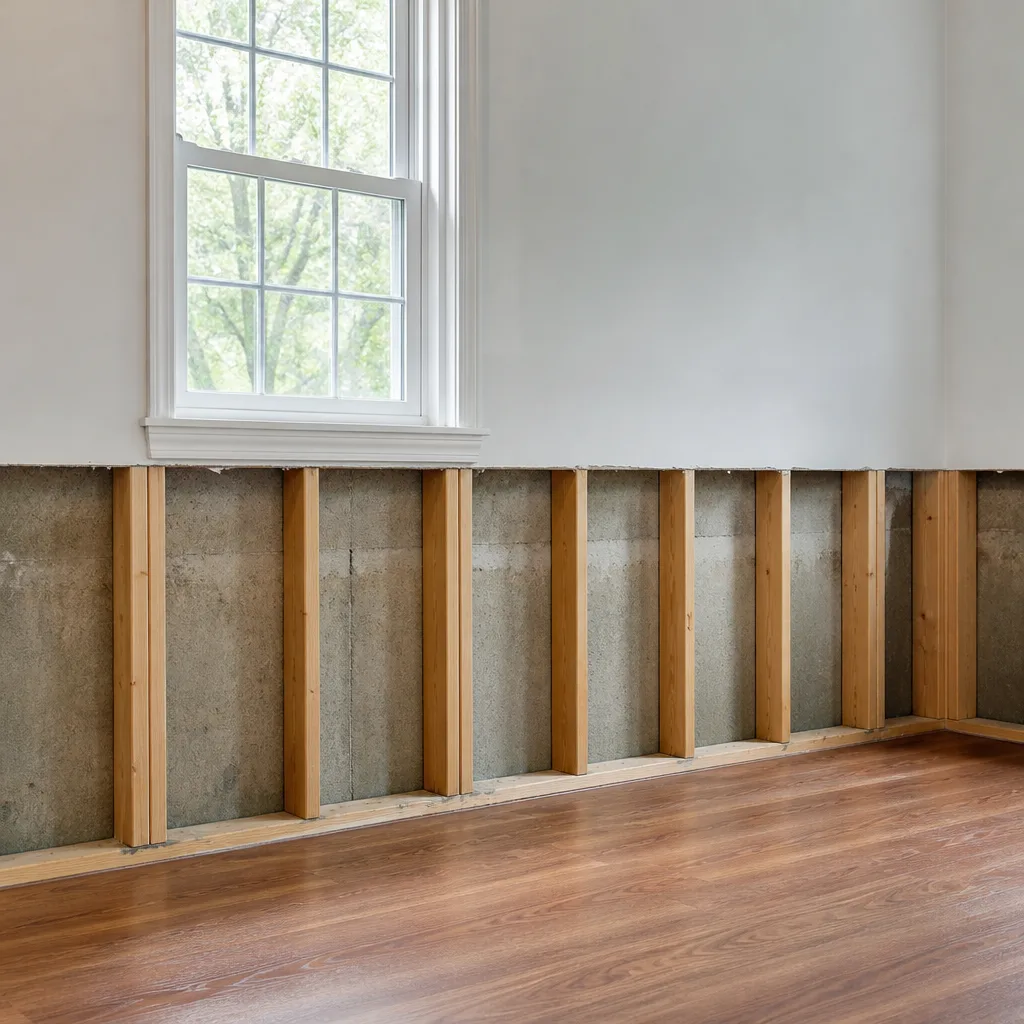
Structural drying. If water has reached wall cavities, subfloor, or the space between floors, drying requires injecting air into enclosed spaces with specialized equipment like the Injectidry system. Cutting access holes and forcing air through wall cavities is restoration work that California’s Contractors State License Board defines as requiring a C-61/D-64 (water damage restoration) specialty license when performed for compensation. For a homeowner on their own property, self-performance is legal. The problem is that without the training to know where to cut and how to measure interior cavity moisture, you’ll either miss moisture entirely or cause more damage than the water did.
Insurance coverage conditions. Most homeowners insurance policies in California include language requiring you to “protect the property from further damage” and to allow the insurer to inspect before major repairs. That doesn’t mean DIY is prohibited. It means undocumented DIY can create a coverage dispute. If you spend a week drying a kitchen leak, then file a claim for mold in the wall cavity, the adjuster will ask why you didn’t notify them when the leak happened. If you can’t produce moisture readings, photos, and a timeline, the claim gets complicated. More on that below.
Consumer Dehumidifiers vs. Professional Drying Equipment
The biggest false assumption in DIY water damage is that “a dehumidifier is a dehumidifier.” This is where square footage fails as the only decision metric, because the real question is whether the equipment you can rent or buy achieves the drying depth that prevents mold in Ventura’s humid coastal air.
Consumer dehumidifiers, the kind you buy at a big-box store for $200 to $300, are designed to reduce humidity in an already-dry room. They pull maybe 10 to 20 pints of water per day under ideal conditions. They work by drawing air across cold coils, condensing moisture, and exhausting warm, dry air. Where they fail in water damage scenarios is at lower humidity levels; as the room’s relative humidity drops, their efficiency drops sharply. They can’t push a room below about 45 to 50 percent relative humidity, which is exactly where structural drying needs to go.
Professional restoration companies use two categories of equipment that don’t behave like consumer units:
LGR (low-grain refrigerant) dehumidifiers. These pull 70 to 130 pints per day and keep working efficiently at humidity levels down to 30 percent or lower. They’re called “low-grain” because they remove moisture from air that’s already fairly dry, measured in grains per pound of air. A consumer unit can’t touch that range. LGR units from manufacturers like Dri-Eaz and Phoenix are designed to run continuously for days, and they’re the workhorse in any professional dry-out.
Desiccant dehumidifiers. These use a rotating silica gel wheel to physically absorb moisture from air, rather than condensing it. They work at any temperature and can drive air down to 15 percent relative humidity or less. In Ventura, where winter temps can dip into the 40s at night, desiccants matter because refrigerant-based units lose efficiency in cooler air. See our Seasonal Damage Restoration Care for Ventura: Year-Round Homeowner’s Guide for more on climate-specific drying challenges. Desiccant units are also the standard for drying hardwood floors without cupping or warping them.
The practical difference: a consumer dehumidifier can dry 10 square feet of wet tile in about two to three days. A professional setup with one LGR and three or four commercial air movers can dry 200 square feet of saturated carpet and pad in 72 hours, and can verify that the subfloor and wall cavities are dry with psychrometric readings (measuring the moisture content of the air inside wall cavities) that no homeowner tool can take.
We’ve also seen what happens when consumer equipment is used on the wrong job. The surface dries, the homeowner stops the machine, and the pad underneath stays at 20 to 30 percent moisture content. That’s a mold incubator. Given that mold growth starts between 24 and 72 hours in ambient conditions, the consumer dehumidifier has actually created a false signal of success while biological growth proceeds underneath.
California Contractor Law and Your Right to Self-Perform
Here’s what California law actually says, because a lot of what circulates online is wrong or incomplete.
Under the California Business and Professions Code, a contractor’s license is required for anyone who performs construction or repair work for compensation when the total cost (labor and materials) is $500 or more. The key phrase is “for compensation.” If you are a homeowner working on your own residence, you are not required to hold a contractor’s license. You can legally perform water extraction, drying, drywall removal, mold cleaning under 10 square feet, and even reconstruction on your own home, regardless of cost, as long as you’re not hiring unlicensed workers to do it.
Here’s where it gets tricky:
- You cannot hire an unlicensed “handyman” to perform water damage restoration. Restoration work as a trade falls under specialty contractor classifications. An unlicensed person who charges you for restoration work is breaking the law, and you as the payer carry some liability exposure.
- Structural work still requires permits. If water damage requires removing and replacing load-bearing framing, shear wall, or foundation elements, the Ventura building department requires permits and inspections regardless of who does the work. Self-performing the labor is legal; skipping the permits is not.
- Mold remediation over 10 square feet triggers professional standard-of-care requirements. If you self-perform and later sell the house, California’s real estate disclosure laws require you to disclose any known mold or water damage. A buyer’s inspector who finds evidence of amateur remediation can raise claims about improperly disclosed conditions.
What does this mean practically? It means the legal line isn’t about whether you can touch your own walls; it’s about whether you should, given that professional standard-of-care exists for a reason. Once water moves into structural cavities, the techniques and equipment required are trade-specific. The IICRC and RIA (Restoration Industry Association, which sets standards for structural drying and restoration) publish standards that courts treat as benchmark-of-care evidence in insurance disputes and construction defect cases. A professional who doesn’t follow them is negligent. A homeowner who doesn’t follow them may simply be exposed to loss that insurance won’t cover.
Insurance Claim Implications of Documented DIY Attempts
If there’s one section in this guide to read twice, it’s this one. The interaction between DIY restoration and insurance claims in Ventura is predictable once you understand how adjusters think.
When you file a water damage claim, your insurer’s first question is: when did the damage occur, and what did you do about it? The policy language requires you to mitigate further damage, meaning you’re expected to stop the source and begin drying. That’s protective, not punitive. But the claim itself gets evaluated on documentation, and this is where DIY attempts either support or sink a claim.
What helps a claim: Photos of the damage before you touched anything. A written timeline of when the water started, when you stopped the source, and what you did to dry it. Receipts for any equipment you rented or purchased. Moisture readings if you own a meter. In other words, documentation that shows you acted as a reasonable person would.
What hurts a claim: No photos because the cleanup was fast. A gap of several days between discovering water and beginning drying. The phrase “I thought it was dry.” Evidence that you used a consumer dehumidifier for three days on a Category 2 loss, then removed the equipment and discovered mold three weeks later. Adjusters see that pattern constantly, and it typically reduces the covered amount because the insurer will argue the mold growth was a failure to mitigate.
What doesn’t work in California: telling the adjuster you “handled it yourself” and expecting full coverage for resulting secondary damage. Secondary damage (mold behind walls, warped floors, delaminated cabinetry) is covered only to the extent that it wasn’t caused by the homeowner’s failure to dry properly. If a professional had documented the initial loss and performed professional drying, secondary damage is typically covered. If a DIY attempt can’t demonstrate standard-of-care drying, secondary damage may be denied or partially paid.
The distinction matters because professional restoration companies operate within this documentation framework as a matter of routine. Every Water Damage Restoration in Ventura project we handle includes before, during, and after documentation: moisture maps, equipment logs, psychrometric readings, and photo evidence. That file goes to the adjuster, and the claim is evaluated on evidence, not recollection. If you’re self-performing, you are your own documentation department, and the absence of documentation is interpreted against your claim.
One more thing: direct insurance billing is standard in professional restoration. We coordinate with adjusters, submit documentation in their required format, and handle the back-and-forth. That’s not a convenience. It’s a claim-management function that determines whether you recover what the policy says you should.
The Four-Question Decision Tree
Here’s the decision tree this guide promised. Answer four questions in order. When you hit a “no” or an answer outside the specified range, stop. The recommendation that follows is clear.
- Is the water Category 1 (clean supply line, not gray or black)? If no, call a professional. Category 2 and Category 3 water carry biological contamination that drying does not remove. This is a health decision before it’s a money decision.
- Is the affected area under 10 square feet? If no, call a professional. Above this threshold, the volume of water and the surface area for evaporation require commercial equipment to achieve a proper drying curve.
- Is the affected material non-porous (tile, sealed concrete, vinyl, linoleum)? If no, or if any porous material is saturated, call a professional. Porous materials wick moisture beyond the visible wet area. Carpet, pad, drywall, wood, and insulation hide water. What you see is never the full extent.
- Can you begin drying within 24 hours and verify with a moisture meter that the material is dry at depth, not just at the surface, within 72 hours? If no, call a professional. Time is the variable that determines whether you’re drying water or feeding mold. In Ventura’s coastal climate, the mold germination window is shorter than in drier inland areas.
If you answered yes to all four questions, you have a small, clean, non-porous, fast-caught water incident. A shop vac, a fan, a dehumidifier, and vigilance are probably enough. If you answered no to any question, you’re outside the DIY envelope, and the prudent move is a professional assessment.
Common Mistakes to Avoid
- Trusting the “feels dry” test. Surface dryness tells you nothing about the pad, the subfloor, or the wall cavity. A moisture meter costs $30 and prevents a $12,000 mold problem. If you’re going to DIY, buy one and use it.
- Using a box fan with no dehumidifier. Fans move air; they don’t remove moisture. What they do is speed evaporation, raising the relative humidity in the room. Without a dehumidifier to pull that moisture out, you’ve just accelerated the transfer of water from the floor into the air and then into your walls and furniture.
- Pulling up carpet without understanding pad replacement. Carpet can sometimes be saved if properly dried. Pad almost never can. If you peel back carpet to “let it air out” and leave it bunched, you’ll ruin the carpet through creasing and delamination. It would have been cheaper to call for professional extraction.
- Waiting to see if it dries on its own. Water doesn’t dry; it migrates. In a Ventura home with wood framing, a leak at the kitchen sink can travel along the subfloor to the adjacent wall and wick up the drywall without ever being visible. The longer you wait, the larger the affected area becomes.
- Bleaching visible mold. Bleach kills surface mold but doesn’t penetrate porous materials, and dead mold is still an allergen. The correct method is physical removal or HEPA-vacuumed containment, not chemical spraying. And again, over 10 square feet of mold triggers professional remediation standards under California guidance.
- Assuming insurance covers DIY “mistakes.” If your drying attempt fails and secondary damage develops, the insurer has a mitigation-failure argument. The claim may still be paid, but the amount will be reduced. A professional’s documentation prevents that argument from ever starting.
When to Call a Professional
Call a professional if the water is gray or black, if the affected area is over 10 square feet, if porous materials are saturated, if the water has been present for more than 48 hours, or if you see, smell, or suspect mold. Also call if the water has touched your HVAC system, electrical outlets, or any area you can’t see into. These scenarios are not DIY-able in any meaningful sense: the equipment isn’t available at rental counters, the standard of care isn’t documented by heat gun readings, and the health and safety stakes are real. Storm Damage Restoration in Ventura often involves Category 3 water from storm surge or flooding, which is never a self-perform project.
Marsh Water Damage Ventura offers free estimates across Ventura. Call (559) 242-4307 any hour, any day. A live person answers.
Frequently Asked Questions
Safe DIY cleaning applies only when the water is Category 1 (from a clean supply line or rain), the affected area is under 10 square feet, the material is non-porous, and drying starts within 24 hours with a moisture meter confirming dryness at depth within 72 hours. If any of those conditions fails, the job needs professional assessment. The classification matters more than the square footage, because gray water can look clean while carrying enough biological load to make drying alone insufficient.
Yes, a DIY mitigation attempt does not automatically void coverage, but it must be documented: photos before you touch anything, a written timeline, receipts, and ideally moisture readings. Without documentation, your insurer can argue that secondary damage like mold or structural warping resulted from a failure to mitigate. Professional restoration generates this documentation as a standard part of the job, which is one reason insurers prefer it.
Mold spores germinate in 24 to 72 hours under the right temperature and humidity conditions, and Ventura’s coastal climate (average relative humidity of 65 to 75 percent) shortens that window compared to drier inland California cities. If your drying process isn’t complete within 72 hours, you’re no longer drying water; you’re potentially feeding microbial growth. This is why the “wait and see” approach fails more often in Ventura than in Fresno or Bakersfield.
Consumer dehumidifiers pull 10 to 20 pints per day and lose efficiency below 50 percent relative humidity. Professional LGR dehumidifiers pull 70 to 130 pints per day and keep working down to 30 percent relative humidity or lower. Desiccant dehumidifiers use silica gel wheels to absorb moisture and work in cooler temperatures. The practical outcome is that consumer equipment can’t dry wall cavities or saturated subfloor to the depth required to prevent mold, while professional equipment can and does.
No permit is required for drying, extraction, or non-structural repairs on your own residence. Permits are required if the damage requires replacing load-bearing framing, shear wall, or foundation elements. You can legally self-perform the labor regardless of cost as a homeowner on your own property, but hiring an unlicensed person to perform restoration work for compensation is illegal under California contractor law.
Most residential water extractions in Ventura run between $1,200 and $4,500 depending on the affected square footage, water category, and drying time required. A small Category 1 kitchen leak might extract and dry in 3 days for under $2,000. A Category 2 washing machine overflow affecting multiple rooms can run $4,000 to $8,000. Sewage remediation starts around $5,000 and goes up from there. These are ranges, not quotes. Call (559) 242-4307 for an exact written price. Estimates are free.
The Bottom Line
The DIY-versus-professional question isn’t a judgment about your skills, and it isn’t really about money. It’s about moisture classification and the depth of drying required to prevent what comes after water: mold, warped framing, delaminating flooring, and the slow, expensive degradation of a home’s structure. In Ventura’s humid coastal climate, the margin for error is thinner than most homeowners realize. Small, clean, non-porous, fast-caught water incidents are DIY-appropriate. Everything else deserves a professional assessment, a written price, and documentation that protects your insurance position. That’s not gatekeeping. That’s the honest math of what water does when it gets into places it shouldn’t be. For more guides & resources on protecting your Ventura home, explore our blog. It’s what the name Marsh has always meant to us: low, wet ground, and the knowledge of what to do about it.
Written by Tobias Reyner, Owner at Marsh Water Damage Ventura, serving Ventura since 2005.
See the difference
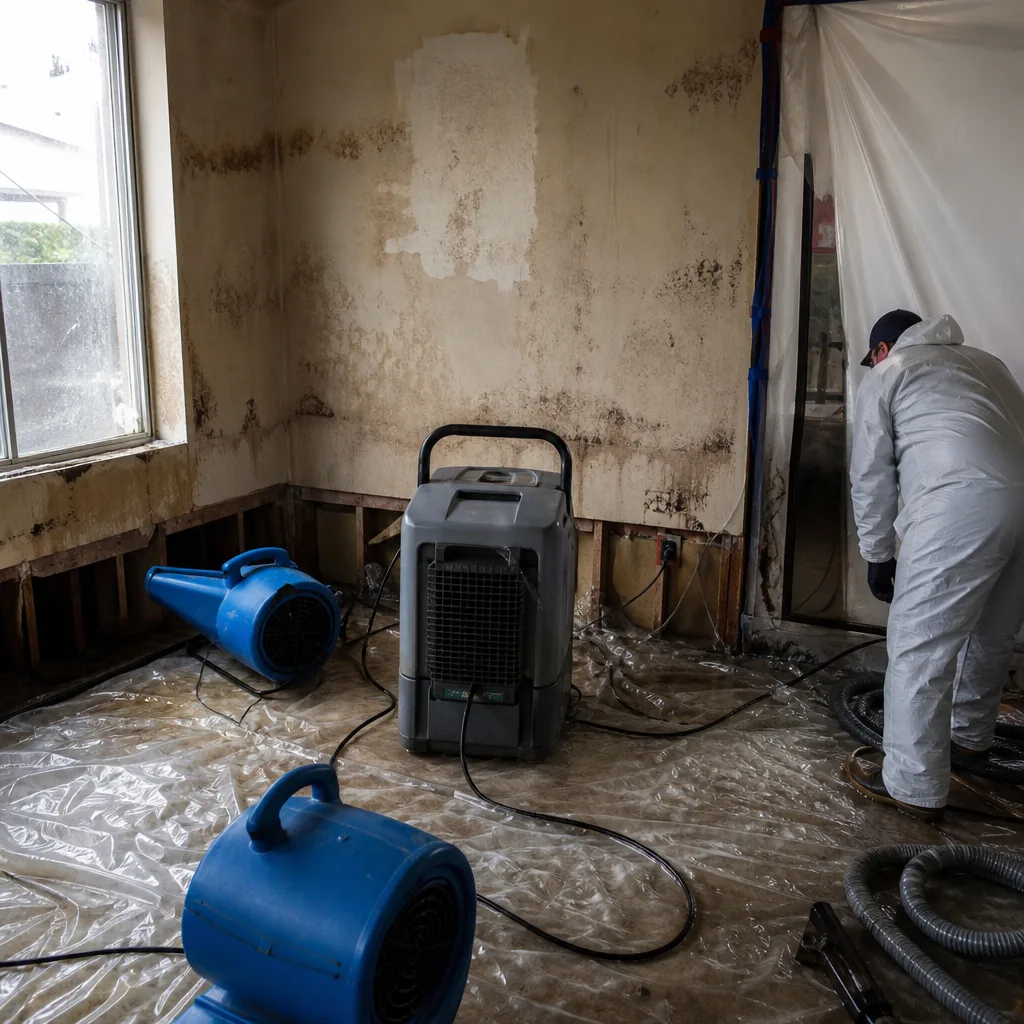 Before
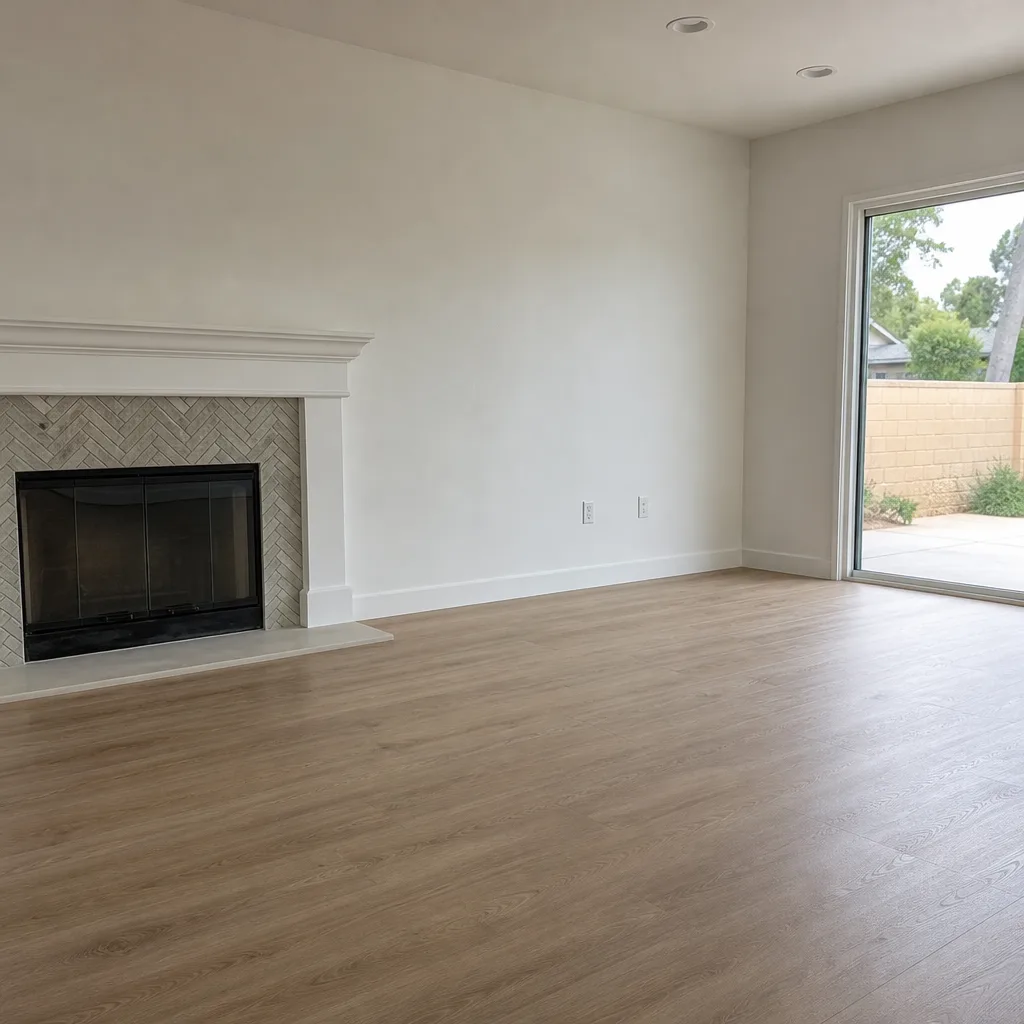
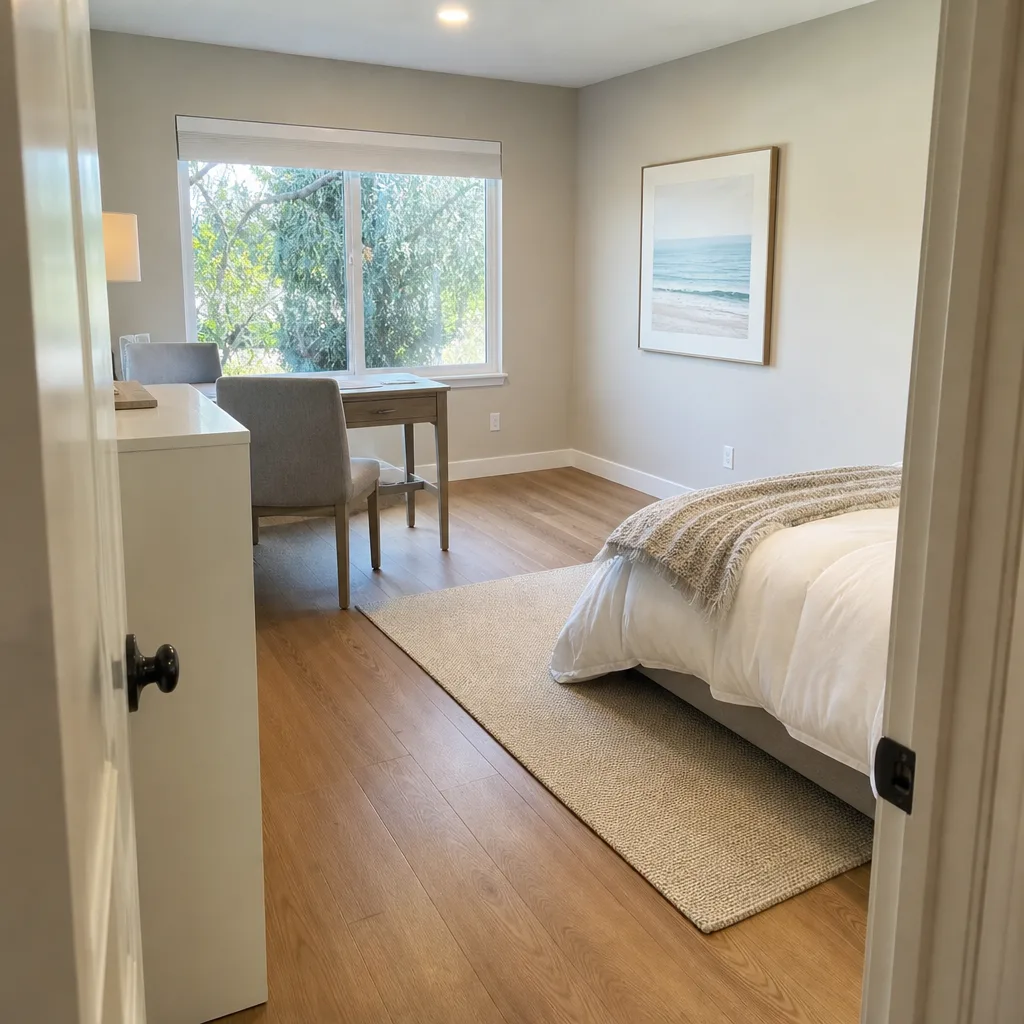 After
After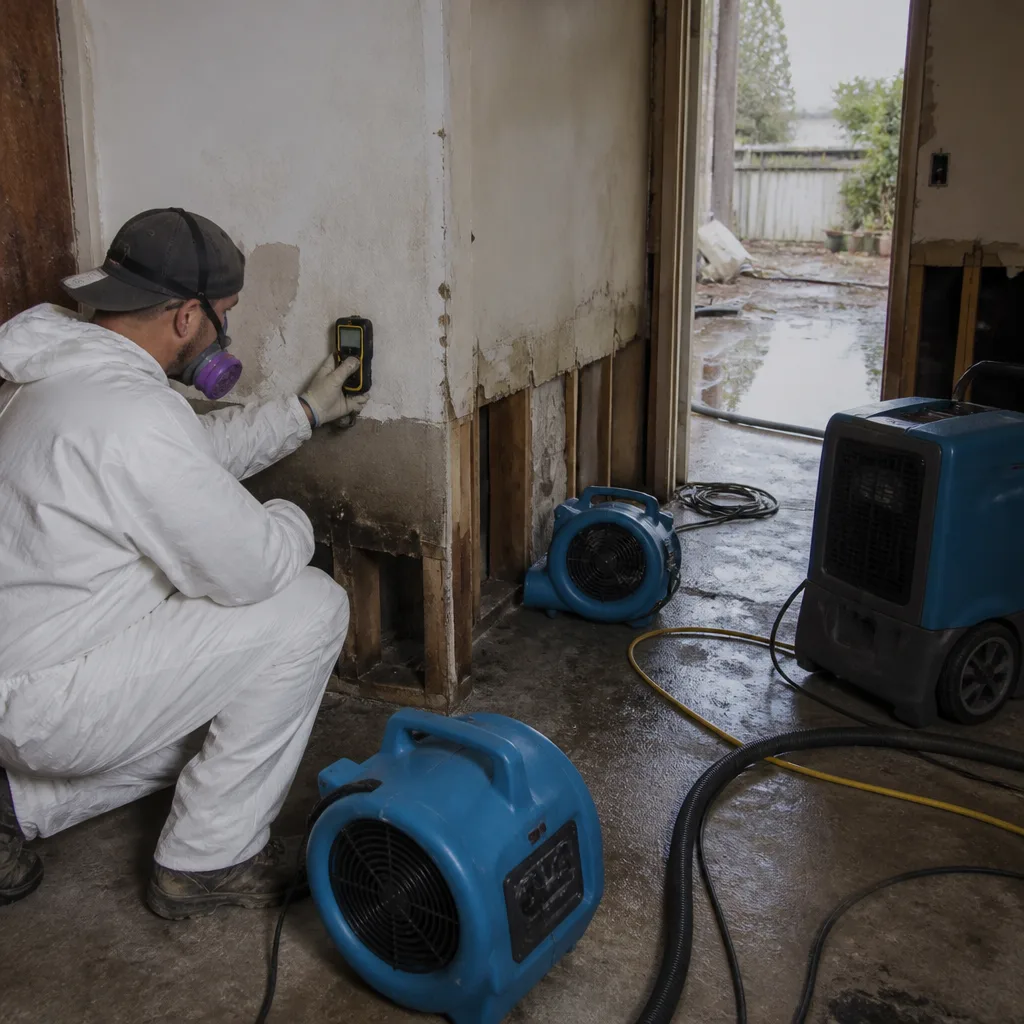 Before
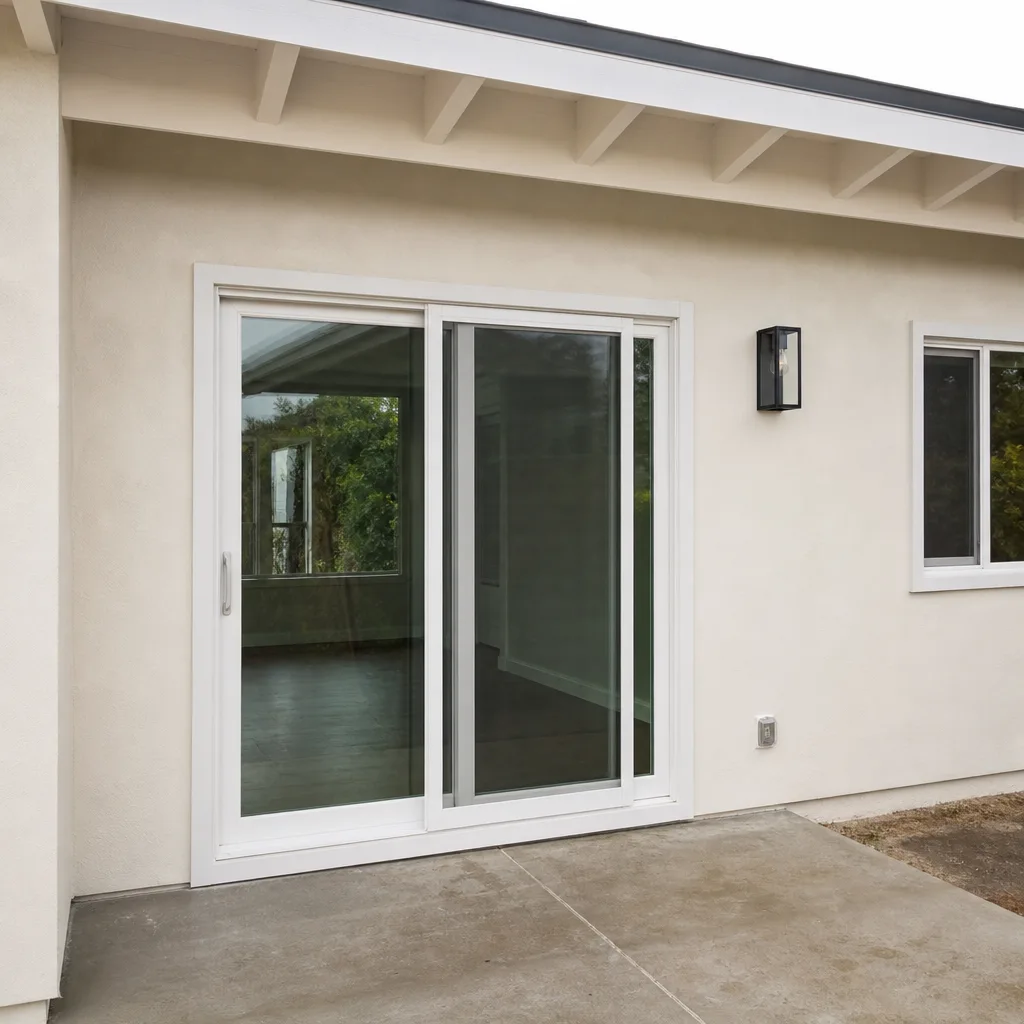 After
After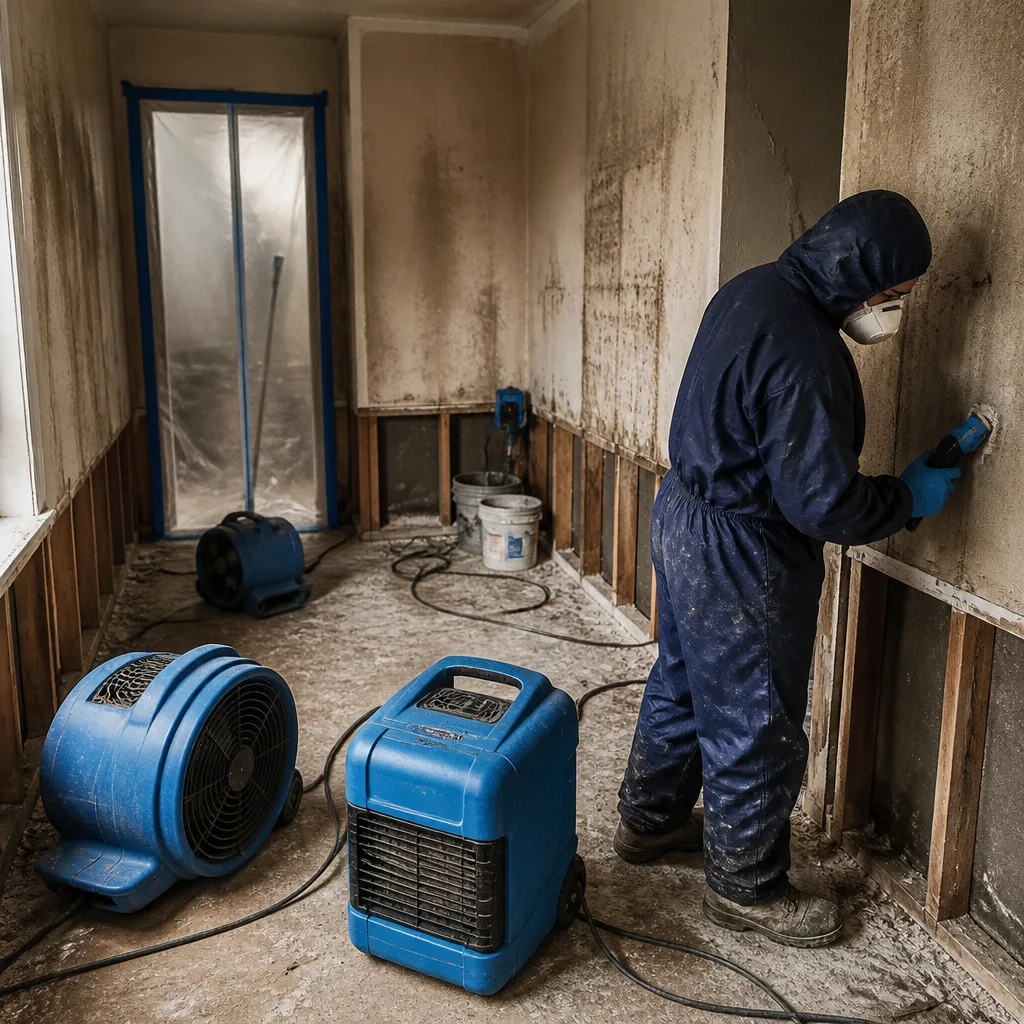 Before
 After
After