
Last updated October 16, 2026
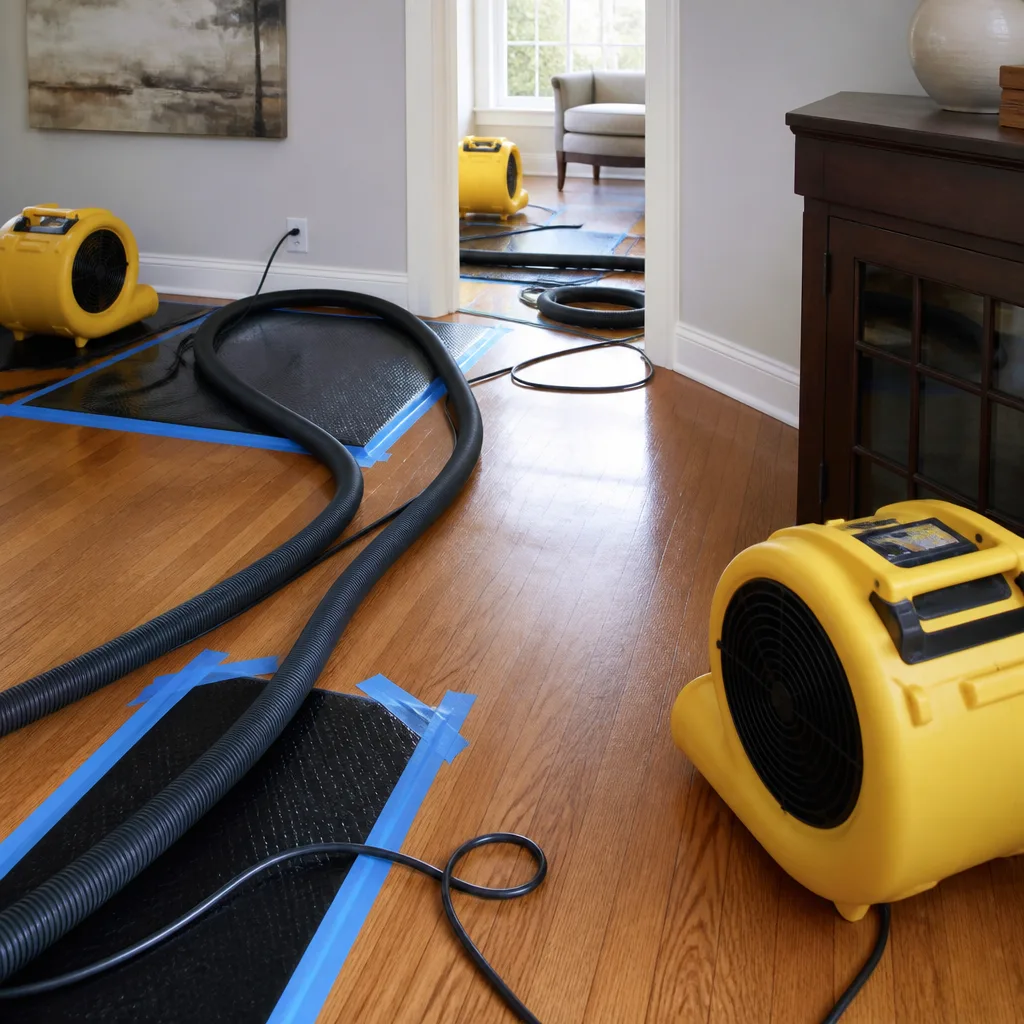 Water damage drying
 Fire & smoke cleanup
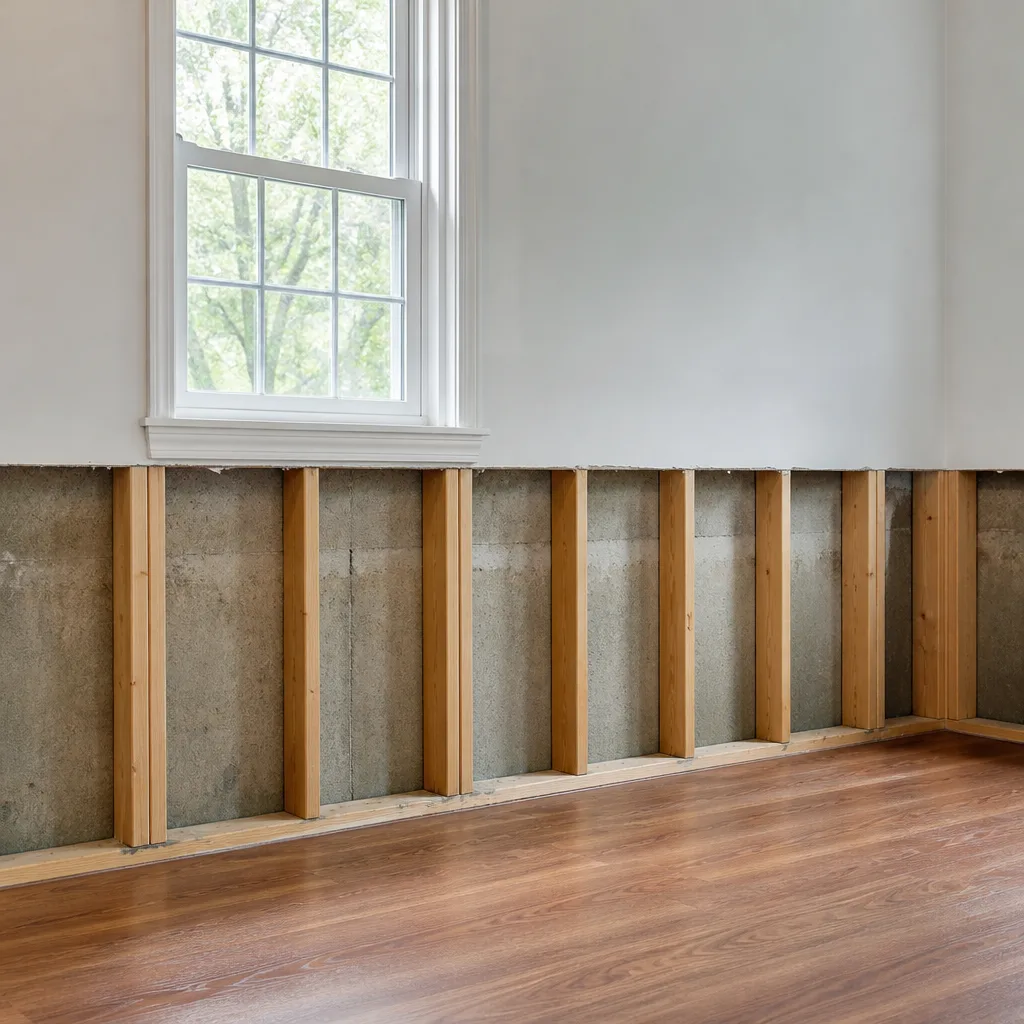 Mold remediation
 Storm response
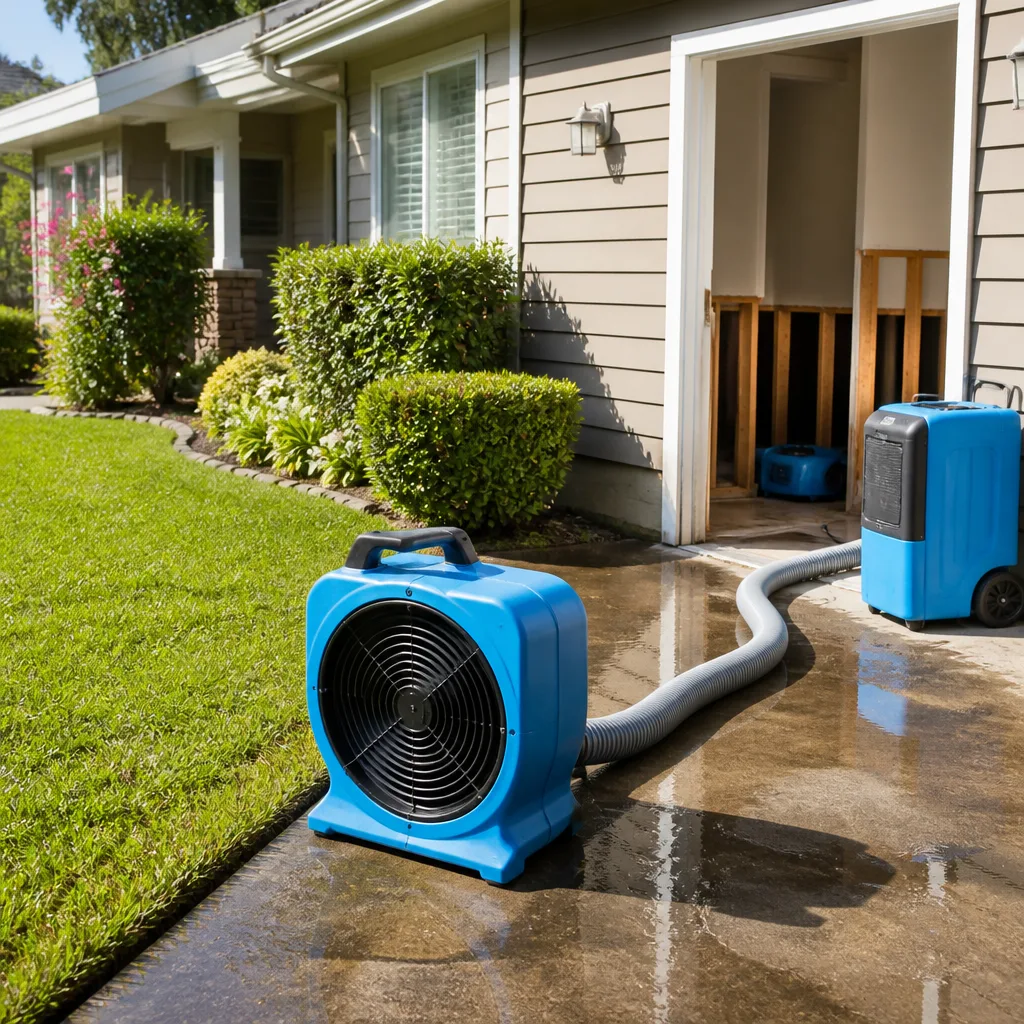 Sewage cleanup
 Reconstruction
Free visual inspection and a written scope of work before any mitigation begins - photos, moisture readings, and drying logs go in your claim file
The scope we write is the scope we bill. Anything new gets shown to you, in writing, before we touch it.
Get your free estimateHow to Hire a Damage Restoration Contractor in Ventura: A Step-by-Step Guide
Here’s the uncomfortable truth about hiring a damage restoration contractor in Ventura: by the time you’re making the call, you’re already at a disadvantage. Water is spreading into your subfloor. Mold is colonizing the drywall. The clock is running, and every contractor you call knows it. But the moment most homeowners hire the wrong company isn’t when they sign the contract. It’s in the first phone call, when panic substitutes for the four questions that would have disqualified a bad company in under two minutes. This guide gives you those questions, walks through how to verify licenses, explains what a written guarantee should actually say, and tells you how to confirm who’s showing up at your door before you hand over a key or door code. For a broader overview, see our Complete Guide to Damage Restoration in Ventura.
Restoration work we handle
Quick Answer
To hire a damage restoration contractor in Ventura, call and ask four specific questions: Is your restoration work performed by employees or subcontractors, and who exactly will be at my door? What’s your contractor license number so I can verify it on the CSLB website? Will you put your price in writing before any work starts? And what does your guarantee cover, for how long, and what happens if the repair fails? A company that answers all four clearly and verifiably is worth a site visit. A company that hesitates, deflects, or says “don’t worry about it” should end the call.
Table of Contents
- Why the First Phone Call Is the Hiring Test
- The Four Questions to Ask on the First Call
- How to Read a CSLB License Lookup in Ventura
- Mitigation-Only vs. Full-Service Restoration: Why It Matters
- What a Written Price Guarantee Should Say in California
- How to Verify Who Specifically Is Showing Up
- Common Mistakes to Avoid
- When to Call a Professional
- Frequently Asked Questions
- The Bottom Line
Why the First Phone Call Is the Hiring Test
In California, any person with a $200 business license and a pickup truck can legally call themselves a “water damage specialist.” There is no state license category specifically for restoration. The Contractors State License Board (CSLB) licenses general contractors, plumbers, roofers, and electricians, but “restoration” is not its own classification. This means the burden of vetting falls entirely on you, the homeowner in Ventura, usually at 11 p.m. on a Tuesday with water pooling around your water heater.
That first phone call tells you more than any website ever will. How the person answers, whether they’re willing to give you information in writing, whether they treat your questions as reasonable or as an annoyance; these are the tells. In our experience across Ventura, the companies that resist verification on the phone are the same ones that resist it on the work order. A legitimate water damage restoration company in Ventura operates as if every claim will be checked, because the good ones are.
What you’re looking for in that first call is not just competence. You’re looking for transparency that survives contact with a skeptical homeowner. Here’s what a good first call sounds like: a live person picks up, gives you their name, asks where in Ventura you are, asks what you’re seeing, and then offers to send someone out while walking you through what to do in the next 30 minutes to stop the spread. A bad first call sounds like: “We’ll get someone out when we can,” or a voicemail that doesn’t call back for three hours.
The Four Questions to Ask on the First Call
Before you describe your situation in detail, or immediately after you’ve given them the basics, ask these four questions. They take under two minutes combined, and the answers will disqualify most of the companies you should not hire. Write them down. Put them on a notepad by the phone. When water is rising, you will not remember them.
- “What’s your CSLB license number?” Every legitimate general contractor in California has a six-digit CSLB license. If they have one, they’ll give it to you without hesitation. Write it down and verify it on the CSLB website while you’re still on the phone or immediately after. If they don’t have one, can’t find it, or tell you “we work under someone else’s license,” end the conversation. Working under someone else’s license is illegal in California unless they are a properly compensated employee of that licensee. It also means the person you’re talking to may have zero legal relationship to the company that would actually do the work.
- “Are the people who will do the work your employees, or are they subcontractors?” Subcontracting is common in restoration, and it isn’t automatically bad. But it creates a chain of accountability. If a subcontractor tears out carpet and the work is substandard, who fixes it? If a subcontractor is injured in your home, whose insurance covers it? A clear answer is what you want. “We have our own technicians and occasional specialty subs” is fine, as long as they can tell you who you’d be dealing with. “We’ll send whoever’s available” is not a plan, it’s a prayer.
- “Will you put your price in writing before any work starts?” The answer must be yes. Not “yes, but it depends on what we find.” Not “we’ll give you a range.” A written price for the scope of work agreed upon before a technician sets up equipment. Restoration is unpredictable; hidden damage exists. But a professional company writes a scope, puts a price on it, and if conditions change, writes an addendum you approve in writing. A company that refuses a written price is planning to charge you whatever it can once your walls are open.
- “What does your guarantee cover, for how long, and what happens if the repair fails?” Listen carefully to this answer. “We guarantee our work” with no timeframe and no process is not a guarantee; it’s a sentence fragment. You want specificity: what’s covered, for how long, and exactly what happens if something is not right. If they can’t answer this crisply on the first call, they won’t answer it crisply when the work is done and the bill is paid.
These four questions will disqualify, conservatively, half the restoration companies you call in Ventura. That’s the point. You’re not looking for the company that gives you the best feelings. You’re looking for the one that survives the most basic scrutiny.
How to Read a CSLB License Lookup in Ventura
The CSLB website (cslb.ca.gov) has a “Check a License” tool that lets you enter a name, license number, or business name. When you run a Ventura contractor through it, here’s what to actually look at, and what it means.
License classification. A “B-General Building” classification means the contractor can perform a wide range of building work, including most restoration and reconstruction. It is the classification most reputable restoration companies hold. A “C” license covers a specialty: C36 is plumbing, C54 is tile, C61 is a catch-all for limited specialty work. Some restoration companies only hold a C61, which in the restoration context often means they’re limited to specific types of work like board-up or carpet cleaning. If a company claims to do full structural drying, demolition, and rebuild, a B license is the standard to look for. If they only hold a C61, ask what specific D-64 or other sub-classification they hold and what it covers.
License status. “Active” is what you want. “Suspended,” “Revoked,” or “Expired” means the company has no legal authority to contract in California right now. If the status isn’t active, hang up.
Workers’ compensation insurance. The CSLB listing shows whether the contractor carries workers’ comp. If they have employees and the listing says workers’ comp is “Not Required” or “Exempt,” the CSLB has determined they have no employees requiring coverage, likely because they use only subcontractors. This loops back to Question 2 in your first call. If they claimed to have employees but the CSLB says they don’t, someone is not telling you the truth.
Bond and liability insurance. The CSLB requires a contractor’s bond (usually $25,000 for general contractors), but general liability insurance is not the same thing. Ask for a certificate of insurance directly from the company. A restoration contractor in Ventura should be able to email you a certificate naming you as additionally insured for the work. If they can’t or won’t, ask yourself why.
This is not bureaucratic fussiness. Restoration work involves demolition, water extraction, drying equipment running for days, and sometimes mold disturbance. If something goes wrong – a technician drops a dehumidifier on your hardwood floor, or a hose bursts and floods the next room – you want a company with real insurance, not a bond that maxes out at twenty-five thousand dollars and a handshake.
Mitigation-Only vs. Full-Service Restoration: Why It Matters
The restoration industry splits roughly into two types of companies, and the difference determines how much project management falls on you.
Mitigation-only companies do the emergency work: extract water, set up drying equipment, tear out wet drywall, treat for mold, and stabilize the property. They stop the damage from spreading. When the drying is done, they pack up their fans and leave. If your subfloor needs replacement, if the kitchen cabinets need to be rebuilt, if drywall needs to be hung and painted, that’s someone else’s problem. Your problem, actually.
Full-service restoration companies do the mitigation and the reconstruction. Same company, same project manager, same accountability. The water gets extracted, the structure gets dried, and then the same crew (or the same company’s rebuild division) restores the home to pre-loss condition.
Hiring a mitigation-only company when you need full restoration doubles your project management burden. You’ll coordinate two contracts, two schedules, two sets of insurance paperwork, and two companies that will each blame the other if something isn’t right. We see this in Ventura regularly: a homeowner calls a mitigation company for a slab leak, that company dries the floor and leaves, and then the homeowner spends three weeks finding a contractor to rebuild the kitchen while living out of a microwave.
If your damage is small and contained – a single room, clean water from a supply line, no structural impact – a mitigation-only company might be fine. If the damage touches multiple rooms, involves sewage or groundwater, or has been present for more than 48 hours, you want full-service. Ask the question on the first call: “If my subfloor needs replacing, will you handle that, or do I need to find someone else?” The answer tells you exactly which type of company you’re talking to.
What a Written Price Guarantee Should Say in California
A written price guarantee is only as good as the language on the page. In California, a written estimate that’s too vague is legally unenforceable in any meaningful way, and some companies count on that. Here’s what a written price should contain, and the three phrases that make a “guarantee” meaningless.
What it should contain:
- A line-item scope of work, not a lump sum. “Water extraction and drying: $X” isn’t enough. You want items broken out: extraction, equipment setup, daily monitoring, demolition, drywall disposal, antimicrobial application, and so on.
- A clear price for each line item, or a clear unit price with an estimated quantity. Unit pricing is common in restoration because hidden damage exists. What matters is that the unit price is on the page before work starts.
- A written process for change orders. The document should state that any additional work discovered during the project will be documented in a written change order that you must approve before the work proceeds. This is the difference between a professional scope and an open checkbook.
- A defined timeframe for the work, or at minimum a defined monitoring schedule so you know when technicians will be in your home and when the equipment comes out.
- The guarantee terms in writing: what’s covered, for how long, and what happens if it isn’t right. If this section is missing, the guarantee doesn’t exist.
Three phrases that make a guarantee meaningless:
- “We guarantee your satisfaction.” Satisfaction is subjective. It can’t be measured, verified, or enforced. It’s a warm feeling printed on a business card.
- “Lifetime warranty.” Lifetime of what? The company? The repair? The person who signed the contract? Without a definition, it’s marketing language. In California, a warranty longer than a year must be covered by a written warranty document that complies with specific legal requirements. Most “lifetime” claims are not.
- “We stand behind our work.” Standing behind something is a metaphor. A guarantee is a contract term. If the company can’t tell you what happens when you call to say the repair failed, they’re not standing behind anything; they’re standing behind a phrase.
At Marsh Water Damage Ventura, our approach is straightforward: every job gets a written price before any work begins, and every repair carries a written guarantee. The guarantee is specific: if the repair is not right within 365 days, we make it right, and a second visit to do so is included automatically. It’s printed on the work order. Not as marketing language, but as a commitment with our name on it.
How to Verify Who Specifically Is Showing Up
Here’s a scenario we hear too often from Ventura homeowners, especially those who are home alone with young children or older residents who live by themselves: a homeowner calls a restoration company, gets a generic confirmation, and then opens the door to someone who says “I’m here from the water company” but has no identification, no uniform, and no way to prove they’re supposed to be there. It’s a vulnerability no one should have to accept.
The company name on the contract matters. So does the person standing in your doorway. Before you hand over a key, a door code, or access to a home where your family sleeps, you should know exactly who is coming. That means:
- Ask for names in advance. “Who will be at my house, and what are their names?” A professional company can tell you. If they can’t, that’s a red flag.
- Ask for a photo. Some companies send a text with the technician’s name and photo before the visit. This is the standard we apply at Marsh Water Damage Ventura through what we call the Threshold Standard: every technician is background-checked, identity-verified, uniformed, and photo-badged, and you receive their name and photo before they arrive.
- Check the badge at the door. When they arrive, they should show a photo ID badge that matches the name and face you were sent. No badge, no entry. It’s not rude; it’s basic security, and any professional expects it.
- Don’t accept “I work with” or “I’m a sub for.” If the person at your door can’t clearly state their relationship to the company you hired, don’t let them in. Call the office and confirm.
This isn’t paranoia. It’s the same level of verification you’d apply to anyone you let into your home, and restoration technicians spend hours in your living space, often when you’re not home. Knowing who they are, in advance, with verification at the door, is the baseline of a professional operation.
Common Mistakes to Avoid
- Calling your insurance company first and asking “who do you recommend?” Insurance preferred vendor lists are not curated for quality. They’re curated for cost control. The insurance company’s primary interest is minimizing payout; your primary interest is restoring your home correctly. Use your adjuster for coverage questions, not for contractor recommendations.
- Hiring based on the first Google result or the largest ad. Pay-per-click ads in Ventura are dominated by national franchises that sub out local work to whoever’s available. A big ad budget is not a big competency signal. Verify the company’s actual presence: a local Ventura address, a local phone number answered by a local person, and a CSLB license in good standing.
- Signing a work authorization before reading it. Work authorizations often contain assignment of benefits clauses that give the contractor the right to bill your insurance directly and collect payment from your claim. In some cases, you may be signing away your right to dispute charges with your insurer. Read what you’re signing, or have someone who understands it read it with you. If the contractor pressures you to sign immediately, that’s a signal worth listening to.
- Skipping the CSLB lookup because “the company seemed nice.” Nice is not a license. Five minutes on cslb.ca.gov tells you whether the company has a valid license, workers’ comp, and active status. Skipping this step because you’re stressed and the person on the phone was pleasant is the single most common hiring mistake we see in Ventura.
- Assuming the drying equipment is working because it’s running. Professional restoration companies use tools like moisture meters and psychrometric readings (measuring the moisture in the air and in materials) to confirm a structure is genuinely dry, not just dry on the surface. Equipment from manufacturers like Dri-Eaz, Phoenix, XPOWER, and B-Air provides the airflow and dehumidification, but someone has to measure the results. Ask how the company determines the drying is complete. If the answer is “the equipment is running,” walk away.
- Choosing a company that can start in two hours over one that can start in twenty-four. Faster is not always better. A company that’s instantly available is often instantly available because nobody else hires them. A reputable restoration company with real credentials and real workload may take a day to get to you. For water damage, the critical window is 24-48 hours before mold begins growing, so a next-day start is usually acceptable, especially if the company walks you through immediate steps you can take yourself (shut off the water source, move belongings, mop up standing water if safe).
- Not asking about mold testing and remediation credentials separately. Water damage and mold are related but not identical skill sets. If your home has visible mold or a water event older than a few days, ask specifically about mold remediation training. Mold remediation in Ventura requires specific protocols to avoid cross-contamination during the removal process. A company that’s excellent at drying may not be the right choice for a mold job, and vice versa.
When to Call a Professional
Some water events are manageable on your own: a small spill from an overflowing sink, cleaned immediately, with a mop and a fan, in a room with no carpet or drywall contact. Most are not. Call a professional if water has contacted drywall, flooring, or subfloor; if the water source is sewage or groundwater; if the water has been present for more than a few hours; or if you see or smell mold. Electrical hazards from water contact with wiring are a serious safety concern, and wet structural materials lose integrity quickly. In Ventura, where older homes are common and many predate modern building codes, water intrusion into lath-and-plaster walls can hide damage that isn’t visible on the surface. Our Water Damage Restoration Maintenance Checklist for Ventura Homeowners can help you spot risks before they become emergencies. Marsh Water Damage Ventura offers free estimates in Ventura – call (559) 242-4307 if you’re unsure whether your situation needs professional attention.
Frequently Asked Questions
Most residential water extractions in Ventura run between $1,500 and $4,000 for a contained single-room event, with the cost driven by the amount of water, the surfaces affected, and the number of days drying equipment runs. Larger losses that touch multiple rooms or require structural drying can push past $10,000, and reconstruction costs are separate. Call (559) 242-4307 for a written estimate based on your specific situation.
A reputable company should have someone at your property within 24 hours of your call, and sooner if the situation involves sewage, groundwater, or active water flow. Within the first 48 hours, mold can begin to colonize wet materials, so the window for mitigation is real. That said, a company that promises instant service at any hour should still be vetted like any other, because availability is not a substitute for credentials.
It depends on your policy and the source of the water. Sudden and accidental events like a burst pipe or a water heater failure are typically covered under standard homeowners policies, while gradual leaks, flooding, and groundwater intrusion usually are not. If you have coverage, look for a restoration company that documents the damage photographically and coordinates directly with your adjuster; that documentation is often the difference between partial and full claim approval.
Not always. If the water event is caught and dried within 24-48 hours, and no visible mold is present, testing is usually unnecessary. If the damage is older, if you smell a musty odor, or if you see discoloration on walls or ceilings, a mold assessment is warranted. Ventura’s coastal humidity means porous materials dry more slowly than they would inland, which extends the mold risk window compared to places like Bakersfield or Fresno. For guidance on protecting your home throughout the year, read our Seasonal Damage Restoration Care for Ventura: Year-Round Homeowner’s Guide.
A public adjuster is a licensed professional you hire to represent your interests against your insurance company, and they typically charge a percentage of your settlement. A restoration company that works with insurance documents the damage, provides estimates, and bills the insurer directly, but doesn’t act as your legal representative in a claim dispute. Most homeowners don’t need a public adjuster for straightforward claims, especially if their restoration company provides thorough photo documentation and a written scope of work.
Check three things: a physical Ventura location or service area that’s clearly documented, a history that can be verified (look for a founding date, not just a website), and a CSLB license that’s been active for multiple years. Companies that route calls through national call centers often can’t tell you which technician will arrive or where they’re based. Marsh Water Damage Ventura has served the area since 2005, and every call is answered by a live person, 24 hours a day, seven days a week, including holidays.
The Bottom Line
Hiring a damage restoration contractor in Ventura comes down to verification, not trust. Trust is what you extend after verification has already happened. Ask the four questions on the first call. Run the CSLB lookup. Read the written estimate before you sign it. Confirm who’s showing up at your door, by name and by photo, before you open it. The companies that pass those tests are the ones that treat your home like a responsibility rather than a revenue event. Browse our more guides & resources to stay prepared before disaster strikes. The companies that fail them are telling you everything you need to know, in the first two minutes, for free.
Written by Tobias Reyner, Owner at Marsh Water Damage Ventura, serving Ventura since 2005.
See the difference
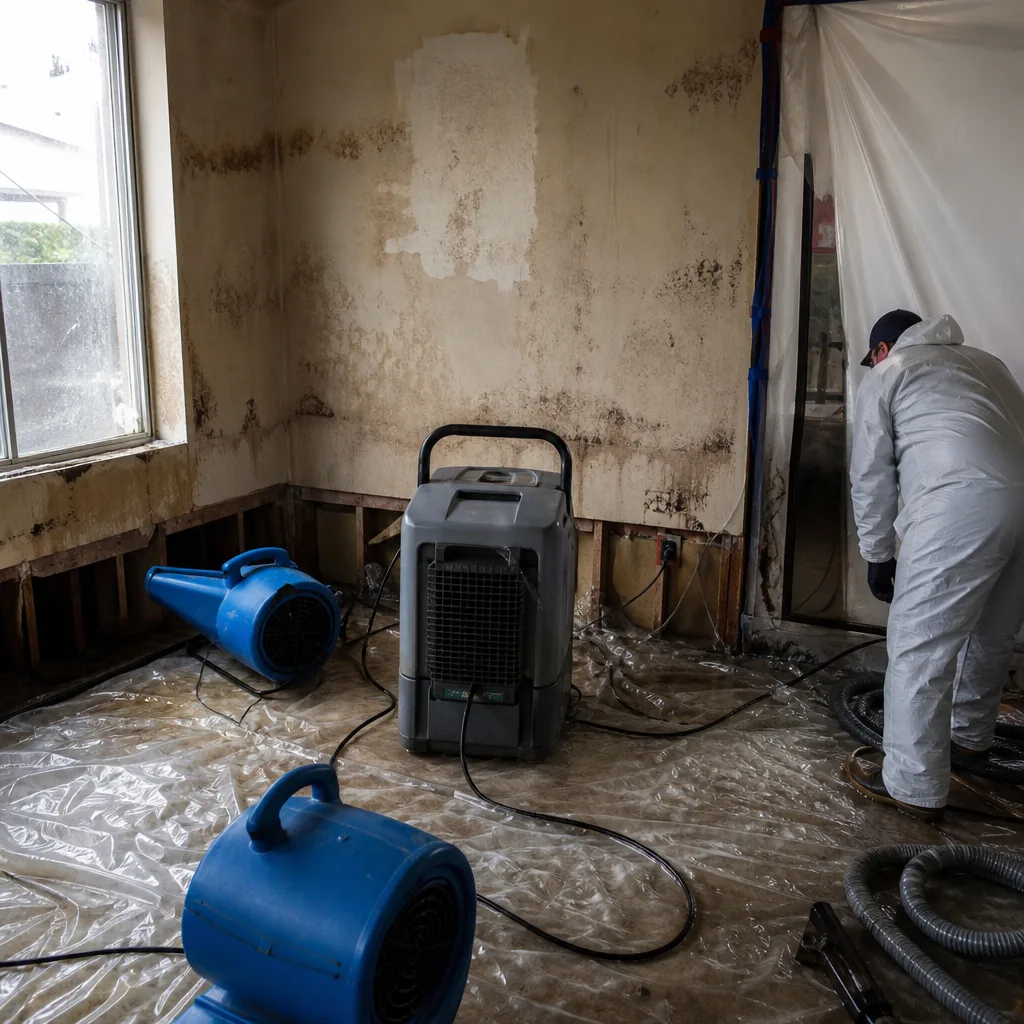 Before
 After
After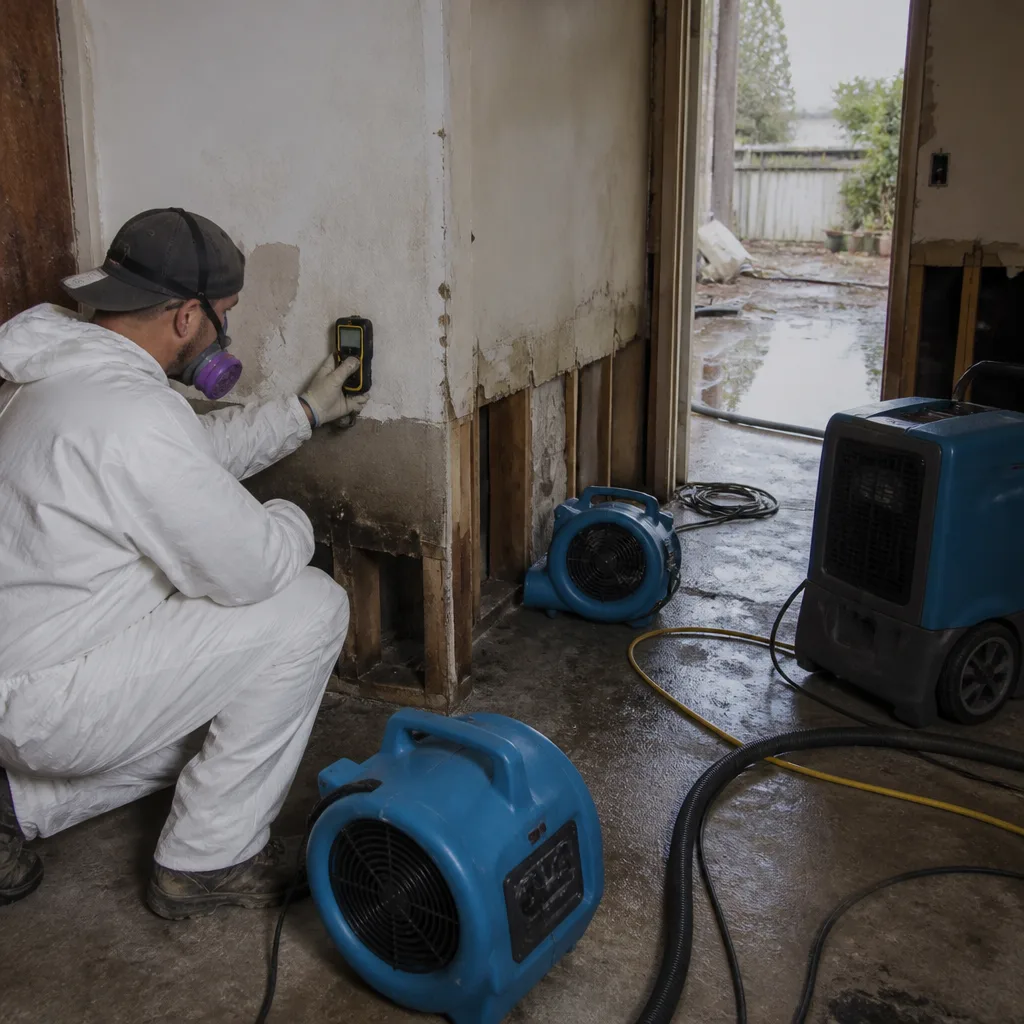 Before
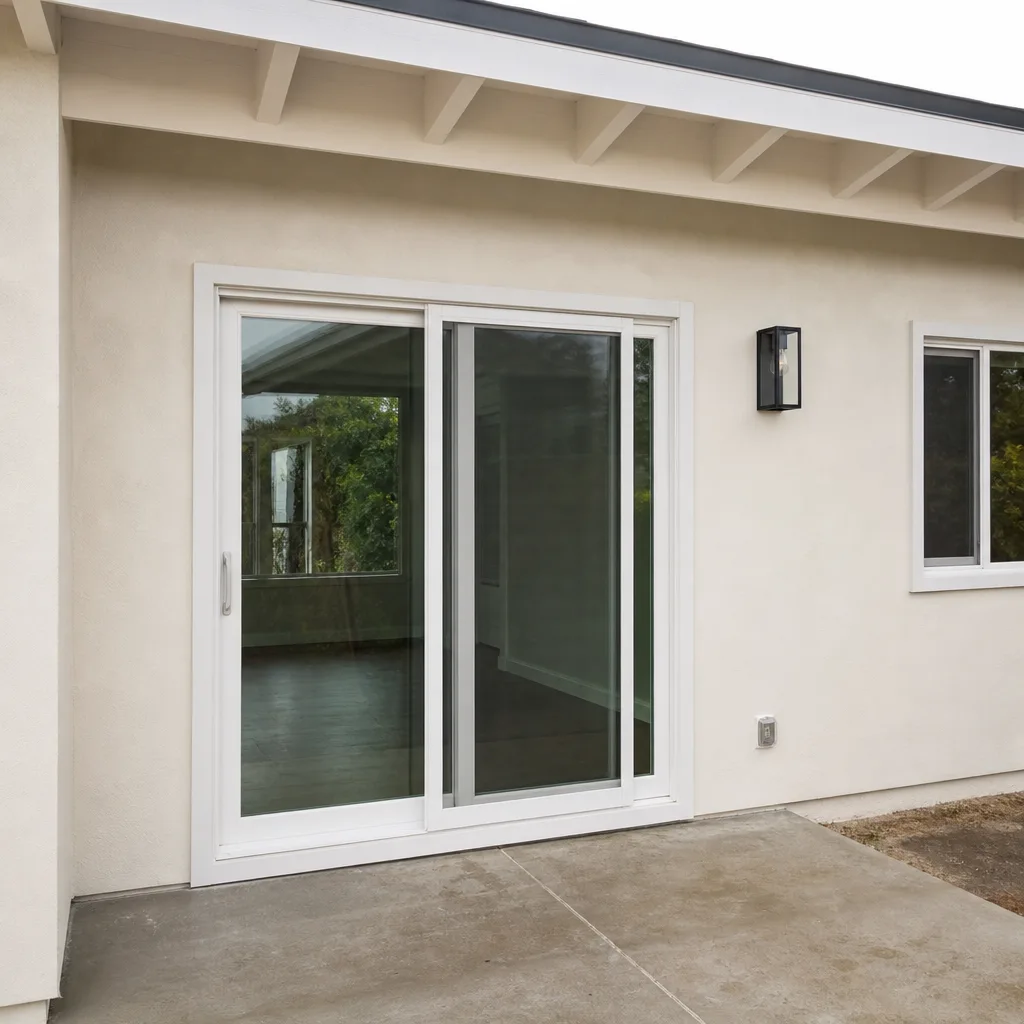 After
After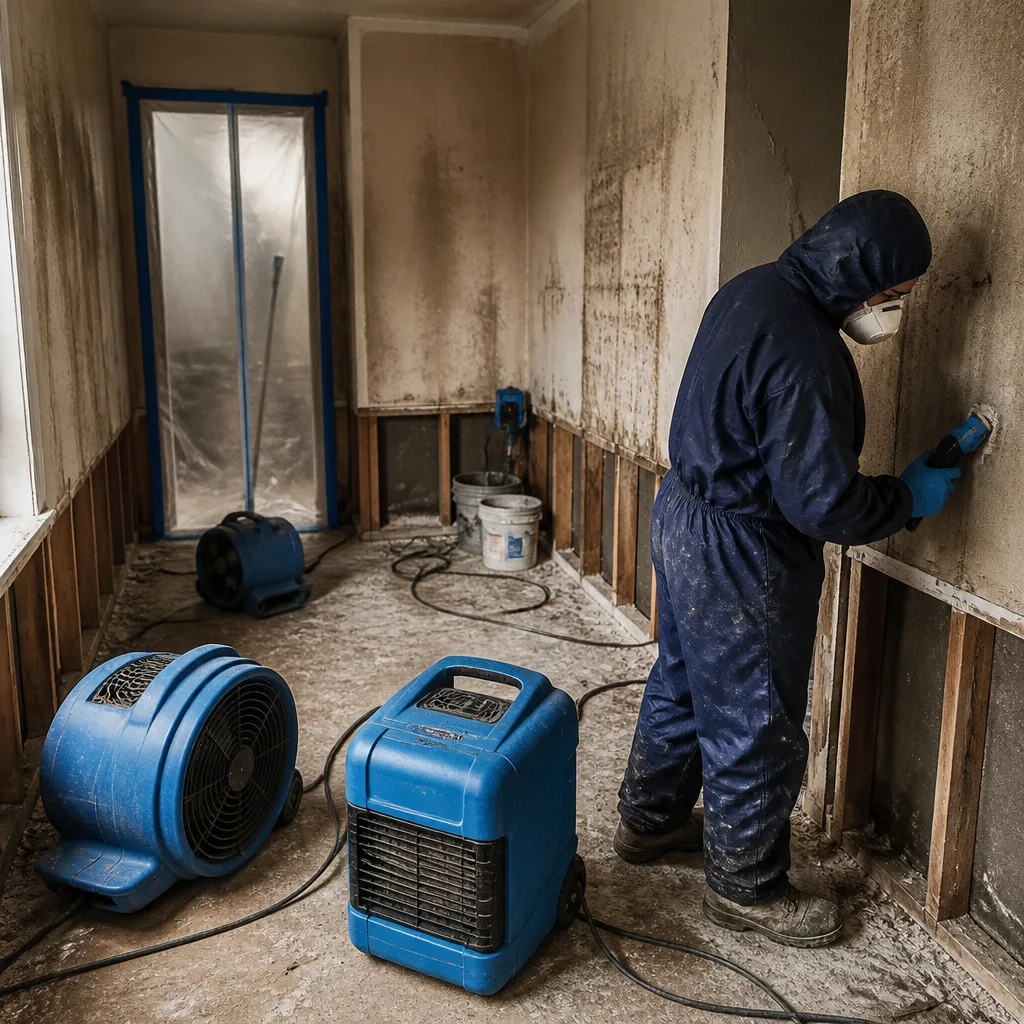 Before
 After
After