
Last updated October 16, 2026
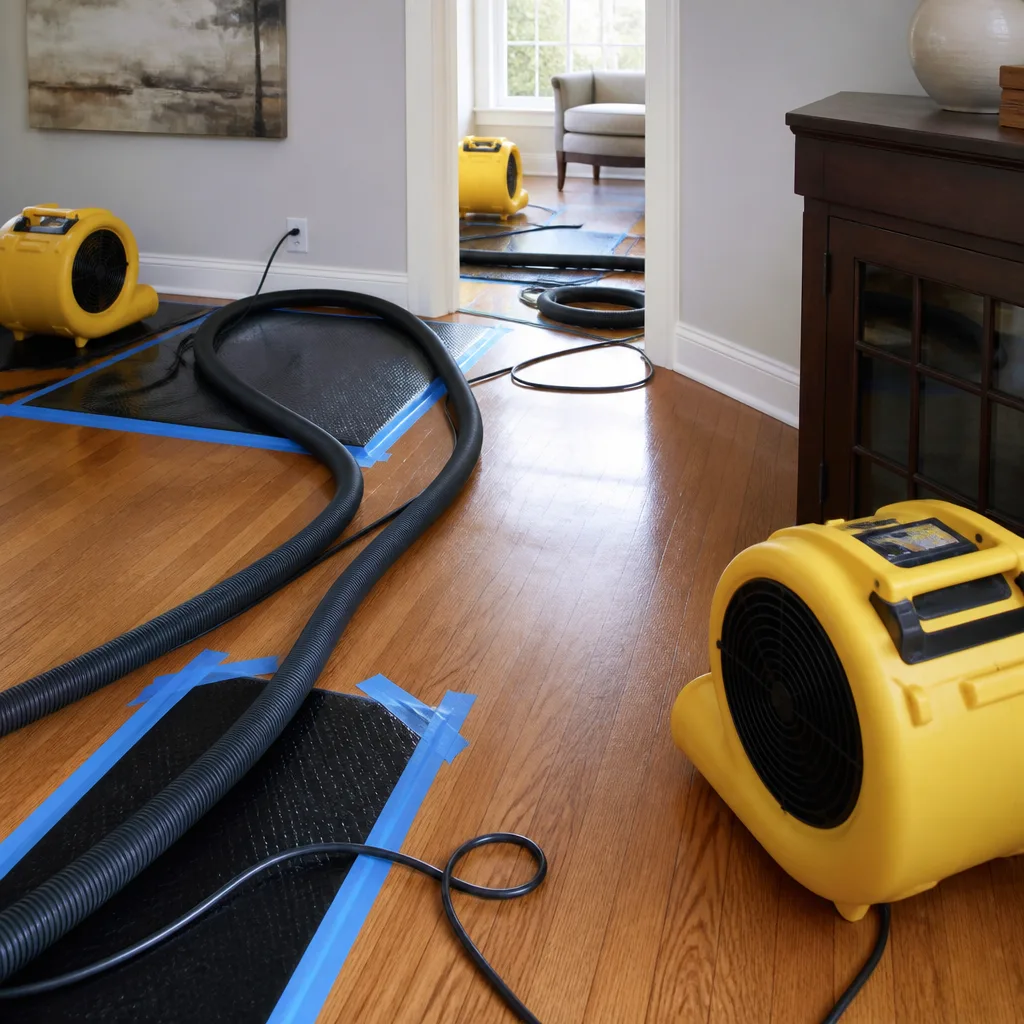 Water damage drying
 Fire & smoke cleanup
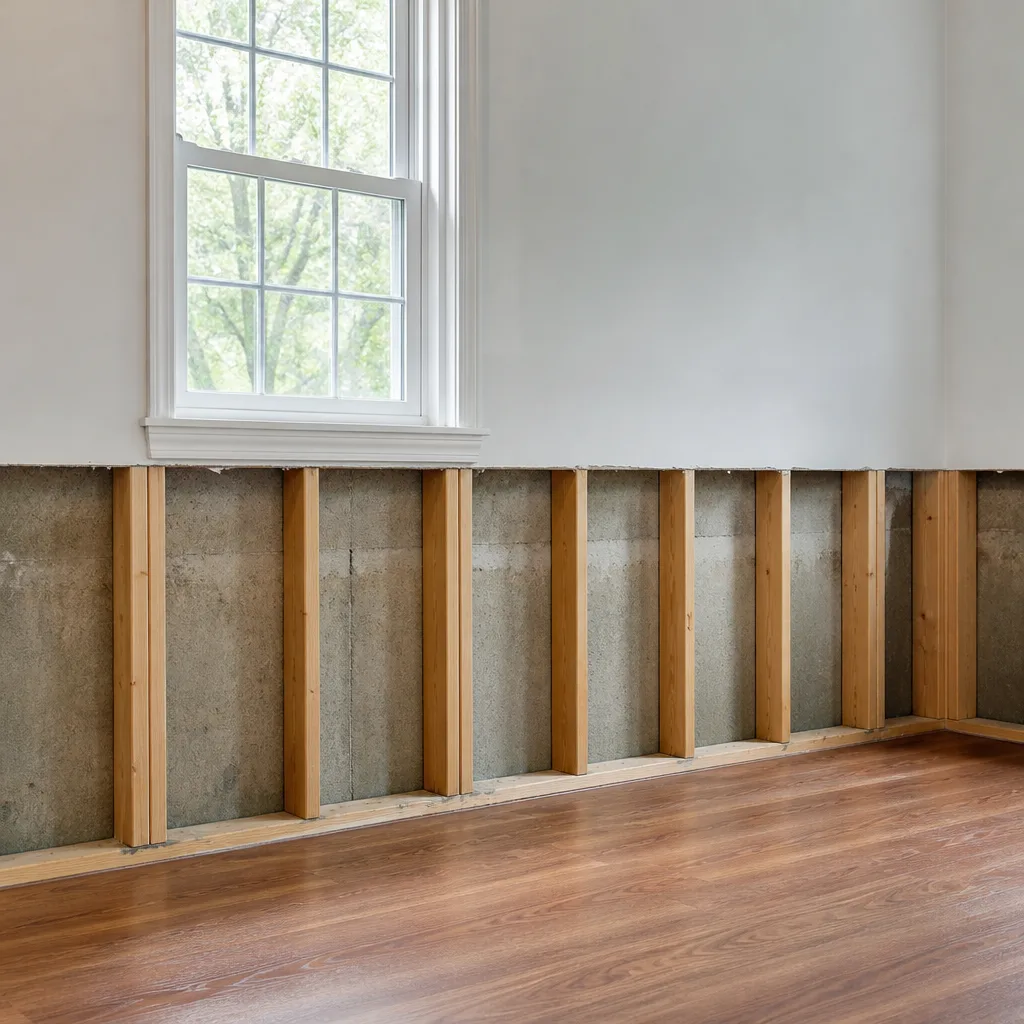 Mold remediation
 Storm response
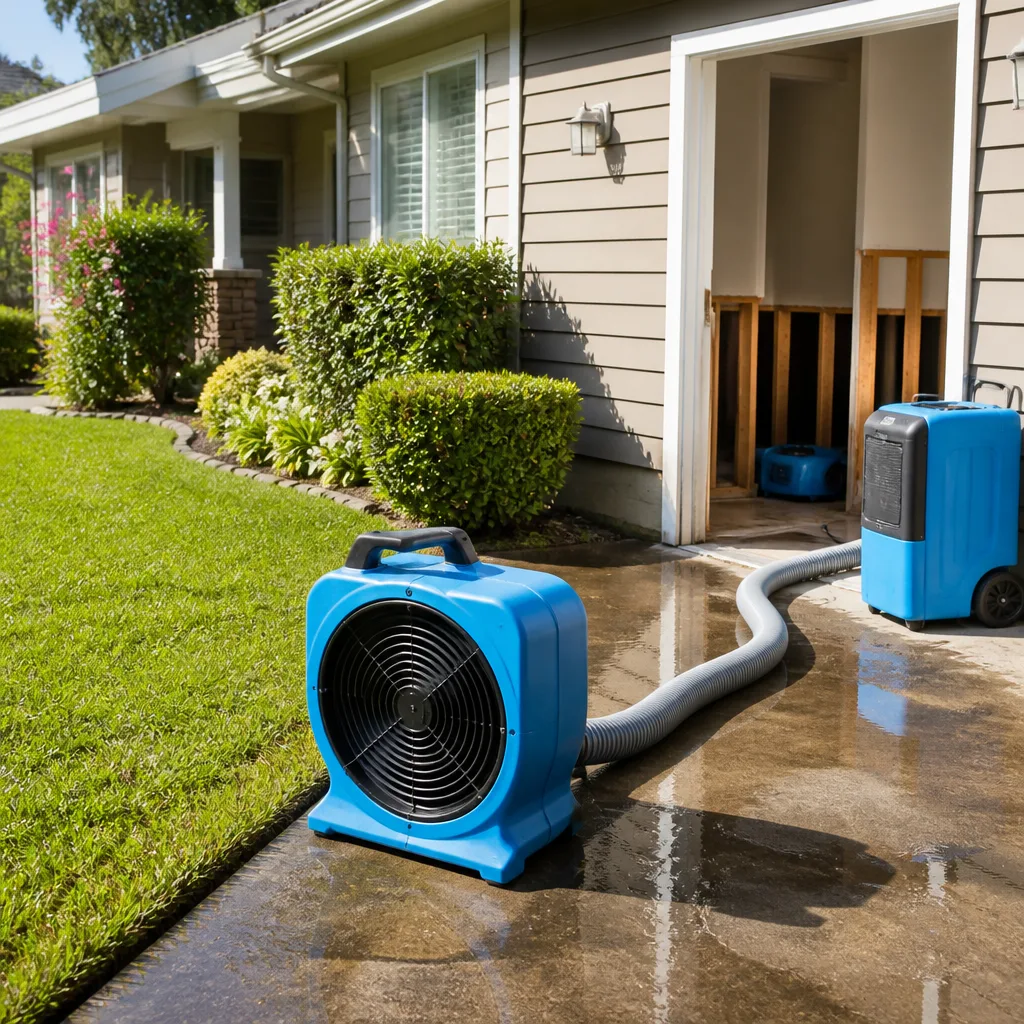 Sewage cleanup
 Reconstruction
Free visual inspection and a written scope of work before any mitigation begins - photos, moisture readings, and drying logs go in your claim file
The scope we write is the scope we bill. Anything new gets shown to you, in writing, before we touch it.
Get your free estimateWater Damage Restoration Maintenance Checklist for Ventura Homeowners
The stretch of Highway 101 between Seaward Avenue and California Street runs through some of the oldest housing stock in Ventura County. And here’s what two decades of restoration work has taught us: three of the five most common water damage calls we receive in that corridor trace back to the same overlooked culprit, a roof-to-wall transition point that stucco exteriors hide until the rot is already two feet deep inside the wall cavity. Most homeowners never see it coming because the exterior looks fine. The damage starts behind the paper, behind the lath, in the framing. This guide is a practical, season-by-season maintenance checklist built specifically for Ventura’s climate, construction patterns, and failure points, and it pairs well with our Complete Guide to Damage Restoration in Ventura for homeowners who want deeper context. You’ll learn which checks to run in November before the rains arrive, which ones matter in May after the soil dries out, and how a $12 moisture meter can catch 80% of slow leaks before they become restoration projects.
Restoration work we handle
Quick Answer
The most important water damage prevention steps for Ventura homeowners are: inspect all roof-to-wall transitions and stucco weep screeds every November before rain season, test interior walls and cabinet bases with a $12 moisture meter twice a year, replace washing machine and dishwasher supply lines every 5 years regardless of appearance, and document your home’s dry baseline with photos now so insurance claims are cleaner if damage ever occurs. These four actions prevent the majority of water damage restoration calls we see in Ventura, where marine air, aging stucco, and hillside drainage create a failure profile unlike inland California.
Table of Contents
- Why Ventura Homes Fail Differently Than Inland California Homes
- The November Pre-Rain Checklist: What to Inspect Before the First Storm
- The May Post-Dry-Out Checklist: After the Soil Shrinks Back
- How to Test Your Own Walls with a $12 Moisture Meter
- The Appliance Maintenance Sequence, Ranked by Ventura Claim Frequency
- What to Photograph Now: Your Insurance Baseline Before Damage Happens
- Common Mistakes to Avoid
- When to Call a Professional
- Frequently Asked Questions
- The Bottom Line
Why Ventura Homes Fail Differently Than Inland California Homes
Ventura sits in a narrow band where marine air, warm daytime temperatures, and a specific housing age distribution collide. Most of the single-family homes in midtown Ventura, Montalvo, and the East End were built between 1955 and 1990, before modern water-resistive barrier codes were enforced. That means stucco cladding was applied over asphalt-impregnated felt paper that has, by now, degraded to the point where it wicks moisture rather than shedding it. Add the nightly marine layer that keeps exterior walls damp for six to eight hours a day, and you get a slow, persistent moisture load that inland cities like Santa Clarita or Bakersfield rarely experience.
We’ve seen how this plays out in real time. A home in the Juanamaria neighborhood with a 1982 stucco exterior may look fine from the sidewalk. But behind the wall, the felt paper has been failing for a decade, and every winter rain event pushes water into the sheathing. By the time a homeowner notices a musty smell or a soft spot near a baseboard, the studs are often already compromised. This is not a theoretical problem. It is the single most common water damage profile we encounter in Ventura, and it is almost entirely preventable with seasonal inspection and a few targeted maintenance tasks.
The second Ventura-specific factor is drainage. Many neighborhoods, particularly in the hills above Foothill Road and along the avenues that climb toward the hills, are built on slopes that change the way water moves around a foundation. When a clay-heavy soil expands during winter rains and then shrinks during dry summer months, it can pull away from foundation walls, creating a channel for water to pool against the footing. That pooled water eventually finds its way through cracks, and by the time it appears inside, the damage has been happening for weeks. Generic checklists don’t mention any of this, because generic checklists are written for generic climates. Ventura is not generic.
If you’re dealing with active water damage right now rather than prevention, our Water Damage Restoration in Ventura page explains what the restoration process looks like from first call to final walkthrough.
The November Pre-Rain Checklist: What to Inspect Before the First Storm
Ventura’s rain season typically begins between late November and mid-December, but the first significant storm often catches homeowners off guard because the preceding eight months have been dry. The soil is still compacted and hydrophobic from summer, which means early-season rain tends to run off rather than absorb, and that runoff finds every gap in your exterior envelope. The November checklist is designed to close those gaps before the first real rain falls.
- Inspect all roof-to-wall transition points. On stucco homes, these are the places where a roof plane meets a vertical wall. Look for missing or cracked kick-out flashing, which is the small metal diverter that directs water away from the wall and into the gutter. If the kick-out is missing, water runs directly down the stucco and into the wall cavity. On 1970s through 1990s tract homes, particularly those with flat-to-pitched roof transitions, this is the number one entry point for hidden water damage in Ventura.
- Check weep screeds at the base of stucco walls. A weep screed is the metal flashing at the very bottom of a stucco wall, just above the foundation. Its job is to let water that gets behind the stucco drain out. If it’s buried by soil, covered by concrete, or painted over with thick layers of elastomeric coating, it cannot drain, and that water sits against the framing. In Ventura, where many homes have been re-stuccoed or had patios added after the original construction, buried weep screeds are extremely common.
- Clear all gutters and downspouts, and check the downspout discharge point. In Ventura, gutters clog with eucalyptus leaves, ice plant debris, and coastal wind-blown dirt. A clogged gutter backs up under the roofline and pours water directly down exterior walls. Downspouts should discharge at least four feet from the foundation. If they discharge right at the base of the wall, you’re feeding water into the exact place where stucco and foundation meet.
- Check window and door flashing. Coastal wind-driven rain doesn’t fall straight down. It hits walls at an angle and finds every seam. Run a bead of exterior-grade caulk around any window or door frame where the old caulk has cracked or pulled away. Pay special attention to south- and west-facing openings, which take the brunt of winter storms in Ventura.
The May Post-Dry-Out Checklist: After the Soil Shrinks Back
May is when Ventura soil does something interesting. After a full winter of rain, the clay-heavy earth has expanded, and it’s been pressing against foundation walls. Then the warm, dry spring arrives, the soil shrinks, and gaps open up between the soil and the foundation. Those gaps are not a problem by themselves. What matters is whether they fill with water during the next rain. The May checklist is about making sure the ground around your home drains correctly after the soil has gone through its seasonal shrink cycle.
- Check the grade around your foundation. Walk the perimeter of your home and look at the soil level against the foundation. The soil should slope away from the house at least six inches over the first ten feet. After a dry spring, you may see a visible gap between the soil and the foundation wall. If the soil has settled below the top of the footing, it needs to be backfilled with compacted soil, not left as is. A gap that catches water in November becomes a subterranean channel feeding water directly against your foundation.
- Check irrigation systems near the foundation. In May, Ventura homeowners restart their sprinklers and drip systems after winter dormancy. A sprinkler head that has been bumped out of alignment over winter may now be spraying directly onto a stucco wall or pooling water near the foundation. Adjust every head within five feet of the house so that its spray pattern does not touch the wall. This is a five-minute check that prevents a nine-month slow leak.
- Inspect for signs of winter damage that are just now becoming visible. Water damage from winter rains can take months to show as visible staining on interior surfaces, because the moisture is often trapped inside wall cavities and takes time to wick through drywall. In May, look carefully at baseboards, the bottoms of interior doors, and the corners of rooms that face the weather. A faint yellow-brown stain that wasn’t there in March is a signal that water is trapped somewhere behind the wall and needs professional attention.
- Re-apply sealant where winter storms opened gaps. Winter wind and rain can pull caulk and sealant away from window frames, door thresholds, and exterior trim. May is the ideal time to re-caulk because the surfaces are warm and dry, which means the sealant cures properly. Use an exterior-grade, paintable sealant for window and door perimeters, and a masonry sealant for any cracks in stucco or foundation surfaces.
How to Test Your Own Walls with a $12 Moisture Meter
You don’t need a restoration company to tell you that a wall is wet. You need a $12 pin-type moisture meter, which is available at any hardware store. It has two small metal pins on one end that you press against a surface, and an analog or digital readout that tells you the moisture content as a percentage. In a dry Ventura home, interior wall surfaces should read between 8% and 12% on most meters. Anything above 15% means water is present in the material, and anything above 20% means active moisture intrusion is happening somewhere above or behind that spot.
Here’s the 20-minute walkthrough we recommend to every Ventura homeowner, and it catches roughly 80% of the slow leaks we find on site visits:
- Start under every sink. Push the meter pins into the cabinet floor at the back, where pipes enter the wall. This is where slow supply line drips and drain leaks accumulate first. A reading above 15% here means you have an active leak, even if the cabinet floor looks dry.
- Test the wall directly below every window. On stucco homes, window leaks are the second most common water intrusion point after roof-to-wall transitions. Press the meter into the drywall about six inches below each window sill on the interior side. Pay special attention to windows on the south and west elevations, which take the most weather in Ventura.
- Test the baseboard area in every room at the exterior wall. Run the meter along the bottom six inches of exterior-facing walls. This is where water that has traveled down inside the wall cavity collects. If you find one wet spot in a room, test the same area in the room directly below it as well, because water follows gravity.
- Check the ceiling below every bathroom and laundry room. In multi-story homes, the ceiling of the room below a plumbing fixture is the early warning system. A moisture reading above 15% on a ceiling below a toilet, shower, or washing machine means water is pooling in the floor cavity above.
The moisture meter does not replace professional assessment. What it does is tell you when to call one before the problem becomes a restoration project. If you get a high reading and can see no visible water, that means the moisture is behind the surface, and behind the surface is where the real damage happens. For water damage that’s already visible or for a high moisture reading you can’t trace, our Marsh Water Damage Ventura home page explains what happens next and what to expect from a professional assessment.
The Appliance Maintenance Sequence, Ranked by Ventura Claim Frequency
Every water damage claim we see in Ventura falls into a pattern. The appliances that fail most frequently are not the ones homeowners worry about most. Here is the sequence, ranked by how often each one appears as the source of a water damage call in Ventura County, with the maintenance task that prevents it.
1. Water Heater Supply Lines and Tank Failures
Water heaters account for more water damage incidents in Ventura than any other single appliance, and the most common failure point is not the tank itself but the supply line connecting the tank to the wall. A standard flexible supply line has a lifespan of five to eight years, and in Ventura’s hard water, mineral buildup accelerates the wear on the rubber gasket at the connection point. When that gasket fails, the line leaks slowly, often for weeks or months, and the water seeps into the wall behind the water heater or into the platform it sits on. Most Ventura water heaters are in garages or exterior closets, which means the damage happens out of sight. The maintenance task: replace water heater supply lines every five years, and if your water heater is more than 10 years old, budget for a full tank replacement before the tank itself fails.
2. Dishwasher Supply Lines and Door Seals
Dishwashers are second on the list, and the failure usually happens at the supply line connection under the kitchen sink or at the door seal, which degrades after years of exposure to hot water and detergent. In Ventura, where many kitchens are built on slab foundations rather than raised floors, a dishwasher leak does not drip through to a crawl space. It spreads horizontally under the flooring, and by the time it shows at a baseboard or threshold, the subfloor has already absorbed water across several square feet. The maintenance task: replace the dishwasher supply line when you replace the water heater line, every five years, and inspect the door seal twice a year for cracks or hardening.
3. Refrigerator Ice Maker Supply Lines
Ice maker lines are small, cheap, and prone to failure. The plastic tubing that connects a refrigerator to a water supply is often installed behind the unit where it is never seen, and it kinks, cracks, or separates at the fitting with surprising regularity. In our experience, ice maker line failure is the most common source of water damage in the kitchen, and it frequently goes unnoticed for days because the refrigerator hides the leak. The maintenance task: replace plastic ice maker tubing with braided stainless steel, and pull the refrigerator out from the wall once a year to inspect the connection point. If you see any cracking on the plastic line, replace it that day.
4. Washing Machine Hoses
Washing machine hoses are fourth, and they fail in one of two ways: the rubber hose bursts, which is a sudden and dramatic event, or the connection at the back of the machine loosens over time, which is a slow drip that soaks into the wall and floor behind the unit. In Ventura homes with laundry rooms on the second floor or in interior closets, a burst hose is one of the most destructive water events a homeowner can experience, because there is no drain pan and no exterior wall for the water to escape through. The maintenance task: replace rubber washing machine hoses with stainless steel braided hoses, and turn off the water supply valves to the washer whenever you leave home for more than a weekend.
What to Photograph Now: Your Insurance Baseline Before Damage Happens
The single most valuable preparation task for Ventura homeowners has nothing to do with plumbing or drainage. It’s documentation. When you file a water damage claim, the insurance adjuster’s first question is almost always: what did this area look like before the damage occurred? If you cannot answer that question with photos, the claim moves slower, and the settlement often reflects that uncertainty.
Here’s what to photograph now, while your home is dry and intact:
- Every room from multiple angles. Stand in each corner and photograph the room toward the opposite corner. Do this for every room in the house. The goal is to have clear visual documentation of the condition of walls, floors, ceilings, and baseboards before any water damage occurred.
- Close-up shots of all plumbing fixtures. Photograph under every sink, the back of every toilet, the water heater and its supply lines, the washing machine connections, and the dishwasher connections. These are the areas where water damage claims originate, and a “before” photo of a clean, dry area makes your “after” claim far stronger.
- Exterior walls and rooflines. Photograph each side of the house from the ground, paying special attention to roof-to-wall transition points, window flashing, and the area around the foundation. These photos establish the pre-existing condition of the exterior envelope, which matters if a claim involves structural or envelope water intrusion.
- Serial numbers and model numbers on appliances. The water heater, dishwasher, washing machine, and refrigerator each have a serial number plate. Photograph those plates and store the photos in a labeled folder. If an appliance fails and causes damage, the adjuster will ask for this information, and having it documented saves days of back-and-forth.
Store these photos in the cloud, not on a phone that can be damaged or lost. Update them once a year, ideally in November before rain season. When you call a restoration company like Storm Damage Restoration in Ventura after an event, the first thing our team does is assess the current state against the documented baseline, which speeds up the entire process from assessment to final settlement.
Common Mistakes to Avoid
- Replacing a roof before checking the roof-to-wall transitions. In Ventura, roof leaks are often misattributed to shingles or tiles when the actual source is the flashing at the transition point. Homeowners spend $15,000 on a new roof and then discover the same leak six months later because the kick-out flashing was never addressed.
- Painting over a moisture stain without finding the source. A moisture stain on a wall or ceiling is evidence of an active or recently active water source. Painting over it hides the symptom but does nothing to address the water that is still inside the wall cavity. In Ventura’s marine climate, that trapped moisture will support mold growth even if the leak has stopped, because the wall stays at elevated humidity for months.
- Using interior latex caulk on exterior stucco. Latex caulk fails quickly when exposed to coastal weather patterns and UV exposure. Exterior seams and gaps on stucco homes need polyurethane or elastomeric sealant designed for exterior use. Using the wrong product means repeating the same maintenance task every year.
- Ignoring a buried weep screed because the stucco looks fine. The weep screed’s entire job is to let water drain out from behind the stucco. When it’s buried under soil, concrete, or landscaping, that water has nowhere to go except into the framing. This is one of the most common conditions we find in Ventura homes, and it’s nearly always the result of a patio addition or landscaping project that raised the soil level against the wall.
- Assuming a slab foundation means no crawl space to worry about. On a slab foundation, water travels horizontally under the flooring rather than down into a crawl space. This means a slow leak can spread across an entire room before it ever becomes visible at the edges. Slab homes need interior moisture testing more frequently than raised foundation homes.
- Turning off the water heater while away without draining the tank. If you turn off the water heater but leave water in the tank while away for weeks, the tank continues to be under pressure and can still leak. If you’re leaving a Ventura home for an extended period during the rainy season, shut off the main water supply and drain the system rather than just turning off the heater.
When to Call a Professional
A moisture meter reading above 20% in any wall, ceiling, or cabinet floor means active water intrusion is happening and it is not going to resolve on its own. You should call a professional when you see a water stain that changes size or color over a period of days, when you smell a persistent musty odor in a room with no visible water, when a baseboard feels soft to the touch, or when you see water pooling near the foundation after a storm. In our experience, the damage is always larger than what is visible on the surface, and the cost of professional assessment is a fraction of what a full restoration costs if the problem is left to spread. Marsh Water Damage Ventura offers free estimates in Ventura. Call (559) 242-4307, and a live person answers, 24 hours a day, every day of the year, including holidays. If you suspect microbial growth from trapped moisture, our Mold Remediation in Ventura page explains the assessment process and what to expect.
Frequently Asked Questions
Ventura homeowners should complete the November pre-rain checklist and the May post-dry-out checklist every year. Additionally, a moisture meter walkthrough of the entire house should happen twice a year, and supply lines on water heaters, dishwashers, and washing machines should be replaced every five years.
A weep screed is the metal flashing at the base of a stucco wall that allows water that has drained down behind the stucco to escape. In Ventura, where most homes have stucco exteriors and many have been re-stuccoed or had patios added, buried weep screeds are common, and a buried weep screed traps water against the framing, causing hidden rot and mold.
Yes, the marine layer in Ventura keeps exterior walls damp for several hours each night during much of the year. On older stucco homes where the original water-resistive barrier has degraded, this persistent moisture load accelerates the breakdown of building paper and can cause moisture to accumulate inside wall cavities even without any rain.
On most residential moisture meters, a reading between 8% and 12% is normal for dry interior walls in Ventura. A reading above 15% indicates elevated moisture, and a reading above 20% means active water intrusion is happening. If you get a reading above 15% in any wall, floor, or cabinet area, you should investigate further and likely call a professional.
Homeowner’s insurance policies vary, but many policies cover sudden and accidental water damage, including damage from a burst supply line, while slow leaks that occur over weeks or months are often excluded because they are considered maintenance issues. This is why documentation and seasonal inspection are so important, because they establish that you were maintaining the home and that the damage was not the result of negligence.
Yes, the flexible supply lines on water heaters, dishwashers, washing machines, and ice makers have a rated service life of five to eight years, and in Ventura’s hard water, they often fail at the lower end of that range. Replacement is inexpensive, typically $10 to $30 per line, and it is the single cheapest insurance policy you can buy against one of the most common and most damaging sources of residential water damage in Ventura County.
The Bottom Line
Water damage prevention in Ventura is a seasonal discipline, not a one-time project. The November checklist closes your home’s exterior envelope before the rains arrive, the May checklist corrects drainage issues after the soil shrinks, and a $12 moisture meter is the most cost-effective damage detection tool a homeowner can own. Appliance supply lines need replacing every five years, your insurance baseline should be documented before any damage occurs, and a professional assessment should happen the moment a moisture meter reading climbs above the normal range. Most of the water damage we see in Ventura was preventable, and the homes that stay dry are the ones where someone ran a systematic checklist on a schedule. For related reading, see our Damage Restoration Cost Breakdown: The Ventura Homeowner’s Reference for 2026.
Written by Tobias Reyner, Owner at Marsh Water Damage Ventura, serving Ventura since 2005.
See the difference
 Before
 After
After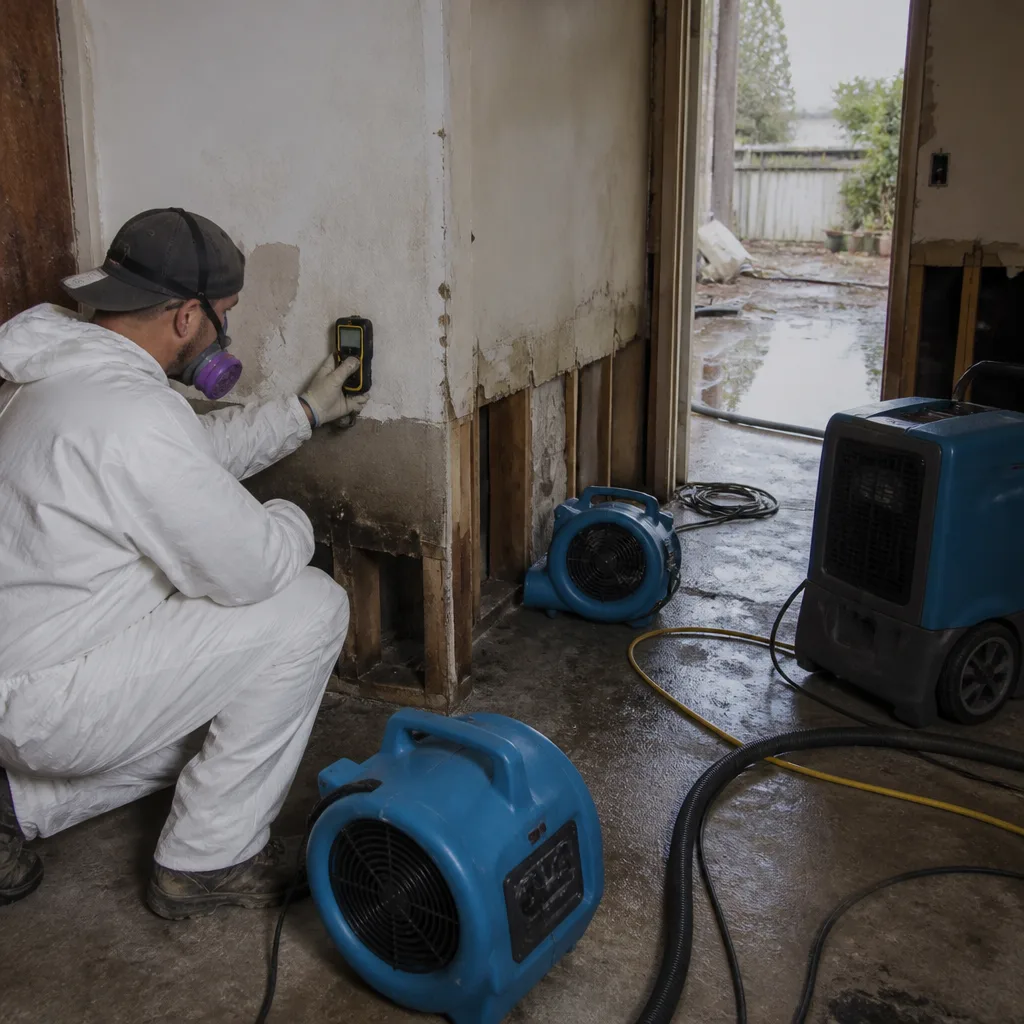 Before
 After
After Before
 After
After