
Last updated October 16, 2026
 Water damage drying
 Fire & smoke cleanup
 Mold remediation
 Storm response
 Sewage cleanup
 Reconstruction
Free visual inspection and a written scope of work before any mitigation begins - photos, moisture readings, and drying logs go in your claim file
The scope we write is the scope we bill. Anything new gets shown to you, in writing, before we touch it.
Get your free estimateSeasonal Damage Restoration Care for Ventura: Year-Round Homeowner’s Guide
Here’s a number that surprises most Ventura homeowners: in our experience, July and August bring more water damage calls to this city than February. Not from rain. From irrigation overspray, AC condensate lines backing up, and supply lines stressed by summer pressure spikes. Ventura doesn’t have four seasons in the traditional sense. What it has is four distinct damage windows, each driven by a different mechanism. Learn the calendar and you skip most emergency calls entirely. This guide maps all four seasons, month by month, for Ventura specifically.
Restoration work we handle
Quick Answer
Seasonal damage prevention in Ventura means preparing for four distinct windows: winter storm intrusion, spring soil-shift pipe stress, summer mechanical failure, and fall Santa Ana wind-driven rain. The most cost-effective approach is a month-by-month maintenance routine tuned to Ventura’s actual climate, not a generic California template. We’ve outlined that exact routine below, including specific actions for hillside versus flatland homes, irrigation adjustments for clay-heavy soils, and the two-week post-rain inspection that catches secondary damage before it compounds. For a printable version, see our Water Damage Restoration Maintenance Checklist for Ventura Homeowners.
Table of Contents
- Winter Storm Intrusion: December Through February
- Spring Soil-Shift Pipe Stress: March Through May
- Summer Mechanical Failure: June Through August
- Fall Santa Ana Wind-Driven Rain: September Through November
- Hillside Homes vs. Flatland Homes in Ventura: Different Vulnerabilities
- The Two-Week Post-Rain Inspection Routine
- The Month-by-Month Maintenance Calendar for Ventura
- Common Mistakes to Avoid
- When to Call a Professional
- Frequently Asked Questions
- The Bottom Line
Winter Storm Intrusion: December Through February
Winter is when Ventura actually gets rain, and it arrives in concentrated bursts. The city averages around 14 to 16 inches of rain annually, but nearly all of it lands between December and February, often in a handful of atmospheric river events. A single storm can drop two or three inches in a day. That’s when water finds every gap in a home’s exterior envelope.
The most common winter failures we see in Ventura are not dramatic. They’re slow. A gutter that’s been clogged since October. A downspout that dumps water against the foundation instead of away from it. A sliding glass door whose weatherstripping gave out two summers ago. A roof with a few lifted shingles that survived every dry month without consequence.
Here’s what we recommend every Ventura homeowner do before the first real storm of the season:
- Clean gutters and downspouts after the last leaves fall. In Ventura, that means late November or early December, not October. The sycamores and oaks in neighborhoods like Midtown and College Area drop leaves late.
- Walk the perimeter of your home during daylight before a storm. Look for gaps where siding meets foundation, where pipes enter the house, and around window frames. Seal what you can with exterior caulk rated for wet conditions.
- Check your sump pump if you have one. Homes in the lower-elevation areas west of Ventura Avenue, near the river bottom, often have sump pumps. Pour a bucket of water into the pit to confirm it cycles on and actually discharges outside.
- Test your roof drainage by watching how water flows off the roof during the first 20 minutes of rain. If water sheets over the gutter instead of into it, the gutter pitch is off, and the fix is a simple shim.
- Inspect flashing around chimneys, vents, and skylights. This is the most common source of roof leaks in older Ventura homes, especially in the historic districts near downtown.
One thing we tell every homeowner: if you discover a leak during a storm, place a bucket under it and call a professional before cutting into drywall. The instinct to open the wall to see what’s wet often makes the damage worse by introducing air into a space that was drying slowly on its own. For active water intrusion, see our Water Damage Restoration in Ventura guide for what happens during the first 24 hours.
Spring Soil-Shift Pipe Stress: March Through May
By March, Ventura’s clay-heavy soils have absorbed a winter of rain. Then the rains stop and the ground begins to dry and contract. That cycle, expand then contract, is what stresses underground pipes. The soil moves, the pipe doesn’t, and the joint gives way.
This is especially pronounced on the Eastside of Ventura, where the soil has a high clay content. We regularly see slab leaks and main line breaks in Eastside neighborhoods starting in late March and running through May. The pipes aren’t failing because they’re old, although many are. They’re failing because the ground around them is moving.
The warning signs in spring are subtle:
- A water bill that jumps 15 to 20 percent without an obvious reason.
- A warm spot on the floor, usually in the hallway or kitchen, indicating a hot water line leak under the slab.
- The sound of running water when no fixture is in use.
- Cracks appearing in exterior stucco or interior drywall near door frames as the soil shifts.
- Doors that begin to stick or fail to latch, which often indicates foundation movement tied to soil moisture changes.
One of the least-known spring risks in Ventura involves irrigation systems that were winterized, or should have been. When homeowners turn irrigation back on in April or May, a cracked sprinkler line or a stuck valve can run water against the foundation for days before anyone notices. The fix is simple: when you reactivate your irrigation in spring, walk the system zone by zone and watch every head pop up. Look for water pooling anywhere it shouldn’t, especially near the house.
If you do find a pipe problem in spring, it’s worth noting that drying a slab leak involves more than just fixing the pipe. The water has been running through wall cavities and under flooring. That’s where professional drying equipment comes in. Our Marsh Water Damage Ventura home page explains how a slab leak progresses from a plumbing issue to a restoration issue, and what we do about it.
Summer Mechanical Failure: June Through August
Now back to the surprising statistic from the top of this guide: summer is our busiest water damage season in Ventura. People expect December and January to be busy. They are. But June through August produces more calls, and the causes are almost entirely mechanical.
Here’s what happens. Ventura’s summer temperatures climb into the high 70s and occasionally the low 80s near the coast, and hotter inland. Air conditioning loads increase. Irrigation systems run longer. Water demand across the city rises and pressure in the municipal supply lines fluctuates. Every one of those changes stresses the weakest link in a home’s plumbing.
The three most common summer failures we see:
- AC condensate line backups. The line that drains condensation from your air handler clogs with algae and dust over winter. In summer, when the AC runs daily, water backs up and overflows into the attic, a closet, or down the inside of a wall. The first sign is often a water stain on the ceiling below the air handler.
- Supply line failures triggered by pressure spikes. Every time the city adjusts water pressure to meet demand, older supply lines, the braided steel ones under sinks and behind toilets, take the hit. A 15-year-old supply line can fail without warning at 3 p.m. on a 90-degree day.
- Irrigation overspray and oversaturation. Automatic irrigation controllers run the same schedule in summer as they did in spring, but the plants need less water as temperatures moderate near the coast. Overspray lands on stucco, window frames, and foundation vents. Over time, that constant moisture migrates into wall cavities and subfloor spaces.
The summer prevention routine is straightforward: replace washing machine supply lines every five years, check AC condensate lines every June before the first heat wave, and adjust irrigation controllers to match actual plant needs rather than a set-and-forget schedule. If you do end up with a summer water event, extraction and drying need to happen quickly because warm air accelerates mold growth. See our Mold Remediation in Ventura page for how we handle the secondary problem that follows every summer leak.
Fall Santa Ana Wind-Driven Rain: September Through November
Fall in Ventura is Santa Ana season. Winds blow from the northeast, hot and dry most of the time. But when a cold front approaches from the Pacific and meets that offshore flow, the result is wind-driven rain that hits homes sideways.
This is the season when homes leak in places they’ve never leaked before. Wind-driven rain pushes water under eaves, through weep holes in window frames, and up under roof tiles. A roof that sheds vertical rain perfectly can fail entirely when rain arrives at a 45-degree angle with 40-mile-per-hour gusts.
The unique risk with fall wind-driven rain is that the damage is often internal and invisible. Water enters through a small gap at the top of a window frame, runs down the inside of the wall, and soaks the insulation and drywall from within. There’s no visible leak, no drip. By the time a homeowner notices a stain or swelling baseboard, the water has been inside the wall for weeks.
Fall preparation steps for Ventura:
- Inspect and reseal exterior window and door frames in September. Pay special attention to north-facing and east-facing walls, which take the direct brunt of Santa Ana wind.
- Check roof tiles and shingles for looseness before the first wind event. A loose tile in dry conditions becomes a roof leak in a wind-driven storm.
- Secure or store outdoor furniture and debris. A wind-propelled patio chair does surprising damage to a stucco wall or window.
- Trim tree branches that hang over the roof. Wind causes branches to scrape and lift roof materials, and falling branches penetrate.
- Test all exterior drainage paths. Wind-driven rain overwhelms standard drainage quickly. Confirm that surface water flows away from the foundation on all sides.
When Santa Ana wind and rain combine, storm damage often requires more than just drying. Trees come down, branches puncture roofs, and water enters through structural breaches. That’s the territory covered in our Storm Damage Restoration in Ventura guide, which walks through tarping, board-up, and the sequence of restoration work after a wind event.
Hillside Homes vs. Flatland Homes in Ventura: Different Vulnerabilities
Ventura’s topography splits the city into two distinct risk profiles. Hillside homes in the foothills above Foothill Road, and in neighborhoods like Ondulando and Clearpoint, face a completely different set of drainage challenges than flatland homes near the coast or along the river bottom.
Hillside homes are vulnerable to the force of moving water. Rain that falls on the uphill side of a property picks up speed and debris as it flows downhill. If the drainage system isn’t designed to intercept and redirect that water, it slams into the foundation wall with enough force to find entry through hairline cracks. Over time, that constant battering expands the crack and increases water intrusion. The fix is almost always a combination of surface drainage improvements: swales to redirect water around the house, area drains to capture water before it reaches the foundation, and retaining walls with proper weep holes to release hydrostatic pressure.
Flatland homes face the opposite problem. Water doesn’t rush in; it sits. Homes in the flat areas of Midtown, Montalvo, and the neighborhoods west of the 101 have soils that become saturated during extended rain. When the ground is full, water table rises and pushes against foundation slabs from below. The result is hydrostatic pressure that forces water up through cracks in the slab, around plumbing penetrations, and through the cove joint where the floor meets the wall.
The most important pre-storm action for a hillside homeowner is to walk the uphill side of the property during dry weather and confirm that every swale, drain, and diverter is clear. For a flatland homeowner, the most important action is to confirm that downspouts discharge at least five feet from the foundation and that the ground slopes away from the house at a minimum of six inches over ten feet. Both sound simple. Both are ignored by most homeowners until water is inside the house.
The Two-Week Post-Rain Inspection Routine
The storm ends. The sun comes out. The house looks fine. And then, two weeks later, the damage appears. That’s the pattern we see over and over in Ventura.
Here’s why. Water that entered a wall cavity during a storm doesn’t always show itself immediately. Drywall can hold a surprising amount of moisture before it stains. Insulation wicks water upward and outward slowly. Mold begins to colonize in as little as 48 to 72 hours, but the visible signs, staining, odor, surface discoloration, take longer to appear.
We recommend a specific two-week post-rain inspection routine after any significant storm. It takes about 30 minutes and catches secondary damage before it compounds:
- Day one after the storm: Walk every room and run your hand along baseboards near exterior walls. You’re feeling for dampness, not looking for stains. Check window sills and the corners of closets that share exterior walls.
- Days two through five: Smell each room, especially closets and rooms that were closed during the storm. A musty or earthy smell is the earliest reliable indicator of hidden moisture.
- Day seven: Look for efflorescence, the white powdery deposit that appears on concrete and masonry when water moves through it and evaporates. Foundation walls are the most common location. It means water is moving through the concrete, not just sitting on it.
- Day ten: Check door frames and window frames for swelling. Wood frames absorb moisture slowly and expand. A door that sticks now, when it didn’t stick before the storm, is telling you something.
- Day fourteen: Do a final visual inspection of ceilings below attics and upper-level bathrooms. Water pooling in an attic or wall cavity migrates downward and emerges on ceilings only after gravity and time have done their work.
If any of these checks turns up moisture, swelling, or odor, don’t wait to see if it resolves on its own. Call for a professional assessment. The right response to early-stage moisture is far less invasive and less expensive than the response to established mold and structural damage.
The Month-by-Month Maintenance Calendar for Ventura
This is the calendar we hand to homeowners after every restoration job in Ventura. It’s built for this city’s climate, not a generic California template. One task per month. None of them take more than an hour.
January: Assess and Address Winter Storm Damage
After the first major storm of the season, do the two-week post-rain inspection described above. Document any damage, take photos, and file insurance claims promptly if needed. January is also the right time to check attic insulation for moisture that entered through roof gaps.
February: Inspect Roof, Flashing, and Attic Ventilation
Ventura’s heaviest rain typically arrives in February. Before it does, inspect roof flashing around vents, chimneys, and skylights. In the attic, look for daylight coming through roof penetrations and check for wet insulation. Confirm that attic vents are open and functioning, not blocked by stored items.
March: Check Foundation Drainage and Downspouts
As the rainy season winds down, walk the perimeter and confirm that all downspouts discharge at least five feet from the foundation. Check that soil grade slopes away from the house. Clean out area drains and catch basins before the seasonal growth fills them.
April: Reactivate Irrigation Systems Carefully
Turn irrigation on zone by zone. Watch every head cycle through. A cracked pipe or misaligned head discovered now saves thousands in summer water damage. Let the soil dry out before you begin regular irrigation, and consider installing a rain sensor if you don’t have one.
May: Replace Aging Supply Lines
Braided stainless steel supply lines under sinks and toilets have a service life of about five to seven years. They’re inexpensive, and replacing them takes minutes. May is the right time because the summer pressure spike is coming. Check hoses on your washing machine too, and consider replacing rubber hoses with braided steel.
June: Clear AC Condensate Lines
Before the first heat wave, clear the AC condensate drain line. A wet-dry vac on the exterior drain port is usually enough. If the line is clogged and you don’t clear it, water will back up and overflow into your home when the AC runs full-time in July.
July: Adjust Irrigation Schedules for Peak Summer
Reassess your irrigation controller as summer heat peaks. Many Ventura homeowners overwater in July and August, saturating soil near the foundation. Adjust runtimes down if the weather has been moderate, and cycle-soak programs for clay soils instead of one long runtime.
August: Check for Hidden Leaks at the Water Meter
The summer heat has stressed every pipe in your home. Check the water meter at a known idle moment. If numbers are moving with everything off, water is running somewhere you can’t see. August leak discovery prevents September damage.
September: Seal and Prepare for Santa Ana Season
Reseal exterior window and door frames. Check that all vents and openings have proper screens. Secure outdoor furniture. Trim branches that overhang the roof. The first Santa Ana wind event can arrive quickly.
October: Clean Gutters and Downspouts
Ventura’s trees drop leaves late. October is the right month to clean gutters, not September. A gutter system that’s clean now will function through the entire winter season.
November: Final Exterior Walkthrough Before Peak Rain
Do a complete exterior inspection: gutters, downspouts, flashing, weatherstripping, door sweeps, window seals. Check the sump pump if you have one. This is the last chance to fix a problem before December storms arrive.
December: Test Emergency Preparedness and Document Your Home
Take photos of every room in your home, including basements, attics, and utility spaces. These photos are invaluable for insurance claims if damage occurs. Confirm that you know where the water shutoff valve is and that everyone in the household knows how to turn it off.
Common Mistakes to Avoid
- Cleaning gutters before the leaves actually fall. In Ventura, the sycamores and oaks drop leaves in late October and November. A gutter cleaned in September is a clogged gutter by December. Clean in late October or November.
- Treating irrigation overspray as a landscaping problem, not a structural problem. A sprinkler head that sprays the stucco wall of your house is not wasting a little water. It’s slowly saturating the wall, the sheathing, and potentially the framing over months of daily watering cycles.
- Assuming a slab foundation means no water risk from above. Some Ventura homeowners think slab foundations are immune to moisture. They’re not. Moisture moves up through floor coverings easily, especially when the soil below is saturated from poor drainage.
- Waiting for visible water before taking action. The vast majority of water damage in Ventura homes is hidden, inside walls, under floors, above ceilings. By the time you see a stain, the moisture has been present for days or weeks. Trust your nose and your fingertips, not just your eyes.
- Putting off insurance calls because the damage looks “not that bad.” Insurance policies have deadlines for filing claims. Small water stains that seem manageable often conceal larger problems. Document everything promptly and call your adjuster sooner rather than later.
- Opening walls to “let things dry out.” This is the most expensive DIY mistake we see. Opening a wall cavity to air introduces uncontrolled air movement that spreads contaminated moisture and often drives mold spores deeper into the structure. Professional drying uses controlled airflow and psychrometric readings to remove moisture without spreading it.
When to Call a Professional
Some situations call for immediate professional help. If water is actively entering your home during a storm and you cannot stop the source, call a restoration company right away. If you find a hidden leak inside a wall or ceiling, call before opening anything. If you see mold on more than about ten square feet of surface, call a professional. If flood water, not rain, has entered your home, call immediately; flood water contains contaminants that require professional-grade cleaning and disinfection rather than air drying. If your home has a sewage backup, never attempt cleanup yourself. And if you suspect foundation damage from shifting soil or hydrostatic pressure, an assessment now costs far less than a repair later. Marsh Water Damage Ventura offers free estimates in Ventura and can assess any water, mold, or storm-related problem. Call (559) 242-4307 to schedule.
Frequently Asked Questions
Most residential water extractions in Ventura run between $1,200 and $4,500 before drying equipment is set, depending on the size of the affected area and the amount of water involved. Drying equipment typically adds $150 to $400 per day depending on the number of air movers and dehumidifiers needed. A full restoration, including drywall replacement, paint, and rebuild, commonly lands between $3,000 and $12,000. Every Marsh job receives a written price before any work begins, so you know the number before you commit. Call (559) 242-4307 for an exact quote, estimates are free.
Most standard homeowner’s policies in Ventura cover sudden and accidental water damage, including pipe bursts, appliance failures, and storm-related roof leaks. Gradual damage, such as a slow leak that has been ongoing for weeks or months, is generally not covered. Marsh Water Damage Ventura documents every job with photos and detailed moisture readings, and we coordinate directly with insurance adjusters throughout the claims process.
Marsh Water Damage Ventura answers every call with a live person, 24 hours a day, 7 days a week, including holidays. A technician can typically be at your home in Ventura within a few hours of your call. Speed matters in water mitigation because mold begins to establish within 48 to 72 hours.
The answer depends on how far the moisture traveled. If water was confined to a hard surface and dried quickly, a professional cleaning and surface treatment is often sufficient. If water soaked into drywall, insulation, or subfloor, the affected materials usually need to be removed and replaced because they cannot be reliably dried once saturated. A professional assessment using moisture meters and psychrometric readings tells you the difference. We give you a written scope of work before any job begins, so the decision is yours to make with full information.
Marsh Water Damage Ventura does. We photograph all damage before and during mitigation, document every step with time-stamped records, and provide your adjuster with the detailed documentation needed to process your claim. Our team has working relationships with adjusters across Ventura and understands what they need to see to approve coverage.
Marsh Water Damage Ventura serves the entire city of Ventura and surrounding communities, including Midtown, Eastside, Montalvo, Ondulando, College Area, and the neighborhoods along the Avenue, plus Oxnard, Camarillo, Santa Paula, and Ojai. If you’re not sure whether you’re in our service area, call (559) 242-4307 and we’ll tell you directly.
The Bottom Line
Ventura homeowners who understand the city’s four damage windows, winter storm intrusion, spring soil-shift pipe stress, summer mechanical failure, and fall Santa Ana wind-driven rain, avoid most emergency calls. The calendar is knowable, and the tasks are manageable: one hour per month, nothing technical, just consistent attention to the places where water enters. When damage does occur despite your best efforts, act quickly. Document what you find, call a professional rather than opening walls yourself, and insist on a written price before work begins. That’s how a house in Ventura stays dry through every season. If you need help, Marsh Water Damage Ventura is here. Call (559) 242-4307 for a free estimate.
Written by Tobias Reyner, Owner at Marsh Water Damage Ventura, serving Ventura since 2005. Explore more guides & resources from our team.
See the difference
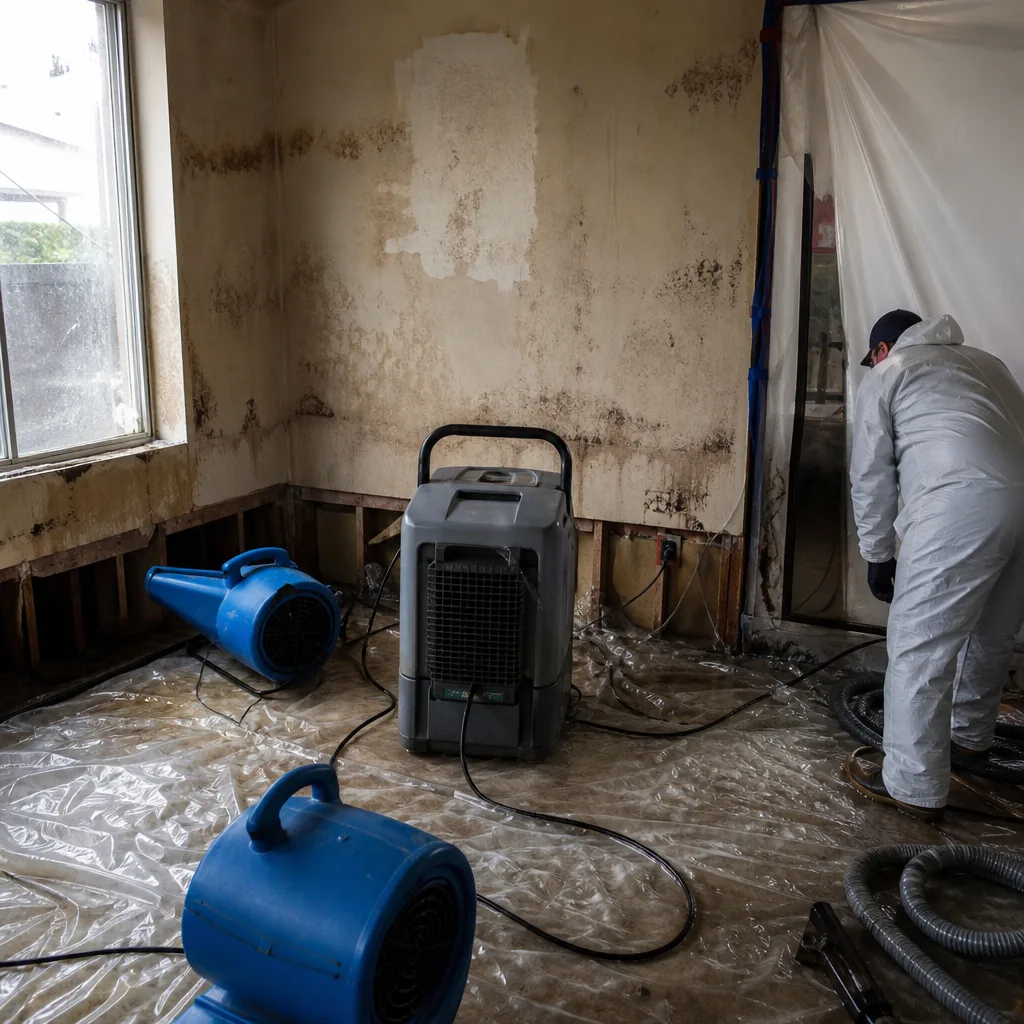 Before
 After
After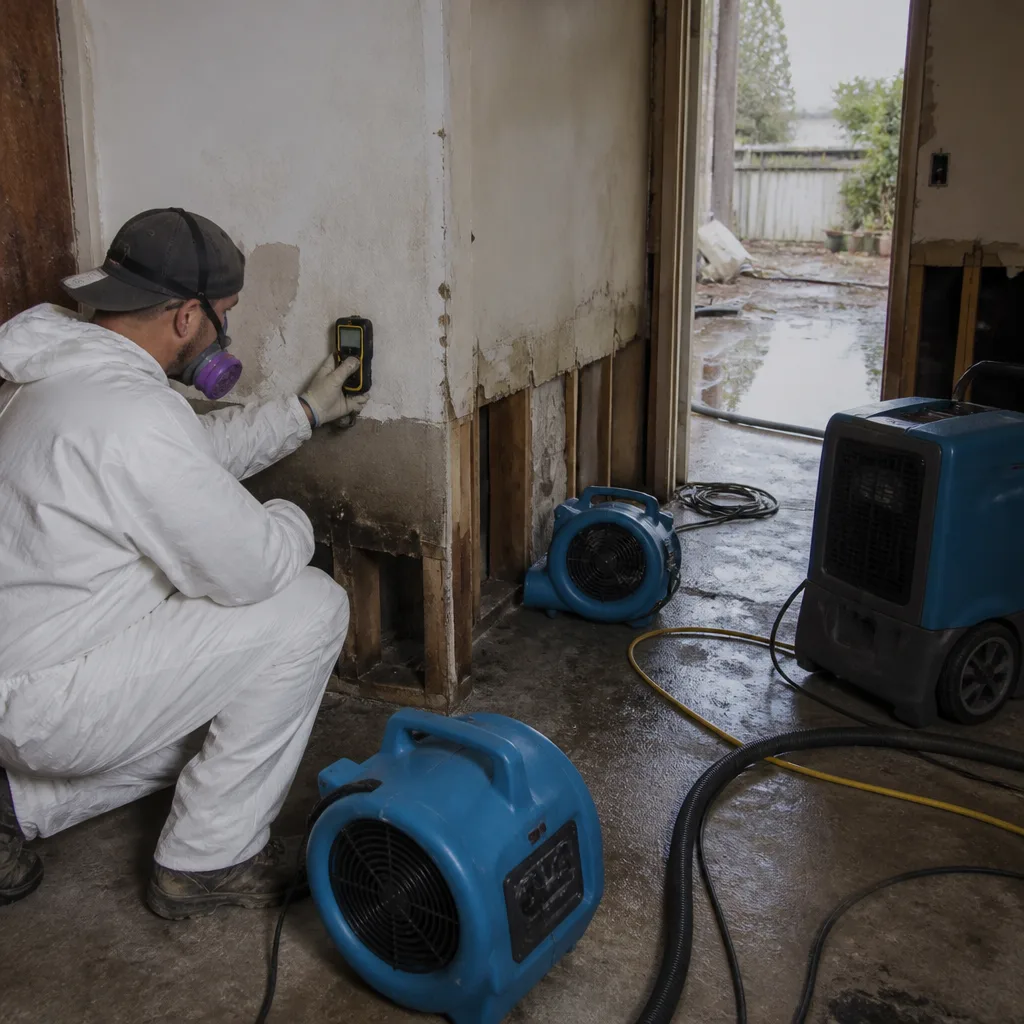 Before
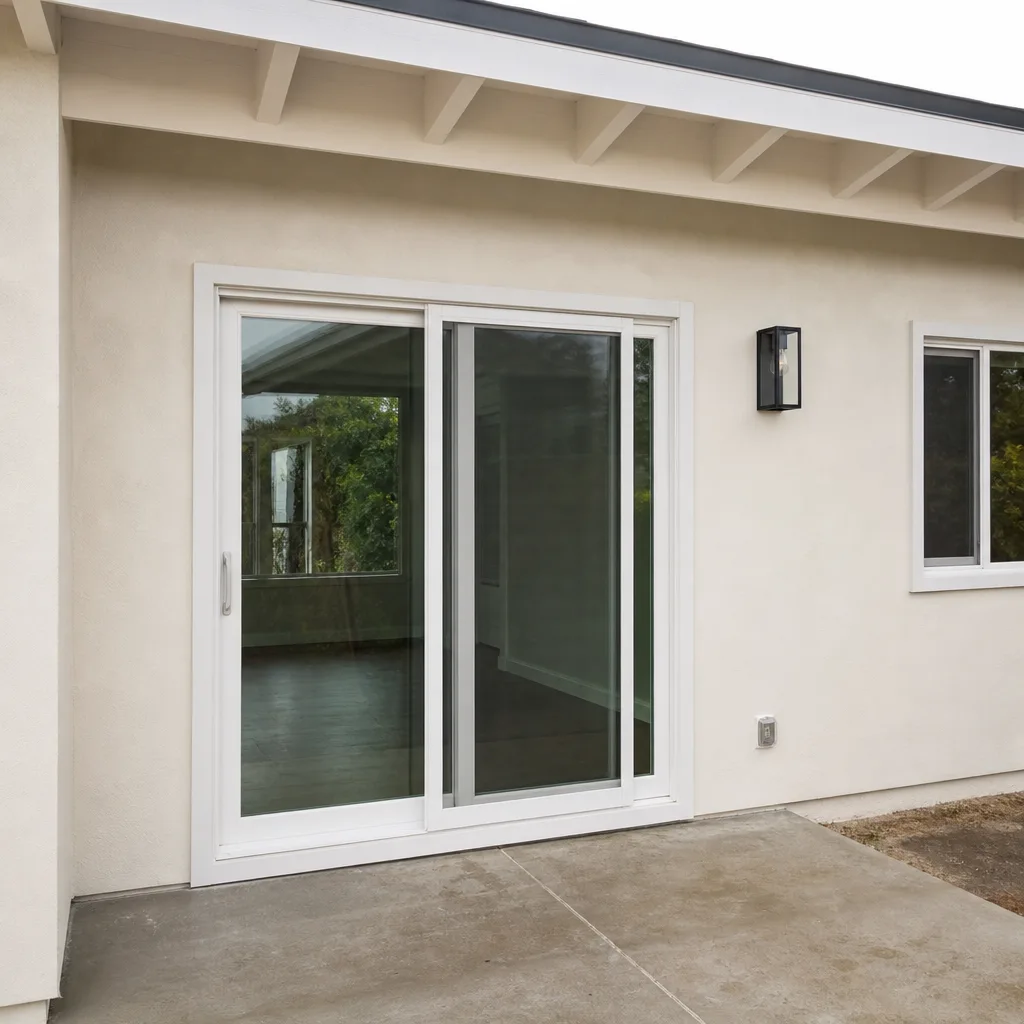 After
After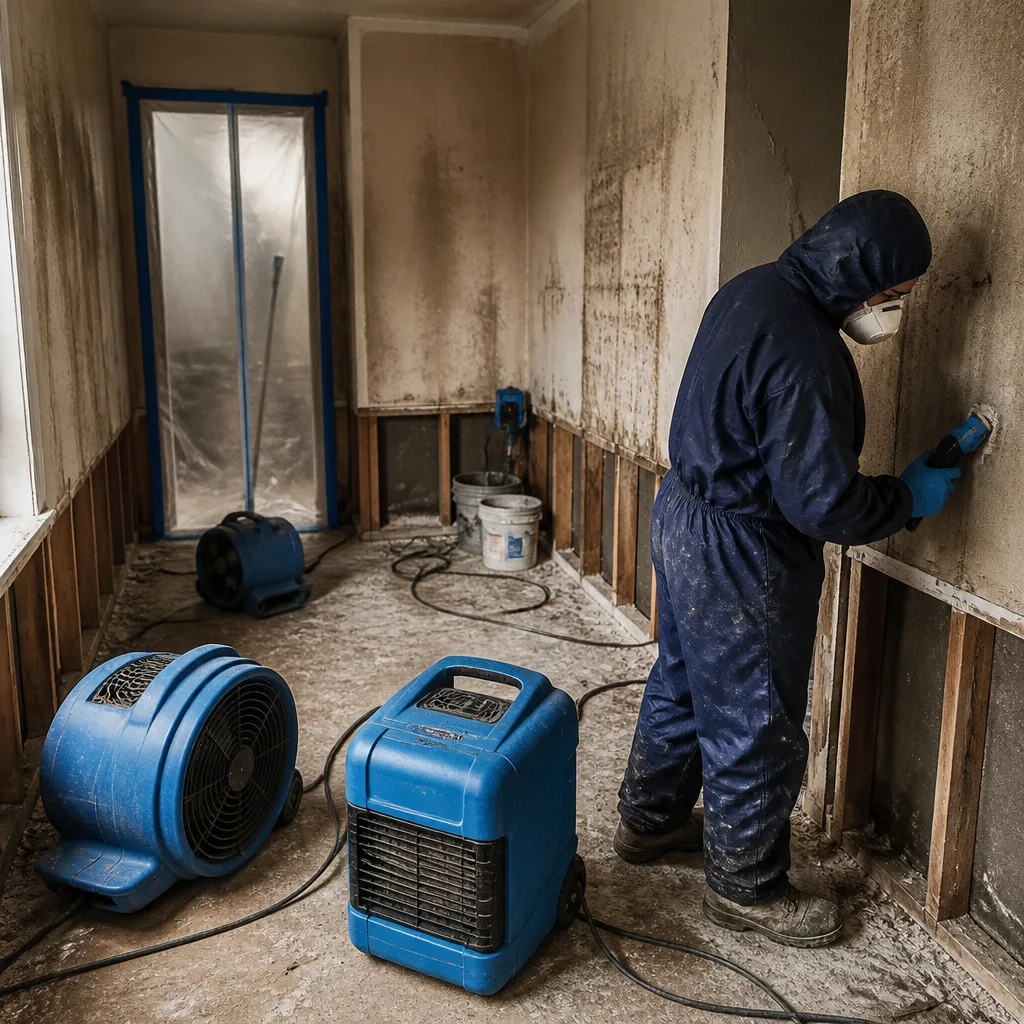 Before
 After
After