
Last updated October 16, 2026
 Water damage drying
 Fire & smoke cleanup
 Mold remediation
 Storm response
 Sewage cleanup
 Reconstruction
Free visual inspection and a written scope of work before any mitigation begins - photos, moisture readings, and drying logs go in your claim file
The scope we write is the scope we bill. Anything new gets shown to you, in writing, before we touch it.
Get your free estimateDamage Restoration Cost Breakdown: The Ventura Homeowner’s Reference for 2026
The average water damage restoration invoice in Ventura ran about $4,200 longer than the original estimate in 2025. That’s not a sign that restoration companies are padding bills. It’s a sign that most homeowners never learned the pricing vocabulary that restoration companies use every day. When a line item says “containment” or “psychrometric monitoring,” you don’t argue with it because you don’t know what it means. This guide changes that. You’ll learn exactly what those words mean, what they cost in Ventura right now, and which questions to ask before the first fan gets plugged in.
Quick Answer
Water damage restoration in Ventura typically costs between $1,800 and $7,500 for most residential jobs in 2026, with the final number driven by water category (clean, gray, or black), square footage affected, and whether structural drying or mold remediation is required. A straightforward Category 1 water extraction with drying equipment on a single room often lands between $1,800 and $3,200, while Category 3 sewage backups requiring demolition and sanitization regularly exceed $6,000. The single most effective way to control final cost is to get a written price guarantee before work starts that itemizes every line item and caps the total without your sign-off on changes.
Restoration work we handle
Table of Contents
- The Three Water Categories and How They Multiply Every Cost
- The 12 Most Common Line Items on a Ventura Restoration Invoice
- Why Ventura’s Labor and Disposal Costs Beat the LA Benchmarks
- The Four Cost Categories That Never Appear in an Estimate
- What a Written Price Guarantee Should Actually Eliminate
- How Ventura’s Coastal Climate Changes Drying Time and Cost
- Common Mistakes to Avoid
The Three Water Categories and How They Multiply Every Cost
Every water damage job gets classified by the source of the water. The classification isn’t bureaucratic. It determines what gets thrown away, what gets sanitized, and what gets sealed off. Category 1 is clean water: a supply line break, an overflowing tub with no contaminants, a pipe burst in a wall. Category 2 is gray water: washing machine discharge, dishwasher overflow, aquarium leaks. Category 3 is black water: sewage, floodwater from outside, toilet backups involving waste.
The category doesn’t just change a single line item. It multiplies every other line item downstream. Here is what that looks like in practice for a 200-square-foot affected area in Ventura:
- Category 1 (clean water): $1,800 to $3,200. Extraction, drying equipment, dehumidification, minor baseboard or drywall removal if saturated. Most materials can be dried in place and kept.
- Category 2 (gray water): $2,800 to $5,500. Adds antimicrobial treatment of affected surfaces, carpet pad replacement in almost every case, and disposal of porous materials that absorbed contaminated water.
- Category 3 (black water): $5,500 to $12,000+. Adds full containment with negative air pressure, removal and disposal of all carpet, pad, drywall below the water line, and any insulation that wicked moisture. Every remaining surface gets disinfected. In Ventura, the cost of hauling contaminated material to an approved disposal site adds 10 to 15 percent over what you would see farther inland.
Here is the point most guides miss: you cannot negotiate category classification. The classification is based on the source of the water and what it could contain, not on what the restoration company feels like charging. What you can negotiate is how aggressively the company treats the margin areas: drywall that might be saved versus drywall that gets cut 24 inches above the water line. Ask for the classification in writing, then ask what the protocol is for determining what gets removed versus what gets dried. A company that cuts 12 inches above the visible water line costs you less than a company that cuts 24 inches by default. Both might be legitimate. Only one is necessarily right for your situation.
Our Water Damage Restoration in Ventura service starts with this exact conversation. We classify the water, explain what the classification means in plain words, and put the affected-area measurements in writing before any equipment comes off the truck.
The 12 Most Common Line Items on a Ventura Restoration Invoice
Restoration invoices use a vocabulary that insurance adjusters know and homeowners do not. That gap is where surprise comes from. Here are the 12 terms that appear on nearly every residential restoration invoice in Ventura, with what they mean and what they should cost in 2026.
- Water Extraction: Physically removing standing water with pumps and extraction units. $250 to $700 for a typical room, more if the water is deep or the space is large.
- Containment: Sealing off the affected area with plastic sheeting and negative air pressure so contaminated air and spores don’t spread to the rest of the house. $300 to $900 per affected room. Required on all Category 3 jobs, often needed on mold jobs.
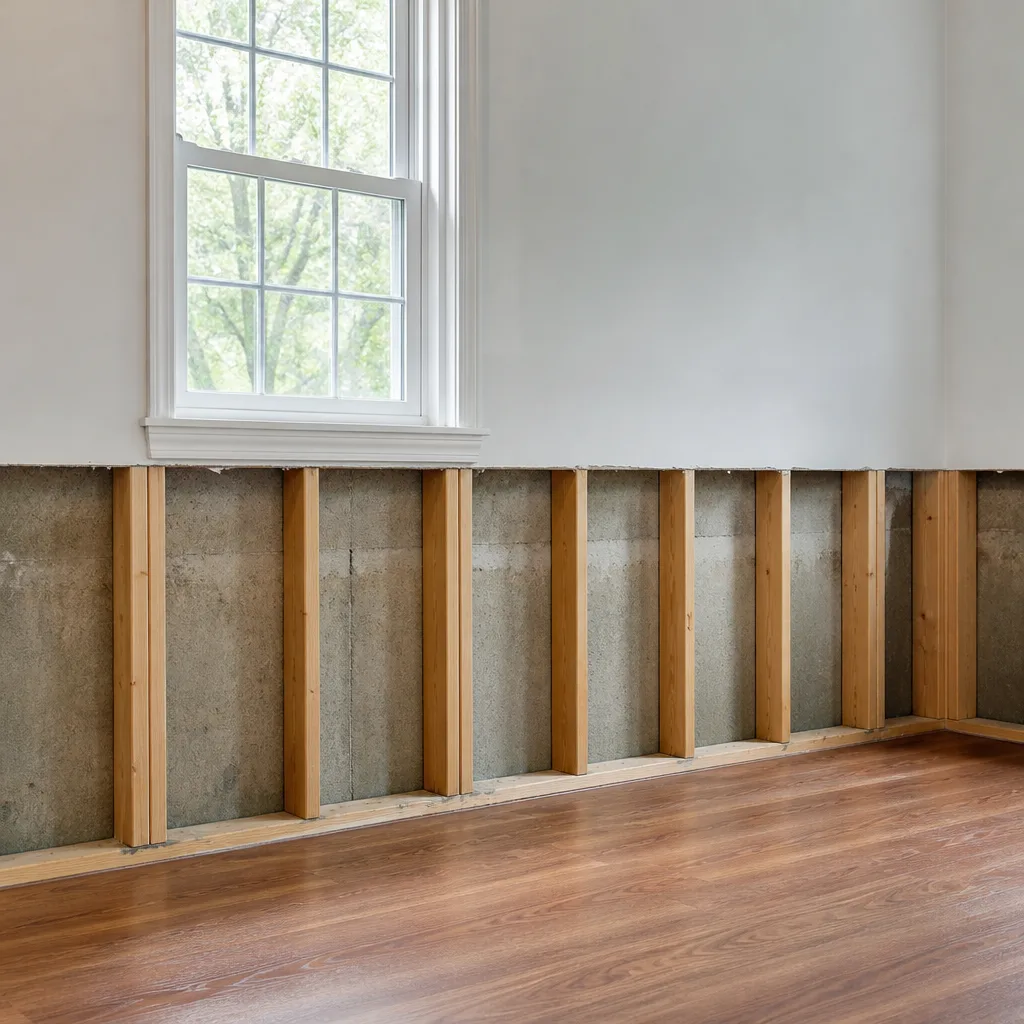
- Demolition: Removing drywall, baseboards, carpet, pad, and insulation that cannot be saved. $3 to $6 per square foot in Ventura. The number climbs if materials contain asbestos or lead and require specialized handling, which is a real issue in Ventura homes built before 1978.
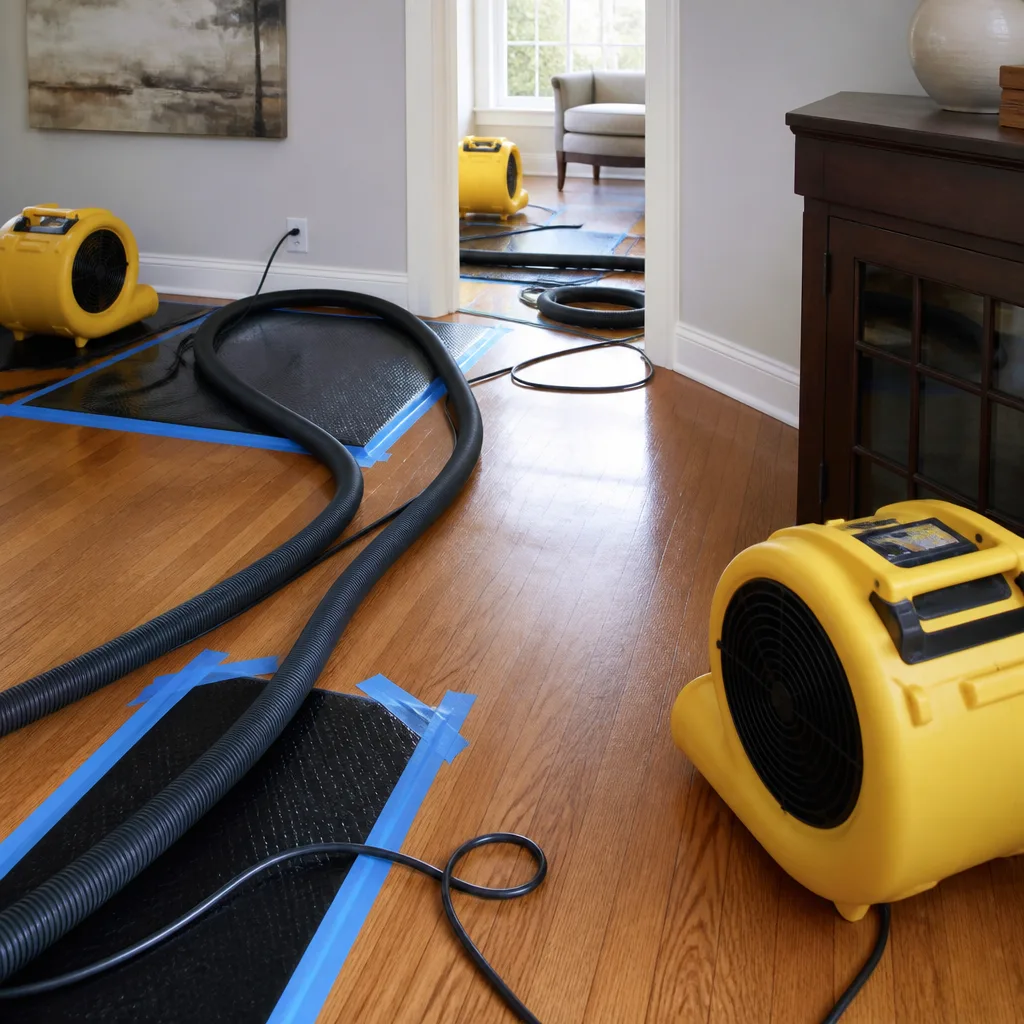
- Structural Drying: Running professional air movers and dehumidifiers for 3 to 7 days to dry framing and subfloor. $150 to $450 per day including equipment and monitoring.
- Psychrometric Monitoring: Taking regular moisture readings of the air and materials to track drying progress. This is how the company knows when the structure is genuinely dry, not just dry on the surface. $35 to $75 per visit, typically two visits over a drying job.
- Dehumidification: Running commercial dehumidifiers to pull moisture from the air and structure. Usually bundled with structural drying but sometimes itemized separately. $100 to $250 per day per unit, and a 200-square-foot room may need two units.
- Antimicrobial Application: Treating surfaces with EPA-registered antimicrobial products to prevent mold growth after water exposure. $200 to $600 per job, more if the affected area is large or the water category is 2 or 3.
- HEPA Vacuuming: Vacuuming affected areas with a high-efficiency particulate air filter to capture mold spores and fine debris. $150 to $400 per job. Standard on any mold remediation, not optional.
- Drywall Removal and Replacement: Cutting out and replacing damaged drywall, including tape, mud, texture match, and paint. $4 to $9 per square foot in Ventura, with texture matching adding $1 to $2 per square foot because matching California knock-down orange peel is a specific skill.
- Baseboard Removal and Replacement: Removing and replacing water-damaged baseboards. $4 to $8 per linear foot including material and painting. More if the baseboards are a custom profile or pre-1970s redwood.
- Mold Remediation: The process of containing, removing, and disposing of mold-affected materials, then cleaning remaining surfaces. $1,500 to $6,000 for a typical residential job. We have a full Mold Remediation in Ventura guide if you need the deep dive.
- Content Pack-Out and Storage: When furniture and personal items need to be removed, cleaned, and stored while restoration happens. $1,000 to $5,000 depending on volume, distance, and whether specialized cleaning (electronics, documents, upholstery) is involved. This is the line item homeowners forget to ask about until it is already happening.
You will not see all 12 on every job. A small Category 1 kitchen leak may use only five or six. A sewage backup may use all of them. What matters is that you see them coming. Ask the company to walk through the invoice before work starts, line by line, in plain English. If the estimator cannot explain a line item in one sentence, that is a warning sign every Ventura homeowner should recognize.
Why Ventura’s Labor and Disposal Costs Beat the LA Benchmarks
Most online cost guides for water damage restoration are calibrated to Los Angeles or Santa Barbara markets. Those cities have higher operating costs, but they also have thicker contractor networks and cheaper waste disposal routes. Ventura is different in two specific ways.
First, labor. Ventura’s restoration labor market is smaller and more specialized than LA’s. There are fewer restoration companies bidding on jobs, which means less downward pricing pressure. Techs driving to Ventura from the Valley on an emergency call are charging drive time at $75 to $125 per hour. A local Ventura crew already inside the city limits avoids that premium. That is one reason our Marsh Water Damage Ventura home operations are positioned here: we are not dispatching from Oxnard or Thousand Oaks when a pipe bursts in Midtown at 2 a.m.
Second, disposal. Ventura County’s construction and demolition waste fees run higher than LA County’s, in part because the county has fewer active landfills and more stringent diversion requirements. When a restoration job involves significant demolition (a sewage backup that requires cutting drywall and hauling carpet), disposal can account for 8 to 15 percent of the total invoice. That is real money, and it is paid per ton at the gate. You cannot negotiate it away, but you can ask the company to itemize disposal as its own line rather than burying it inside “general labor.”
Here is a quick snapshot of how a typical 300-square-foot Category 3 water job compares in cost structure:
- Labor: Ventura $2,800 to $3,400. LA benchmark: $2,200 to $2,800. Ventura runs higher because of lower contractor density and more drive time for out-of-area crews.
- Disposal: Ventura $400 to $700. LA benchmark: $250 to $450. Ventura runs higher because of county landfill fees and longer haul distances to approved facilities.
- Equipment rates: Roughly equal across markets. Dri-Eaz and Phoenix equipment costs the same to rent whether you’re in Ventura or Santa Barbara.
- Permit costs: Ventura generally comparable to Santa Barbara, slightly higher than unincorporated LA County. Most Category 1 and 2 jobs don’t need permits. Some structural repairs do.
The lesson: when you read a national cost guide that says “water damage restoration averages $3,000,” understand that the number was likely pulled from a denser market with cheaper disposal. Ventura homeowners should expect to pay 10 to 20 percent more than the national average on demolition-heavy jobs and roughly the same on simple extraction-and-dry jobs. That is not a markup. That is the local cost of doing business.
The Four Cost Categories That Never Appear in an Initial Estimate
Here is the counterintuitive part. The $4,200 average invoice overage in Ventura in 2025 was not, for the most part, the result of dishonest estimating. It was the result of four cost categories that are genuinely difficult to predict before you tear into a wall. They do not appear in an initial estimate because they cannot be seen until demolition begins. Here is what they are and how to ask about them upfront.
- Asbestos and Lead Abatement: Any Ventura home built before 1978 is likely to have lead paint. Any home built before the mid-1980s may have asbestos in drywall compound, popcorn ceilings, or flooring. If demolition exposes these materials, the job pauses for testing and the abatement cost gets added. In Ventura, asbestos testing runs $150 to $400, and abatement can add $1,500 to $8,000 depending on scope. The honest estimate says: “If we find asbestos or lead during demo, work stops and we revise the scope with you.” The dishonest estimate doesn’t mention it until it’s already on the invoice.
- Hidden Mold Behind Walls: Water travels down and outward. A leak in a second-floor bathroom often expresses as mold behind the kitchen ceiling below. That mold is not visible until the drywall comes off. When it does, the job shifts from water restoration to mold remediation, which is a different scope with different equipment and different line items. Estimated additional cost in Ventura: $1,000 to $4,000, most commonly in the $2,000 range.
- Structural Drying That Lasts Longer Than Expected: Estimate software often assumes ideal conditions: 70 degrees, 50 percent humidity, good airflow. Ventura’s coastal marine layer means actual conditions are often closer to 68 degrees and 72 percent humidity, especially in June and July. Equipment stays in place longer. Each additional day of drying adds $150 to $450. A five-day estimate that becomes a nine-day drying job adds roughly $1,200 to $2,400.
- Content Handling and Cleaning: The initial estimate covers the building materials. It rarely covers what happens to the contents of the room: the sofa that absorbed water, the books on the bottom shelf, the clothes in a closet that wicked moisture through the wall. Content cleaning, drying, and storage adds $500 to $3,000 to a typical job, and it is usually the last line item added because the estimator was looking at the structure, not the room’s contents.
How to handle this in practice: ask the company, before work begins, to put in writing their protocol for each of these four categories. What happens if asbestos is found? What happens if mold is found? What happens if drying runs long? What happens to contents? A company that cannot answer those four questions clearly is a company that will answer them with invoice line items later, which is why our DIY vs Professional Damage Restoration guide recommends getting protocols in writing first. Our protocol at Marsh Water Damage Ventura is to write the contingency language into the estimate itself, so the surprise categories are named before demolition starts, not after.
What a Written Price Guarantee Should Actually Eliminate
A written price guarantee is only as good as the language on the page. “We guarantee our price” means nothing. A real guarantee names what is covered, what is not, and what happens when something falls outside the scope. Here is what to look for.
A genuine written price guarantee in Ventura should eliminate three specific financial exposures. First, it should cap the total cost at the written estimate for all work that was visible and described at the time of the estimate. If the estimator saw a wet wall and wrote a price for drying that wall, the drying of that wall should not cost more than the written number unless the scope changed. Second, it should require your written sign-off before any change order takes effect. No verbal “we found more damage so this is going to be more,” no text message updates with an implied cost increase. Written approval, every time. Third, it should define who pays for the surprise categories. If asbestos is found, you pay the abatement cost, but you should not pay for the demolition time lost while testing happened. If the drying equipment runs three days longer than estimated, the per-day rate should be named in the original agreement, not introduced later.
How do you verify a guarantee is enforceable? Ask for a copy of the guarantee in writing before you sign the work authorization. Read it. If it has no termination clause, no named dollar cap, and no process for change orders, it is a marketing sentence, not a guarantee. On every Marsh Water Damage Ventura job, the written price and the guarantee terms are printed on the work order. The Storm Damage Restoration in Ventura jobs we run follow the same rule, because the principle does not change with the weather.
One more thing about guarantees: the strongest local companies back their work with a time-bound promise. Our 365-Day Done Right Promise covers the repair work for a full year. If the repair is not right within 365 days, we make it right, and the second visit is free. That promise is printed on the work order, not described in a brochure.
How Ventura’s Coastal Climate Changes Drying Time and Cost
Dry is not a feeling. It is a measurement. In restoration, dry is defined numerically, by moisture content readings taken from the air and from the structural materials themselves. The target is usually 10 to 14 percent moisture content in wood, depending on the material and the season. Ventura’s climate makes hitting that target harder than it would be in Bakersfield or Palmdale.
The marine layer is the culprit. From late spring through early fall, Ventura mornings often start at 70 to 80 percent relative humidity. That means the air outside is already wet before it enters the home. Dehumidifiers have to work against a constant influx of moist air every time a door opens, a window is cracked, or the crew walks in and out. The practical effect is that drying times in Ventura run 20 to 30 percent longer than the same job would take in a drier inland market. A job that dries in four days in Santa Clarita often takes six in Ventura. More drying days means more equipment rental, more monitoring visits, and more total cost.
There is a second Ventura-specific factor: older construction near the coast. Many homes on the Ventura Avenue corridor and in Midtown were built in the 1930s through 1960s, before modern vapor barriers and insulation became standard. Those older homes often have plaster walls instead of drywall. Plaster dries more slowly than drywall, and it is more expensive to repair if it needs replacement. Plaster repair in Ventura runs $8 to $14 per square foot, roughly double the drywall rate. When you are pricing a water restoration job on an older Ventura home, do not compare it to a guideline written for a modern tract home.
What this means for cost: when a Ventura company quotes you a longer drying schedule than a national guide suggests, the company is not padding the job. It is responding to local climate conditions. The equipment matters too. Commercial-grade dehumidifiers from Dri-Eaz and Phoenix pull more water per hour than consumer units, which is why they are the standard on professional jobs. Faster drying per day means fewer total days on the job, which means lower total equipment cost even though the daily rate is higher than a hardware store rental.
Common Mistakes to Avoid
- Accepting a per-day drying quote without a cap. A drying job priced at $300 per day with no end date is a blank check. Ask for an estimated number of days and a cap on additional days before the estimate is exceeded.
- Letting the word “emergency” short-circuit the written price. The initial extraction is urgent. The full scope does not need to be agreed to on the spot. A reputable company writes the price before equipment runs, even at 2 a.m. If the crew will not put a number on paper before plugging in a fan, that is a red flag.
- Not asking who shows up at the door. In Ventura, as everywhere, restoration work attracts a mix of established local companies and transient crews chasing disaster work. Ask for the name of the lead technician before the visit. At Marsh Water Damage Ventura, every technician is background-checked and identity-verified under the Threshold Verified standard. You get a name and a photo before the visit, and the tech shows a photo ID badge at the door. That is not a luxury. It is the baseline for opening your home to a stranger.
- Assuming insurance will pay whatever the contractor charges. Insurance pays what the policy says is reasonable, not what the invoice says. If your contractor’s rates run above the insurer’s pricing schedules for the Ventura market, you pay the difference. Ask your adjuster what their pricing basis is before you sign a work authorization.
- Skipping the moisture verification step. Dry to the touch is not dry at 12 percent moisture content. If the company does not take and record moisture readings before pulling equipment, you have no way to know whether the job actually finished. Ask for the final readings in writing.
- Fixing the visible damage without checking the leak path. Water moves down and sideways. A ceiling stain below an upstairs bathroom may have a wall cavity full of water between the two points. A thorough company traces the path, not just the puddle.
Frequently Asked Questions
Most residential water damage restoration jobs in Ventura cost between $1,800 and $7,500 in 2026, with clean-water extractions running $1,800 to $3,200 for a single room and sewage-related Category 3 jobs running $5,500 to $12,000 or more depending on square footage and demolition requirements. The final price depends on the water category, the size of the affected area, the age of the home, and whether mold or structural damage is discovered during the job. Call (559) 242-4307 for a free estimate that itemizes the exact scope for your situation.
Homeowners insurance typically covers sudden and accidental water damage, such as a burst pipe or an overflowing appliance, but it does not cover damage from gradual leaks, unresolved maintenance issues, or floodwater from outside the home unless you carry a separate flood policy. Ventura homeowners with standard HO-3 policies should expect a deductible in the $1,000 to $2,500 range and should verify that their restoration contractor’s rates fall within the insurer’s local pricing schedules. For help with insurance questions, call (559) 242-4307 and we can walk through the claim process with you.
Immediate response matters because standing water starts moving into walls, flooring, and subfloor within hours, and mold can begin developing in 24 to 48 hours under Ventura’s humid marine-layer conditions. A company with local crews can typically arrive within 1 to 2 hours of a call, while a company dispatching from Los Angeles or Santa Barbara may take 2 to 4 hours or longer. Marsh Water Damage Ventura answers calls 24/7 and dispatches from within Ventura, not from a neighboring county. Call (559) 242-4307 and a live person picks up.
Category 1 is clean water from supply lines and faucets, Category 2 is gray water from appliances and showers that may contain biological contaminants, and Category 3 is black water from sewage or outdoor flooding that contains significant biological and chemical hazards. Each category requires different levels of demolition, disposal, and sanitation, which is why Category 3 jobs cost two to three times more than Category 1 jobs of the same square footage. The category is determined by the water’s source and cannot be downgraded by the contractor.
The answer depends on what the water touched and what kind of materials absorbed it. If water sat for more than 48 hours in warm, humid conditions, or if the water category is 2 or 3, professional remediation is almost always necessary; a surface cleaning will leave moisture and microbial growth inside walls and under flooring. In Ventura, our team is trained to take psychrometric readings to determine whether a material is dried in place or needs to be removed, which is a data-based decision, not a judgment call we make because remediation is more profitable. For a straight answer about your situation, call (559) 242-4307.
The restoration company should be able to communicate directly with your adjuster, provide photo documentation of all damage, and justify the recommended scope in terms your insurer recognizes. Marsh Water Damage Ventura provides photo-documented assessments and direct insurance billing support, so you are not left translating between a contractor and an adjuster who speaks two different languages. We resolve scope questions with the adjuster directly and get your approval before any work changes. Call (559) 242-4307 to start the conversation.
See the difference
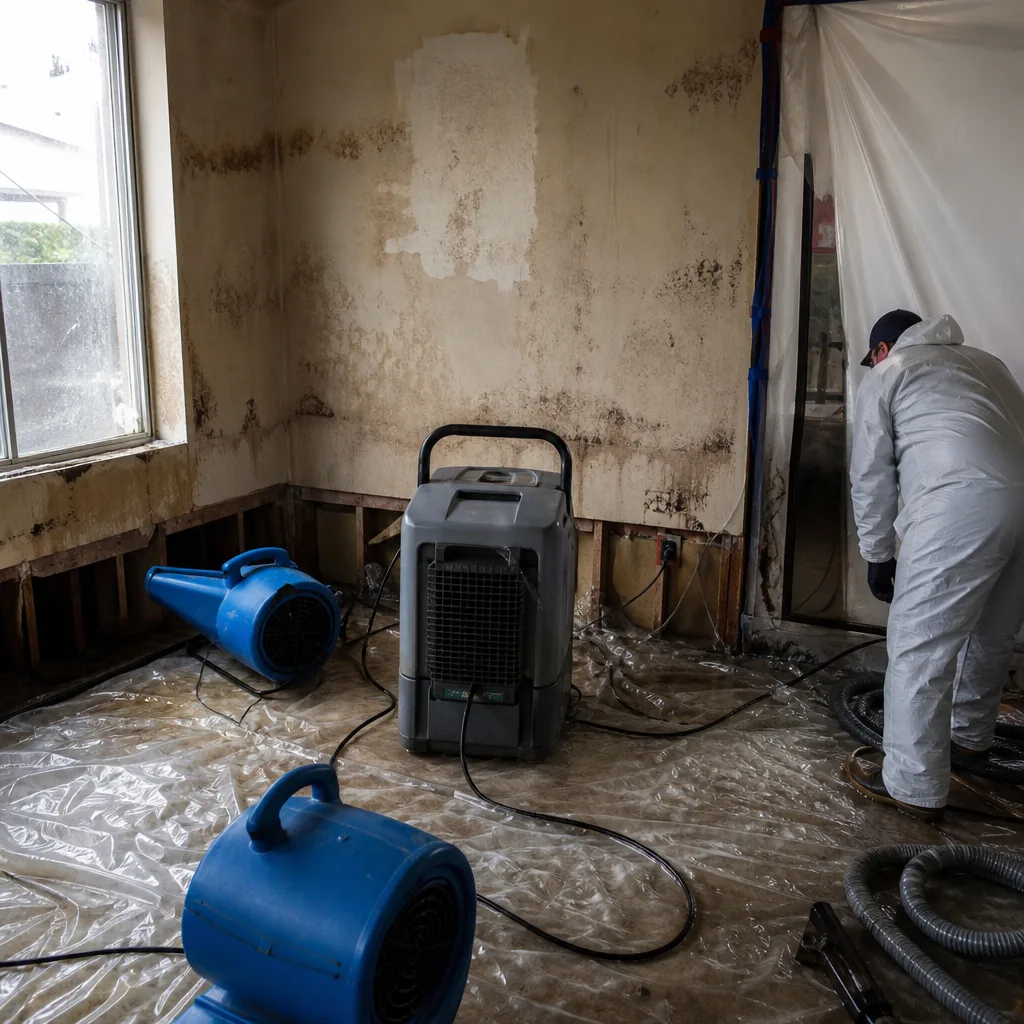 Before
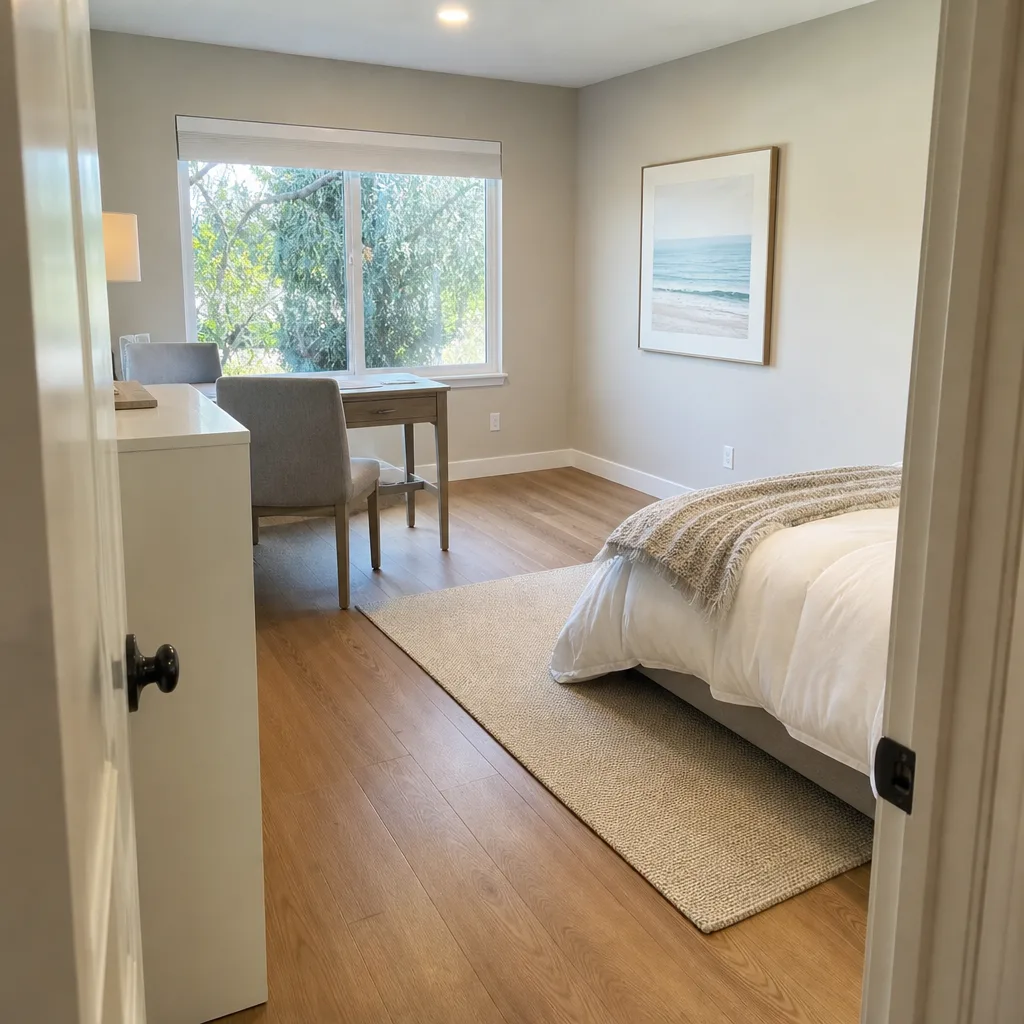 After
After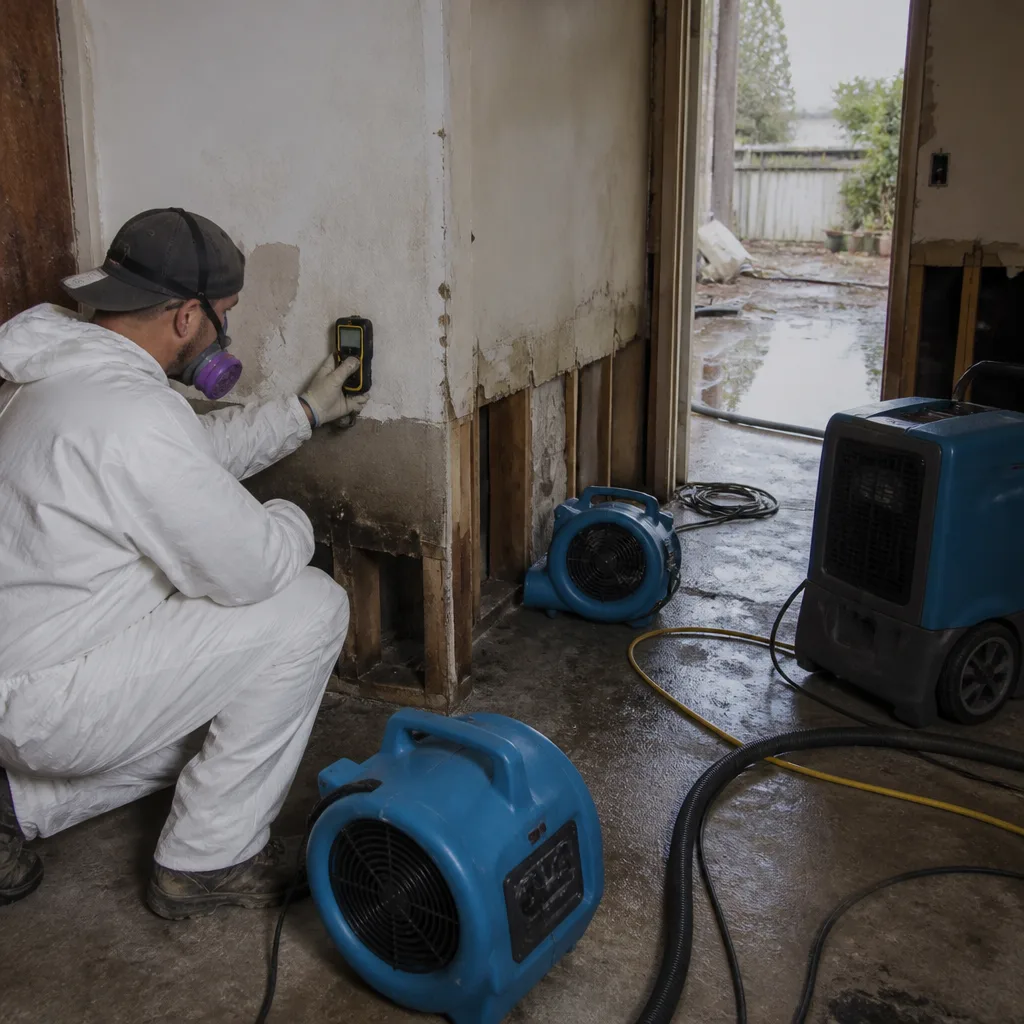 Before
 After
After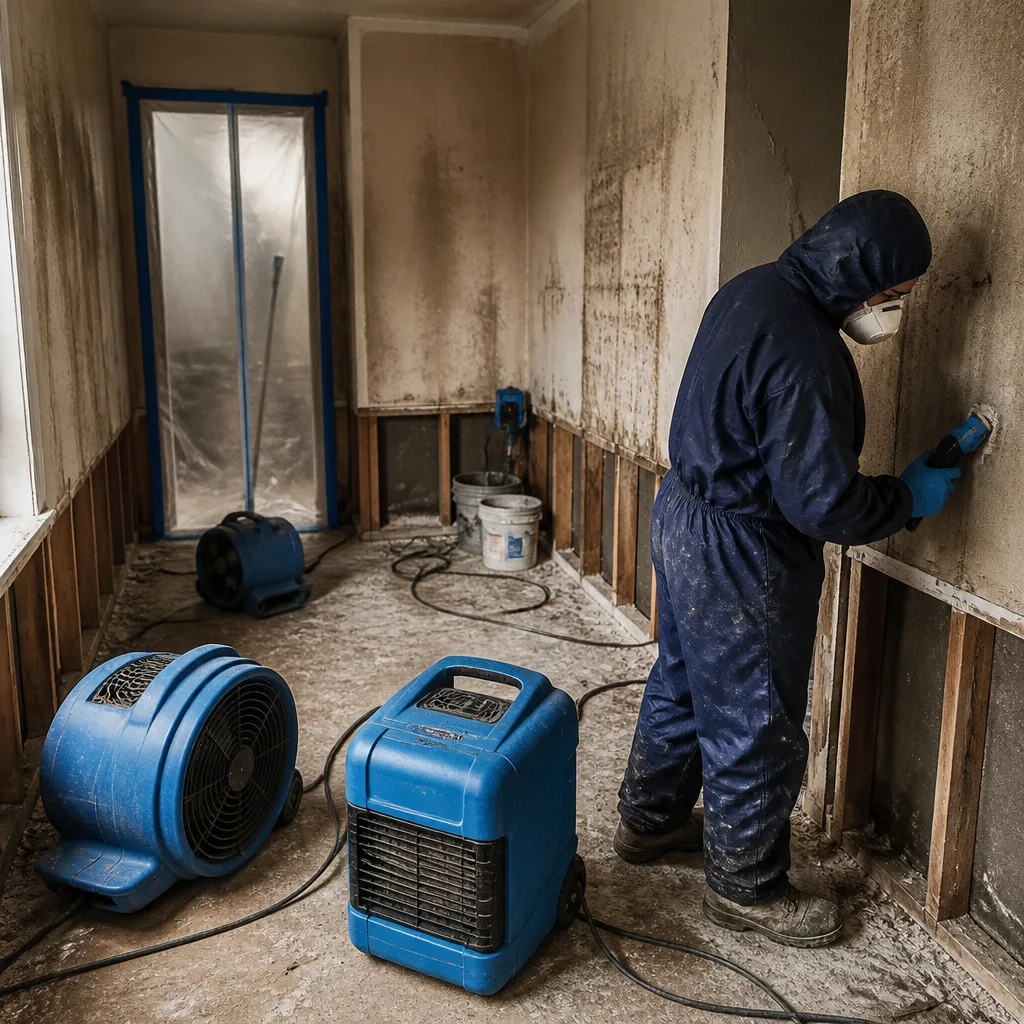 Before
 After
AfterWhen to Call a Professional
Call a professional restoration company the same day you discover the water damage, and call from a cell phone while the water is still being turned off, if you can. Standing water moves fast. Water wicks up drywall at roughly an inch per hour, and a small leak in an upstairs bathroom will be in the kitchen ceiling below by morning. Call a professional if you see water coming through a ceiling, if water has pooled on flooring for more than a couple of hours, if the water came from a toilet or sewage line, if you smell a musty odor that persists after drying, or if any material in the affected area feels damp to the touch. Marsh Water Damage Ventura offers free estimates in Ventura. Call (559) 242-4307 and a live person answers.
The Bottom Line
Restoration bills surprise Ventura homeowners because the industry speaks a language most homeowners have never been taught. Learn the 12 line items, understand the three water categories, ask about the four surprise cost categories before demolition starts, and demand a written price guarantee with named terms. Do those things and the invoice will look like what you agreed to. Skip them and you are gambling. Marsh Water Damage Ventura writes the price before work begins, sends a named and verified technician to your door, and backs every repair with a 365-Day Done Right Promise. That’s the standard your restoration contractor should meet.
Written by Tobias Reyner, Owner at Marsh Water Damage Ventura, serving Ventura since 2005.